
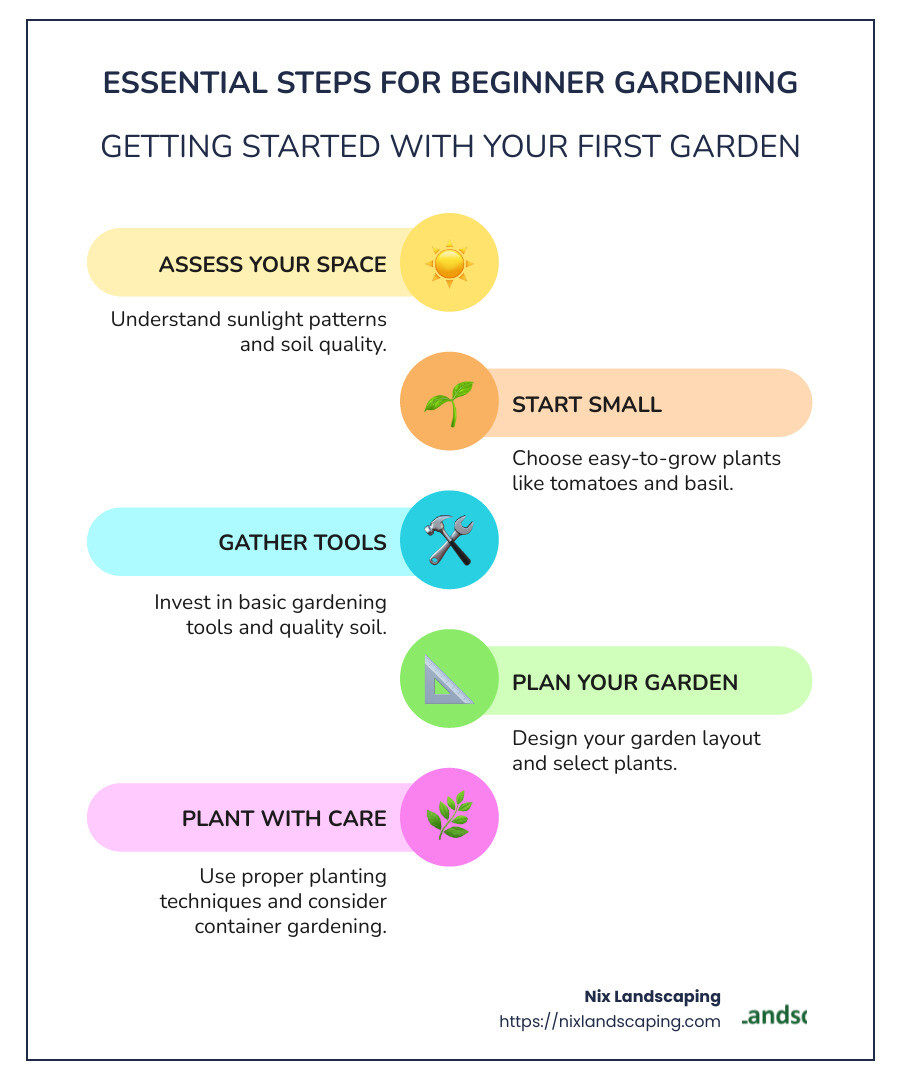
Beginner gardening is your gateway to changing any outdoor space into a vibrant oasis. The keys? A bit of patience, basic know-how, and a handful of reliable plants to get you started. Here are essential steps to jumpstart your gardening journey:
- Assess Your Space: Understand sunlight patterns and soil quality.
- Start Small: Choose easy-to-grow plants like tomatoes and basil.
- Gather Tools: Invest in basic gardening tools and quality soil.
Venturing into beginner gardening opens the door to a rewarding world where you create a space that both refreshs and reflects your personal aesthetics. Imagine stepping out to a sanctuary of color and life you’ve nurtured from scratch. This journey not only improves your surroundings but also enriches day-to-day moments with nature’s beauty.
I’m Kyle Nix, owner of Nix Landscaping, with a profound appreciation for outdoor changes and expertise in helping beginners find their green thumb. Let’s explore the nuances of gardening, from hands-on tips to creating a personalized garden that echoes both charm and function.
Simple guide to beginner gardening terms:
– yard cleaning tips
– yard maintenance ideas
Getting to Know Your Garden
Before you start planting, it’s crucial to understand your garden’s unique environment. This step ensures that your efforts bear fruit, literally and figuratively. Let’s break it down into three key areas: garden assessment, soil type, and sun exposure.
Garden Assessment
Start by taking a good look around your space. What’s its size and shape? Are there existing plants or structures? This initial assessment helps you plan effectively. Think of it as laying the groundwork for a successful garden.
Tip: Walk through your garden at different times of the day to observe changes in light and shade. This will help you decide where to place sun-loving or shade-tolerant plants.
Soil Type
Soil is the bedrock of gardening. Knowing your soil type is essential in beginner gardening. Here’s a simple way to test it:
- Grab a handful of soil and squeeze it.
- If it crumbles easily, you have sandy soil, which drains quickly but doesn’t hold nutrients well.
- If it forms a sticky ball, it’s clay soil, which retains water but can suffocate roots.
- If it holds its shape but crumbles when poked, congratulations—you have loamy soil, ideal for most plants.
For beginners, loamy soil is often the best starting point. If your soil isn’t ideal, don’t worry. You can amend it with organic matter like compost to improve its structure and nutrient content.
Sun Exposure
Sunlight is a plant’s best friend. Different plants need different amounts of light, so knowing your garden’s sun exposure is key.
- Full Sun: 6+ hours of direct sunlight. Perfect for sun-loving plants like tomatoes and sunflowers.
- Partial Sun/Partial Shade: 4-6 hours of direct sunlight. Suitable for plants like ferns and hostas.
- Full Shade: Less than 4 hours of direct sunlight. Ideal for shade-tolerant plants like impatiens and begonias.
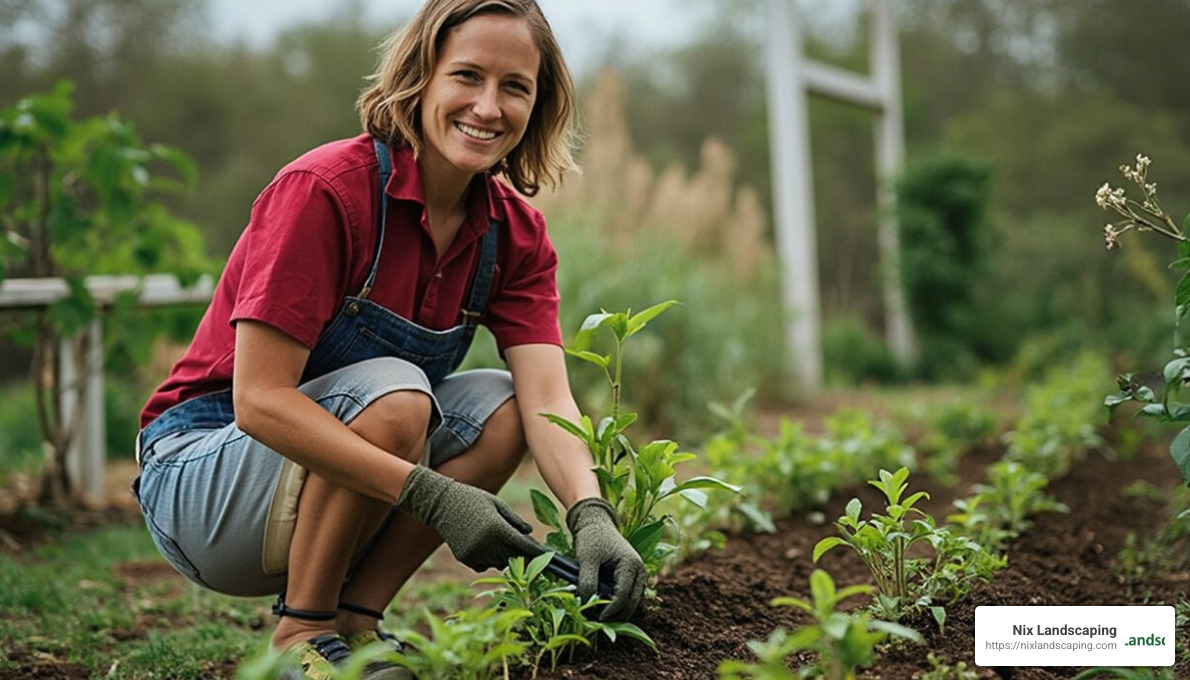
Pro Tip: Use a sun calculator or an app to track sunlight in your garden. This can help you make informed decisions about plant placement.
Understanding these elements will set the stage for a thriving garden. With this knowledge, you can move confidently into planning your garden design and plant selection.
Planning Your Garden
Once you’ve assessed your garden’s environment, it’s time to dive into planning. Garden design is all about creating a space that is both beautiful and functional. As a beginner, focus on simplicity and practicality.
Garden Design
Start by sketching a rough layout of your garden. Think of it as a blueprint for where everything will go. Divide your garden into zones based on activities or plant types: a vegetable patch, a flower bed, or a seating area.
Tip: Keep paths wide enough for easy navigation and consider accessibility for all family members.
Plant Selection
Choosing the right plants is crucial for success in beginner gardening. Opt for easy-to-grow varieties that match your garden’s soil type and sun exposure.
- Vegetables: Tomatoes and basil are great for beginners. They’re forgiving and yield delicious rewards.
- Flowers: Marigolds and zinnias add vibrant color and are easy to grow.
- Herbs: Start with mint or parsley. They’re hardy and useful in the kitchen.
Color and Structure
A well-designed garden isn’t just about plants—it’s also about color and structure. Use a mix of textures and heights to add visual interest.
- Color: Choose a color palette that complements your home. Warm tones like reds and oranges create a cozy feel, while blues and purples offer a calming effect.
- Structure: Incorporate elements like trellises or garden arches to add height and dimension.
Pro Tip: Use perennials for a low-maintenance garden. They return each year, saving you time and effort.
By thoughtfully planning your garden, you’ll create a space that’s not only productive but also a joy to spend time in. Next, we’ll explore the essential tools and materials you’ll need to bring your garden plans to life.
Beginner Gardening: Essential Tools and Materials
Starting your gardening journey can be exciting, but having the right tools and materials is key to success. Let’s break down the essentials you’ll need for beginner gardening.
Basic Tools
Every gardener, newbie or seasoned, needs a few fundamental tools. Here’s what you should have in your shed:
- Trowel: Perfect for planting and digging small holes. Look for one with a comfortable grip.
- Pruners: Handy for trimming plants and cutting back dead growth.
- Garden Fork: Useful for loosening soil and removing weeds.
- Watering Can or Hose: Ensure your plants get the right amount of water. A can with a detachable rose is versatile for different watering needs.
- Rake: Essential for clearing debris and leveling soil.
Tip: Invest in quality tools with durable materials. They’ll last longer and make gardening more enjoyable.
Soil Types
Understanding soil is crucial. It’s the foundation of your garden. There are three main types:
- Clay Soil: Heavy and holds water well but can be hard to work with.
- Sandy Soil: Drains quickly but may need more frequent watering.
- Loamy Soil: Ideal for most plants. It’s a balanced mix of clay, sand, and organic matter.
For beginners, loamy soil is often recommended due to its excellent drainage and nutrient content. You can improve your soil by adding organic matter like compost.
Organic Mulch
Mulch is your garden’s best friend. It keeps soil moist, suppresses weeds, and adds nutrients as it breaks down.
- Types: Bark chips, straw, and shredded leaves are popular choices.
- Application: Spread a 2-3 inch layer around your plants, but avoid piling it against stems to prevent rot.
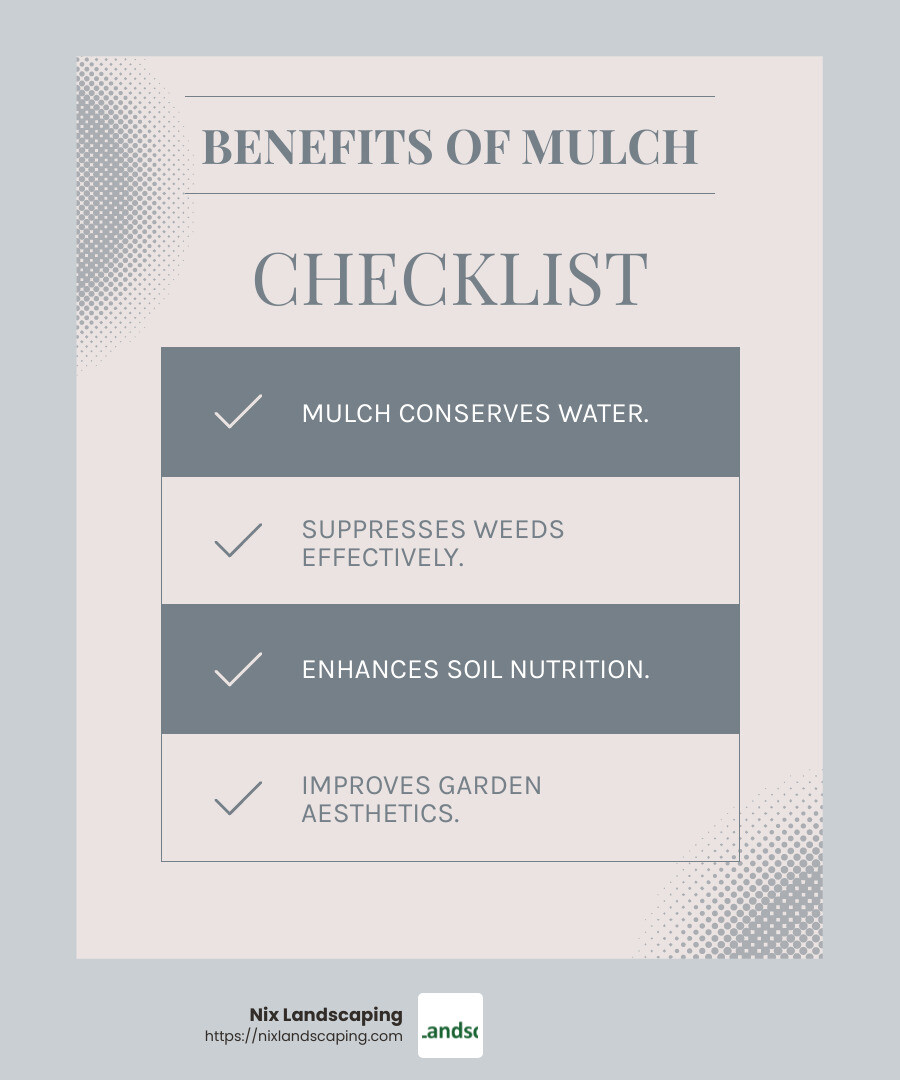
Pro Tip: Mulch not only conserves water but also makes your garden look tidy and well-maintained.
By equipping yourself with these essential tools and materials, you’ll set the stage for a thriving garden. Next, we’ll dig into planting basics, perfect for beginners eager to see their seeds sprout.
Planting Basics for Beginners
Planting is where the magic begins. With the right approach, even those new to gardening can watch their green dreams come to life. Let’s explore some beginner gardening essentials: seed starting, planting techniques, and container gardening.
Seed Starting
Starting from seeds can be a rewarding experience. It allows you to grow a wider variety of plants and is often more cost-effective than buying seedlings.
Choose the Right Seeds: For beginners, start with easy-to-grow plants like tomatoes, basil, or marigolds. These plants are forgiving and can thrive in various conditions.
Get the Timing Right: Check the seed packet for the best planting time. Many seeds need to be started indoors before the last frost date.
Supplies You’ll Need: Use seed trays or small pots filled with a good-quality seed-starting mix. Keep them in a warm area with plenty of light.
Water Wisely: Water gently to avoid washing away seeds. Keep the soil moist but not waterlogged.
Tip: A clear plastic cover over the seed tray can help retain moisture and warmth, acting like a mini-greenhouse.
Planting Techniques
Proper planting techniques ensure your plants have the best start possible.
Prepare the Soil: Remove weeds and add compost to enrich the soil. This provides nutrients and improves drainage.
Correct Depth: Follow the planting depth instructions on the seed packet or plant label. Planting too deep or too shallow can hinder growth.
Space Wisely: Give plants enough room to grow. Overcrowding can lead to poor air circulation and disease.
Pro Tip: Gently firm the soil around the plant to eliminate air pockets, which can dry out roots.
Container Gardening
Container gardening is perfect for those with limited space or wanting to add greenery to patios and balconies.
Choose the Right Container: Ensure it has drainage holes to prevent waterlogging. Pots made of terracotta, plastic, or wood are popular choices.
Select the Right Soil: Use a high-quality potting mix, which is lighter and drains better than garden soil.
Consider Plant Needs: Group plants with similar water and light needs. For example, succulents prefer dry conditions, while herbs like basil need more moisture.
Regular Care: Container plants may need more frequent watering and feeding, as nutrients can wash away with water.
Fun Fact: Container gardening allows for creativity. Mix and match plants of different colors and textures for a beautiful display.
By mastering these planting basics, you’ll be well on your way to a thriving garden, even as a beginner. Next, we’ll cover how to maintain your garden to keep it healthy and vibrant.
Maintaining Your Garden
Once your garden is planted, the next step is keeping it healthy and thriving. Understanding the basics of watering and feeding, pest control, and composting will help you maintain a flourishing garden.
Watering and Feeding
Watering your garden is crucial, but it’s important to do it right.
Watering Tips: Water deeply but infrequently. This encourages roots to grow deeper and makes plants more drought-resistant. Early morning is the best time to water to reduce evaporation and fungal diseases.
Feeding Your Plants: Use a balanced fertilizer to provide essential nutrients. Organic options like compost or fish emulsion can be great for beginners. Follow the instructions on the package to avoid over-fertilizing, which can harm plants.
Quick Tip: A layer of mulch can help retain soil moisture and reduce the need for frequent watering.
Pest Control
Pests can be a gardener’s nightmare, but there are natural ways to keep them at bay.
Identify Common Pests: Learn to recognize common garden pests like aphids, slugs, and snails. Early detection is key to managing them effectively.
Natural Solutions: Encourage beneficial insects like ladybugs, which prey on pests. Companion planting, such as marigolds near vegetables, can also deter pests naturally.
DIY Remedies: A simple soap spray can help control aphid populations without harming your plants. Mix a few drops of dish soap with water and spray on affected areas.
Pro Tip: Regularly inspect your plants for signs of pests or disease. Catching problems early can prevent them from spreading.
Composting
Composting is a fantastic way to recycle garden and kitchen waste into nutrient-rich soil.
Getting Started: Begin with a simple compost bin or pile. Add a mix of “greens” (like vegetable scraps) and “browns” (like dried leaves) to achieve the right balance.
Turning and Aerating: Turn your compost pile regularly to speed up decomposition and prevent odors. This also helps distribute moisture evenly.
Using Compost: Once it’s ready, use compost to enrich your garden soil, improving its structure and nutrient content.
Fun Fact: Composting not only benefits your garden but also reduces waste and helps the environment!
By mastering these maintenance basics, you’ll ensure your garden remains a healthy and vibrant space. Next, let’s address some frequently asked questions about beginner gardening.
Frequently Asked Questions about Beginner Gardening
What is the best starter garden?
Starting a garden can be simple and rewarding with the right choices. For beginner gardening, focus on easy-to-grow plants. These are forgiving and require minimal care, making them perfect for novices.
Tomatoes: These are a staple in many gardens due to their versatility and ease of growth. They thrive in sunny spots and can be grown in containers or directly in the ground.
Basil: This herb is another excellent choice. It’s not only easy to grow but also a great companion plant for tomatoes, helping to deter pests.
Pro Tip: Mixing in flowers like marigolds can add color and help deter pests naturally.
What is the best gardening book for beginners?
Finding the right resources can make a big difference in your gardening journey. Here are a couple of highly recommended books that cater to beginners:
Vegetable Garden Planner: This book is packed with practical tips and strategies for planning and organizing your vegetable garden. It helps you understand what to plant and when, making it easier to achieve a bountiful harvest.
Creative Vegetable Gardener: Perfect for those looking to add a touch of creativity to their gardens. This book offers innovative ideas for garden design and plant combinations, making gardening more fun and engaging.
Quick Tip: Books that include detailed planting guides and common troubleshooting tips can be particularly helpful for beginners.
What is the best soil for a beginner gardener?
Soil is the foundation of any garden. For beginners, choosing the right type is crucial for plant health and growth.
Well-Draining Soil: This type of soil prevents water from pooling around plant roots, reducing the risk of root rot. It’s particularly important for container gardening.
Loamy Soil: Known for its balanced texture, loamy soil is a mix of sand, silt, and clay. It’s ideal for most plants as it retains moisture while allowing excess water to drain away.
Fun Fact: You can improve your soil by adding organic matter like compost, which improves its structure and nutrient content.
By starting with these basics, you’ll set a strong foundation for your gardening journey. Now that you have a grasp on the essentials, you’re ready to explore beginner gardening with confidence.
Conclusion
As you start on your beginner gardening journey, the key to a thriving garden is not just in the plants you choose, but in the care and creativity you bring to your space. At Nix Landscaping, we understand that every garden is unique, just like every gardener. That’s why we emphasize personalized maintenance and creative solutions custom to your specific needs and lifestyle.
Whether you’re nurturing a small container garden on your patio or planning a larger vegetable patch, our team in Fishers, IN, is here to support you. We manage every aspect of your landscaping project, ensuring a smooth and stress-free experience. Our experts bring innovative ideas to help transform your outdoor space into a beautiful and functional oasis.
Gardening is a journey, not a destination. Enjoy the process, learn from each season, and don’t hesitate to reach out for guidance. With the right support and a bit of patience, you’ll soon be reaping the rewards of your efforts.
For more personalized design and maintenance solutions, explore our services and let us help bring your vision to life. Your dream garden is just a call away!

