
Fall garden clean up is the secret to ensuring a thriving and beautiful outdoor space through winter and into spring. As the seasons change, it’s crucial to adjust our garden care routines to prepare for the colder months. Here are the essential tasks:
- Cut back early blooming perennials and plants you don’t want self-seeding.
- Clean up vegetable gardens by harvesting remaining produce.
- Mulch to insulate plant roots.
- Check for pest infestations and store garden hoses indoors.
- Fertilize lawns and consider soil amendments for optimal root growth.
Welcome to Nix Landscaping! I’m Kyle Nix, owner of Nix Landscaping in Fishers, IN. With experience in designing functional landscapes, I understand the importance of fall garden clean up in maintaining your garden’s health and appearance throughout the year. Let’s explore these tasks to make sure your garden is prepped for the months ahead.

Essential Fall Garden Clean-Up Tasks
When it comes to fall garden clean up, focusing on key areas ensures your garden remains healthy and vibrant through the colder months. Let’s break down the essential tasks for different parts of your garden:
Vegetable Garden
- Harvest Remaining Produce: Before the frost hits, gather any remaining vegetables. Some can ripen indoors on a sunny windowsill.
- Remove Spent Plants: Clear out old plant material to prevent disease and pests from overwintering.
- Add Compost or Manure: Enrich the soil by incorporating well-rotted compost or manure. This boosts soil health for next spring.
Perennials
- Cut Back Early Bloomers: Trim early blooming perennials like peonies and irises. This prevents unwanted self-seeding.
- Leave Some Standing: Certain perennials, like rudbeckias, can be left for winter interest and to provide habitat for beneficial insects.
Annuals
- Remove Dead Plants: Clear out annuals that have finished their life cycle to tidy up beds and reduce disease risk.
- Consider Cool-Season Annuals: Plant hardy varieties like pansies and ornamental cabbage for fall color.
Trees and Shrubs
- Avoid Fall Pruning: Pruning in fall can stimulate new growth that may not survive the winter. Wait until late winter or early spring.
- Protect Young Trees: Wrap the trunks to shield them from rodents and winter damage.
Lawns
- Final Mow: Mow your lawn one last time, keeping grass at about 3 inches high to prevent stress.
- Rake Leaves: Instead of removing all leaves, mulch them to provide nutrients and protect roots.
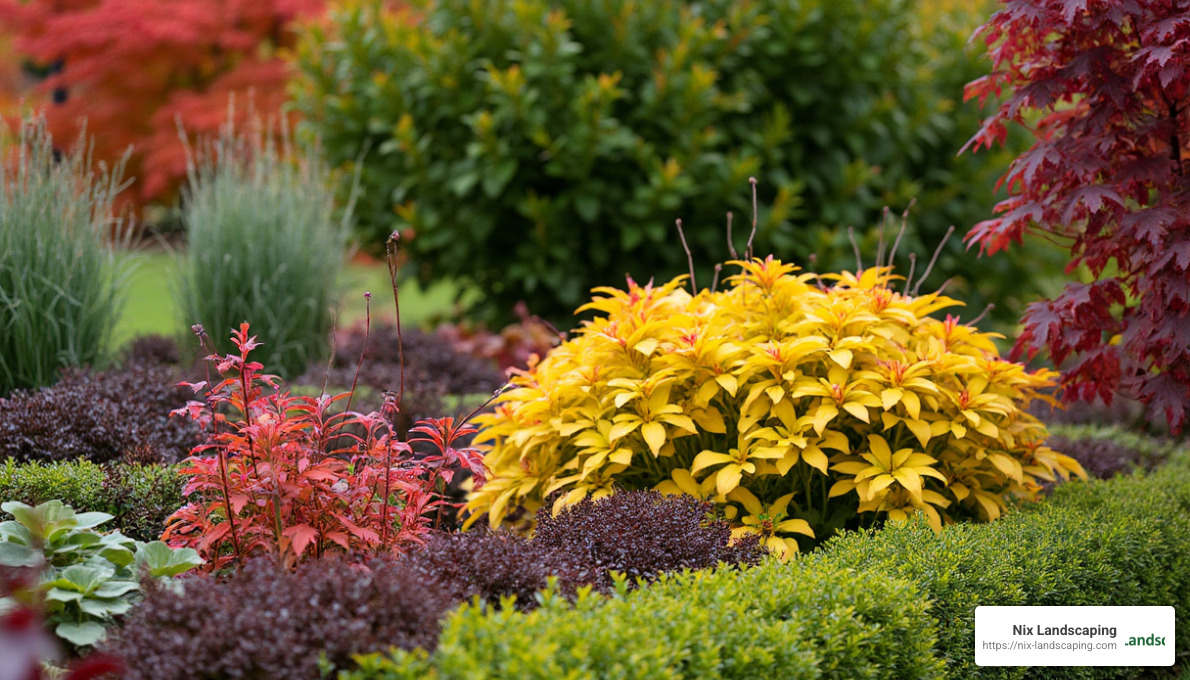
By tackling these essential tasks, you can ensure your garden is well-prepared for winter. Keeping up with fall garden clean up not only protects your plants but also sets the stage for a beautiful garden come spring.
Next, let’s explore the case for a messier cleanup and its environmental benefits.
The Case for a Messier Cleanup
When it comes to fall garden clean up, embracing a messier approach might just be the best thing you can do for your garden and the environment. Let’s explore why a little mess can be a big win.
Leaf Litter: Nature’s Blanket
Instead of raking away every last leaf, consider letting them lie. Leaf litter acts as a natural blanket, insulating the soil and providing essential nutrients as it breaks down. This organic layer also offers crucial protection for the soil and plant roots during the harsh winter months.
Beneficial Insects: Hidden Helpers
Many beneficial insects, like ground-nesting bees and caterpillars, find refuge in the leaf litter. These insects are vital for pollination and pest control. By leaving some leaves, you’re not just saving time; you’re nurturing a thriving ecosystem right in your backyard.

Habitat Preservation: A Winter Haven
Old plant stalks and dead wood provide shelter for a variety of wildlife. Birds, small mammals, and even some insects use these natural structures to hide from predators and harsh weather. Leaving snags (standing dead trees) and brush piles can create a safe haven for these creatures.
Environmental Impact: Less is More
A cleaner garden might be visually appealing, but it often comes at the expense of biodiversity. Removing all debris can disrupt the food web, affecting everything from insects to birds. By allowing a bit of natural chaos, you help maintain a balanced ecosystem.
In summary, a messier garden isn’t just about less work for you—it’s about more support for nature. Embracing this approach can lead to a healthier, more vibrant garden come spring.
Next, let’s look at best practices for fall garden clean-up to improve soil health and prepare for the next growing season.
Fall Garden Clean-Up: Best Practices
When it comes to fall garden clean up, following best practices can make a big difference in preparing your garden for winter and ensuring a strong start in spring. Let’s explore some key practices.
Soil Amendment: Boosting Nutrients
Fall is an excellent time to amend your soil. After you’ve harvested your vegetables and tidied up your beds, consider adding organic matter like compost or well-rotted manure. This enriches the soil, enhancing its structure and fertility. According to experts, incorporating these amendments in the fall allows them to break down over winter, providing a nutrient-rich base for spring planting.
Mulching: Nature’s Insulator
Mulching is more than just a way to make your garden look tidy. A thick layer of mulch acts as an insulating blanket, protecting plant roots from freezing temperatures. It also helps retain soil moisture and suppress weeds. Use materials like shredded leaves, straw, or wood chips for effective mulching. Remember, mulch should be applied after the first hard frost to ensure it stays in place throughout winter.
Watering: A Final Hydration
Before the ground freezes, give your garden a good watering. This is especially important for evergreens and newly planted trees and shrubs. Proper hydration helps plants withstand winter’s drying winds. However, avoid overwatering, as soggy soil can lead to root rot. Your goal is to provide enough moisture to sustain plants through the colder months.
Tool Maintenance: Ready for Next Season
Don’t forget your garden tools! Clean, sharpen, and oil your tools before storing them for winter. This prevents rust and ensures they are ready to go when spring arrives. Drain hoses and store them indoors to prevent cracking. A little maintenance now can save time and money later.
By following these best practices, you’ll not only protect your garden through winter but also set the stage for a flourishing garden next year.
Next, let’s address some common questions about fall garden clean-up to clear up any lingering doubts.
Frequently Asked Questions about Fall Garden Clean-Up
When should I start my fall garden clean-up?
Begin your fall garden clean up as soon as the growing season starts winding down. Typically, this is around the start of fall when the weather begins to cool. Pay attention to the first frost date in your area, as this is a good indicator to start preparing your garden for winter. In Fishers, IN, this usually happens in mid to late October. Starting early helps you manage tasks without feeling rushed.
Should I remove all leaves from my garden?
Not at all! While it might be tempting to clear every leaf, leaving some can be beneficial. Leaf litter provides a natural mulch that insulates plant roots and enriches the soil as it decomposes. This creates a habitat for beneficial insects and helps preserve the environment. Just be sure to remove leaves from your lawn to prevent damage to the grass.
Is it necessary to fertilize in the fall?
Yes, fertilizing in the fall is beneficial, especially for your lawn. Even though plants enter a state of dormancy, their roots continue to grow. Applying fertilizer in late October or early November can promote root growth and prepare your plants for a healthy start in spring. Use a balanced fertilizer to ensure your garden gets the nutrients it needs during the colder months.
By addressing these questions, you can approach your fall garden clean up with confidence, knowing you’re making informed decisions for a thriving garden.
Conclusion
At Nix Landscaping, we believe that a well-tended garden is more than just a pretty space—it’s a reflection of your personality and a sanctuary for local wildlife. Our approach to fall garden clean up is rooted in personalized design and client-focused solutions. We understand that every garden is unique, just like the people who care for them.
Personalized Design: Our team takes the time to understand your specific needs and preferences. Whether you’re looking to maintain a tidy landscape or accept a “messier” garden that supports local biodiversity, we tailor our services to fit your vision. We integrate a mix of perennials, annuals, shrubs, and trees to ensure year-round interest and sustainability.
Client-Focused Solutions: At Nix Landscaping, your satisfaction is our priority. We offer creative solutions that balance aesthetics with ecological benefits. By using native plants and sustainable practices, we help you create an outdoor space that is both beautiful and environmentally friendly.
For those in Fishers, IN, and surrounding areas, we invite you to explore our comprehensive landscaping services. Let us help you transform your garden into a vibrant, thriving space that you can enjoy throughout the seasons. Whether you need assistance with design, maintenance, or seasonal clean-ups, we’re here to make your gardening experience as seamless as possible.
A thoughtful approach to fall garden clean up not only prepares your garden for winter but also sets the stage for a flourishing spring. Let’s nurture nature together!

