
The Ultimate Guide to Fishers IN Mulch Installation
Fishers IN mulch installation can dramatically boost your home’s curb appeal, benefit soil health, and protect your plants year-round. If you’re looking for a quick summary, here it is:
- Benefits: Retains moisture, blocks weeds, regulates soil temperature, controls erosion, and improves property aesthetics.
- When to Install: Ideally in spring for freshness or fall for winter protection.
- Types Common in Fishers: Hardwood, dyed (black, red, brown), cedar, playground-certified.
- Replacement Schedule: Refresh annually due to decomposition of organic mulch.
I’m Kyle Nix, owner of Nix Landscaping in Fishers, IN, with years of experience changing properties through expert landscaping, hardscapes, and particularly Fishers IN mulch installation. I’ve helped hundreds of local homeowners seamlessly improve their outdoor spaces through properly installed mulch.

Quick Fishers IN mulch installation definitions:
– Fishers IN hedge trimming
– Fishers IN lawn mowing
Why Mulch Installation in Fishers, IN is Essential
When you’re looking out at your landscape in Fishers, IN, you might be thinking mulch is just about making things look pretty—and don’t get me wrong, it absolutely does! But mulch installation, especially here in Fishers, goes way beyond good looks. It’s actually one of the most beneficial things you can do for your landscape, plants, and even your peace of mind.
One of the biggest perks of Fishers IN mulch installation is moisture retention. If you’ve lived around here for a while, you know our weather can swing from pouring rain to stretches of drought without much notice. A proper mulch layer—usually around 2-3 inches deep—can cut water evaporation from the soil by up to 70%. That means fewer runs with the garden hose, healthier plants during dry spells, and fewer panic moments when the weather forecast suddenly shows “no rain” for days on end.
Another reason homeowners love mulch? Fewer weeds. Yep, mulch is your garden bed’s best friend when it comes to weed suppression. By placing a consistent mulch layer over your beds, you’re essentially creating a natural barrier that makes it hard for weed seeds to germinate. That translates to way less crouching, pulling, and spraying herbicides—freeing you up to spend more time enjoying your yard instead of fighting with it.
Here’s a neat bonus: mulch doesn’t just sit around looking good; it actively helps regulate soil temperatures. Fishers is known for its hot summers and chilly winters. Mulch acts like a cozy blanket in colder months to keep soil warmer, and in the blazing summer heat, it keeps roots comfortably cool. This insulation is a lifesaver for newly planted shrubs, perennials, and less hardy plants.
And speaking of our local weather, let’s talk about erosion control. Fishers sees its share of heavy rainfall, especially in spring and early summer. Mulch is great at absorbing rainwater, slowing runoff, and keeping your valuable topsoil exactly where it belongs—in your garden beds. Without mulch, you risk losing topsoil and having unsightly erosion trenches appear after every storm.
Of course, we’d be overlooking something important if we didn’t mention curb appeal. There’s something incredibly satisfying about seeing your landscape neatly refreshed with mulch. It instantly lifts the look of your property, giving it a clean, polished appearance. At Fishers Indiana Landscaping, we’ve had countless clients amazed by how a simple mulch refresh can dramatically transform their home’s visual appeal.
Take a look at this image to see exactly what I mean—here’s a before-and-after from right here in Fishers:

The Climate Considerations for Fishers, IN Mulch
If you’re going to mulch, you’ve got to think local. Fishers’ climate has its unique quirks, and considering them in mulch installation makes a huge difference.
First off, we deal with freeze-thaw cycles every winter. One minute it’s freezing cold, then suddenly we’re thawing out—repeat all winter long. These temperature swings cause soil to expand and contract, which can damage sensitive plant roots. Thankfully, mulch is great at buffering these changes, protecting your plants year-round.
Rainfall is another big factor. Fishers gets about 42 inches of rain annually, most heavily in the spring. That means your mulch needs to be good at draining excess water while retaining enough moisture to carry your plants through the hot summer months.
Speaking of summer heat—Fishers has been experiencing more frequent drought periods in recent years. That makes moisture retention even more crucial. Mulches like hardwood do a fantastic job of holding water and protecting your plants when things dry out.
Finally, Fishers soils often have heavy clay content, which can make them compacted and difficult for plant roots. Organic mulches, as they break down over time, naturally enrich and loosen the soil, improving its overall structure and helping your plants thrive.
At Nix Landscaping, we factor in all these local climate details when we recommend and install mulch for our Fishers clients. This ensures the best long-term results and less stress for homeowners.
Environmental Benefits of Proper Mulching
The benefits of Fishers IN mulch installation extend beyond just your yard—it’s also a smart choice for the environment.
Let’s start with water conservation. Mulch significantly cuts down on water evaporation from your soil. With a typical quarter-acre yard, proper mulching can conserve thousands of gallons of water each year. That’s good for your wallet and fantastic for the planet.
Mulching also means fewer chemicals. Remember those pesky weeds? With fewer of them growing, you won’t need to depend as heavily on chemical weed killers. Plus, organic mulch naturally decomposes, releasing nutrients back into your soil. Over time, this can reduce your need for synthetic fertilizers, creating a healthier environment overall.
Speaking of soil enrichment, mulch decomposition mimics nature’s way of recycling nutrients—like when leaves fall in a forest and break down. This process boosts microbial activity, improves soil structure, and leaves you with richer, healthier soil that’s great for your plants.
One benefit you might not think about at first: mulch creates habitats for beneficial garden friends like ground beetles and spiders. These small creatures help manage other insects naturally, reducing pests and helping keep your garden balanced. Mulched areas also encourage earthworms and other beneficial organisms, making your garden beds even healthier.
At Commercial and Residential Lawn Care, we’re passionate about helping Fishers homeowners make landscaping choices that are good for their property and the environment. After all, a healthy landscape is part of a healthier planet, and mulch is one of the simplest ways to get there.
Choosing the Right Mulch for Your Fishers Property
Selecting the right mulch is one of the most important steps for successful Fishers IN mulch installation. Mulch isn’t just about good looks—it also impacts soil health, plant well-being, and even how much maintenance your landscape needs. Let’s explore the different mulch options available in Fishers and figure out which one is perfect for your property.
Hardwood mulch is the local favorite in Fishers, and for good reason. Made from local deciduous trees, it’s both budget-friendly (usually around $25-35 per cubic yard for premium varieties) and blends beautifully with just about any landscaping style. Hardwood mulch gradually breaks down, adding nutrients and organic matter back into the soil. It’s a win-win choice—looks great, works hard, and improves your garden soil year after year.
If you have acid-loving plants like azaleas or rhododendrons, pine bark mulch might be your best friend. It’s naturally more acidic, decomposes slower than hardwood, and offers fantastic moisture retention. Its distinctive texture also makes it perfect for formal garden beds where you want to showcase certain feature plants.
Looking for natural pest protection? Cedar mulch is your go-to. It has natural oils that help repel insects like termites and certain ants. Plus, it comes with a lovely, fresh aroma and an attractive reddish-brown color. Cedar mulch typically costs a bit more than hardwood options, but its added benefits often make it worth the extra investment.
Dyed mulch options are another popular choice for Fishers homeowners who want vibrant color and lasting appeal. Available in shades like black, red, and brown, dyed mulch can really make your landscaping pop. Black mulch is especially eye-catching, creating a stunning contrast with bright flowers and green foliage. Red mulch adds warmth and works beautifully with plants featuring golden, bronze, or orange tones. Brown dyed mulch provides a happy medium—polished, yet natural-looking, and easy to pair with diverse planting schemes. Just be sure to choose products with non-toxic dyes that are safe for pets, kids, and the environment.
Speaking of safety, if you have a play area for the kiddos, playground certified mulch is specifically designed to provide soft cushioning and reduce injuries from falls. It’s carefully processed and screened to remove sharp pieces or contaminants, ensuring little knees and elbows stay safe.
Want to feel good about your environmental impact? Recycled mulch, made from reclaimed wood products, is gaining popularity among eco-conscious residents. If you opt for recycled mulch, just make sure you buy from reputable suppliers who guarantee proper screening and quality control.
At Fishers Indiana Mulch, we offer all these choices and love helping local homeowners find the mulch that perfectly fits their needs, budget, and landscape style.
Organic vs. Inorganic Mulch Options
When it comes to mulch, one big decision you’ll face is choosing between organic and inorganic options. And no, we’re not talking about “organic” like pricey kale at the grocery store. We’re talking mulch made from plant-based materials versus mulch made from rocks, rubber, and other non-decomposing materials.
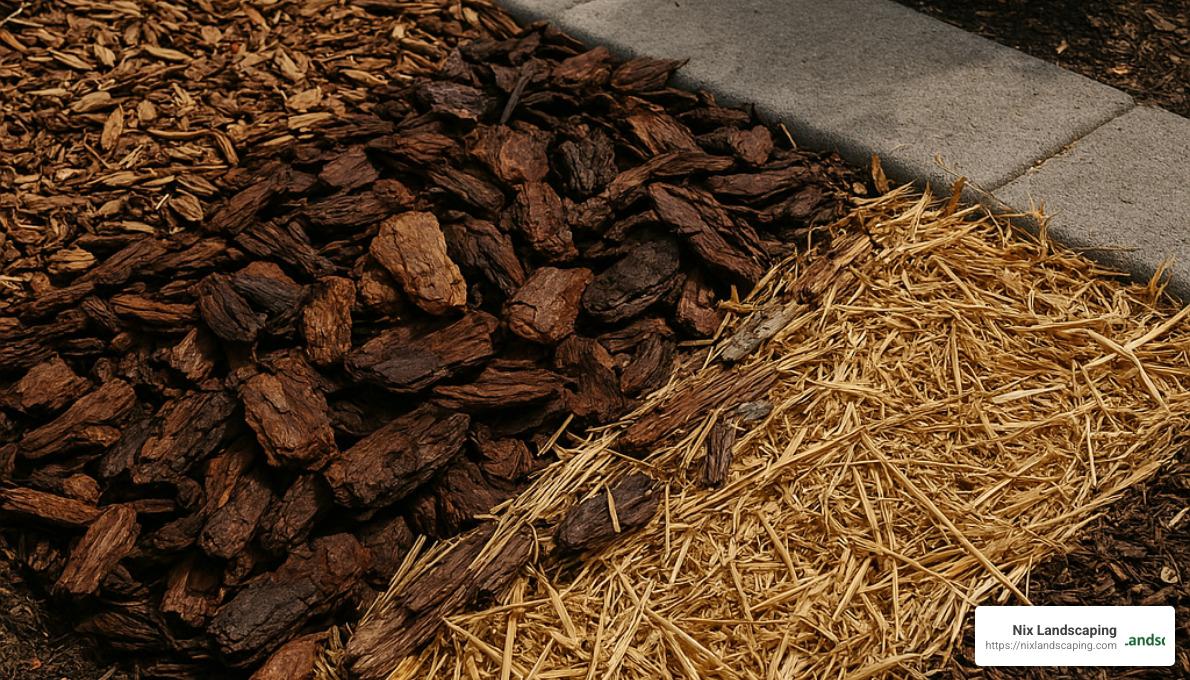
Organic mulches—think hardwood, pine bark, cedar, leaves, or compost—break down over time. While you might think it’s a bad thing that organic mulch eventually disappears, it’s actually fantastic news for your plants. As organic mulch decomposes, it slowly enriches your soil with nutrients, feeding plants naturally and reducing your need for fertilizers. Plus, organic mulch helps improve your soil structure, especially important in Fishers where heavy-clay soil is common.
But there’s a trade-off: organic mulch needs a bit more maintenance. You’ll typically need to refresh it each year due to natural decomposition, with a complete replacement every two to three years. On the bright side, organic mulches encourage beneficial insects and soil organisms, promoting an overall healthy garden environment.
Inorganic mulches, like river rocks, decorative stones, rubber mulch, or landscape fabric, have the advantage of longevity. They won’t break down or need frequent replacing, making them suitable for areas where you want to “set it and forget it.” They’re particularly practical in rock gardens, pathways, or areas where organic mulch might attract unwanted pests.
The downside? Inorganic mulches don’t add nutrients to your soil or improve soil structure. They can even cause soil compaction or heat buildup in some situations. So, we usually recommend organic mulches for most of our Fishers customers who want healthier gardens and improved soil.
Color Considerations for Landscape Design
Choosing mulch color is honestly one of the more exciting parts of landscaping. Think of mulch as the frame around your plants—it improves and highlights your landscape design, creating a big visual impact.
Natural brown mulch, the most common choice, is easygoing and versatile. It fits seamlessly into any landscape style and complements colorful flowers and lush greenery. As natural brown mulch ages, it fades gracefully to a muted silver-gray that blends beautifully into naturalistic gardens.
Ready to go bold? Black dyed mulch creates serious drama, especially when paired with vibrant flowers or bright foliage. It’s striking in contemporary landscapes and formal gardens. One cool tip: black mulch warms up quickly in spring, helping your plants wake up after our cold Indiana winters. Just remember, it might also absorb more heat in summer, so you’ll want to keep an eye on watering needs.
Red dyed mulch makes an equally bold statement. It’s warm, inviting, and pairs perfectly with plants that feature golden, amber, or bronze tones. It’s especially popular around Fishers in commercial landscapes or homes with a southwestern or warm-toned exterior.
If you’re looking for something in the middle, russet brown dyed mulch strikes a balance—rich and polished, but not too bold. It gives your landscape a neat, finished look without overpowering your plants.
When choosing mulch color, consider your home’s exterior colors and the type of plants you’ll feature. Use color theory as a simple guide: colors opposite each other on the color wheel create eye-catching contrasts. Want to make purple flowers stand out? Pair them with red mulch. Yellow blooms look fantastic against darker, black or deep brown mulch.
At Landscape Design Fishers IN, we always keep your home’s personality in mind. We’ll help you choose mulch colors that lift your property—making it look cohesive, inviting, and uniquely yours.
Professional Mulch Installation Process in Fishers
When it comes to Fishers IN mulch installation, there’s much more to it than just dumping bags of mulch and spreading them around. At Nix Landscaping, we follow a detailed process that ensures your landscape doesn’t just look good today—it thrives all season long.
Before a single piece of mulch touches your soil, we start with thorough bed preparation. This means getting down on our knees and removing those stubborn weeds completely—roots and all. Whenever possible, we prefer hand-weeding rather than reaching for chemical herbicides, especially in established beds where your favorite plants might suffer from chemical exposure.
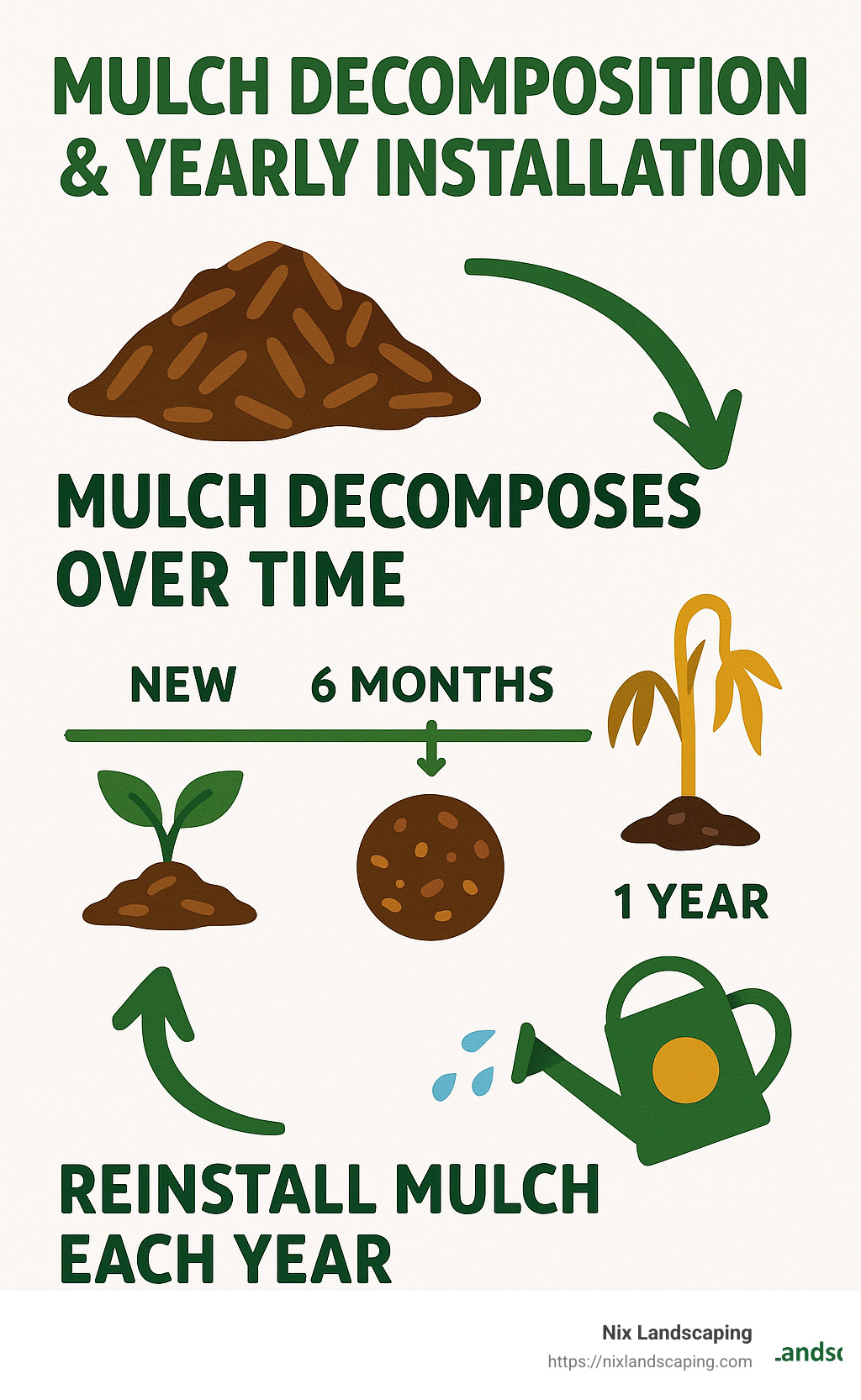
Creating clean, crisp edges makes all the difference in a professional installation. We typically use a sharp spade to cut a neat V-shaped trench about 2-3 inches deep around your beds. This natural edging provides a beautiful boundary between your mulched areas and lawn. For homeowners looking for something more formal or permanent, we’re happy to discuss installed edging options like steel, aluminum, or concrete borders that provide years of definition.
Getting the depth right is something we’re particularly careful about. Here in Fishers’ climate, we’ve found that a 2-3 inch layer works best for most situations. This gives you optimal weed suppression and helps retain moisture without risking root suffocation or creating a fungal playground. Around tree trunks and delicate plant stems, we always taper the mulch down to prevent rot and discourage pests from making themselves at home.
We also pay close attention to what’s already there. If your beds have years of built-up mulch layers (a common situation we see), we’ll remove the excess rather than just piling on more. This prevents those infamous “mulch volcanoes” around trees that can damage bark and invite disease.
For new landscape beds, we often take the opportunity to work in some soil amendments during preparation. This extra step ensures both your plants and mulch will perform at their best throughout the seasons.
Step-by-Step Mulch Installation Guide
If you’re curious about exactly how we approach Fishers IN mulch installation, here’s our proven step-by-step process:
We always start with a thorough site assessment, walking your property to understand its unique characteristics. We note existing plants, check soil conditions, observe drainage patterns, and identify any trouble spots that might need special attention.
Next comes bed cleaning, where we remove all the debris that’s accumulated—fallen leaves, broken twigs, and excessive old mulch that might be building up. We carefully extract existing weeds, making sure to get the entire root system so they don’t make a quick comeback.
Creating clean edges is our third step. Whether we’re cutting a fresh natural edge with a spade or installing more permanent edging materials, this definition makes an enormous difference in the final appearance of your landscape.
Before laying down fresh mulch, we consider whether a weed barrier might be beneficial. While landscape fabric works well in some situations (especially new beds), we’re thoughtful about this approach. In many cases, fabric can actually create more problems than it solves over time by preventing natural soil improvement.
The mulch application itself is where attention to detail really matters. We carefully apply your selected mulch at the proper 2-3 inch depth, ensuring even coverage throughout your beds. We’re always careful to keep mulch several inches away from plant stems and tree trunks—a small detail that prevents big problems with rot and pests down the road.
We finish with the details that make all the difference—light raking for a smooth, even appearance and thorough cleanup of all adjacent surfaces. Your driveways, walkways, and lawn areas will be spotless when we leave.
For larger properties, we typically work section by section, completing each area fully before moving to the next. This organized approach ensures consistent quality throughout your entire landscape.
Tools and Equipment Needed for Proper Installation
Whether you’re considering DIY mulching or hiring professionals, it helps to understand what tools make for a successful Fishers IN mulch installation. Here’s how the equipment requirements compare:
| Tool/Equipment | DIY Requirements | Professional Installation |
|---|---|---|
| Wheelbarrow | 1-2 basic wheelbarrows | Multiple heavy-duty wheelbarrows |
| Rake | Garden rake and leaf rake | Commercial-grade rakes, including special mulch rakes |
| Shovel | Garden shovel | Various specialized shovels for different tasks |
| Gloves | Basic gardening gloves | Heavy-duty, puncture-resistant gloves |
| Edging Tools | Manual edger | Power edgers, spades, and specialized edging equipment |
| Measuring Tape | Basic tape measure | Professional measuring devices |
| Transportation | Pickup truck for small jobs | Delivery trucks, specialized mulch trailers |
| Spreading Tools | Hand tools | Commercial spreaders for efficient, even application |
| Protective Gear | Basic eye protection | Full safety gear including eye, ear, and breathing protection |
| Weed Removal | Hand tools | Professional weed removal tools and techniques |
If you’re taking the DIY route, you’ll need to figure out how to get the mulch to your home. Most suppliers in Fishers offer delivery, but typically require a minimum order and charge a delivery fee. For smaller projects, picking up mulch in your own vehicle might save some money (though your car’s interior might never be the same!).
When you hire Nix Landscaping, you’re not just getting access to our professional-grade equipment—you’re benefiting from our trained crews who know how to use these tools efficiently. We’ve developed techniques that protect your existing plants while ensuring even, effective mulch application.
One of the biggest advantages of professional installation is our experience in calculating exactly how much mulch you’ll need. This reduces waste and eliminates that frustrating moment when you realize you’re going to run short before the job is done. This expertise is particularly valuable for larger properties or landscapes with complex bed designs.
At the end of the day, proper Fishers IN mulch installation is about more than just the right tools—it’s about knowing how to use them effectively to create a landscape that not only looks beautiful today but continues to thrive throughout the seasons.
Mulch Maintenance and Seasonal Care
Taking care of your mulch isn’t complicated, but it makes a big difference in how your landscape looks and grows. With the seasonal changes we experience here in Fishers, mulch maintenance helps your garden beds stay healthy and beautiful all year long.
When spring finally arrives (usually late March to early April for us Fishers folks), it’s time to give your mulch a gentle refresher. Winter weather can leave mulch compacted or uneven, so start by lightly raking through your mulch beds to loosen things up. Redistribute any mulch that’s moved around from snow, ice, or runoff, and add a fresh layer if it looks too thin. You’re aiming for about two to three inches of mulch depth for optimal protection.
Spring is also a great time to double-check that mulch isn’t piled high against your tree trunks or plant stems. Pull it back a few inches to let your plants breathe and prevent any rot or pest issues from popping up.
As summer winds down and fall colors start showing (typically in October or early November here), you’ll want to do a bit more mulch maintenance to prepare your Fishers landscape for the chilly months ahead. Clear out fallen leaves from your mulch beds—thick layers of wet leaves can form mats and lead to fungus growth. Add extra mulch if needed to insulate your plants’ roots and protect them from our freeze-thaw cycles in winter. And if curb appeal matters to you (it certainly matters to your neighbors!), adding a fresh layer of mulch can keep your yard looking polished through winter.
Throughout the year, keep an eye on mulch depth. Organic mulch naturally decomposes and compacts over time, which means its effectiveness decreases. If your mulch layer falls below 1.5 inches, it’s time to add a little more. On the flip side, if repeated mulching has built up a layer more than four inches deep, consider removing some of the old mulch first. Too much mulch can actually harm plants by trapping excess moisture or inviting pests.
Weed management is another ongoing task. Even with proper mulch and careful installation, some persistent weeds might still sneak through. The easiest way to handle them? Pull them by hand—ideally right after a good rain when the soil is moist. This method keeps things chemical-free and gets the entire weed (roots and all) out quickly.
At Fishers IN Lawn Mowing, we often check mulch beds as part of our regular lawn care visits. This way, we help Fishers homeowners stay on top of mulch depth and weed management without adding extra tasks to their busy schedules.
How Often Should You Replace Mulch in Fishers, IN?
One of the most frequent questions we get from Fishers homeowners is, “How often do I need to replace my mulch?” Honestly, the answer depends on your mulch type, the weather, and your landscaping goals.
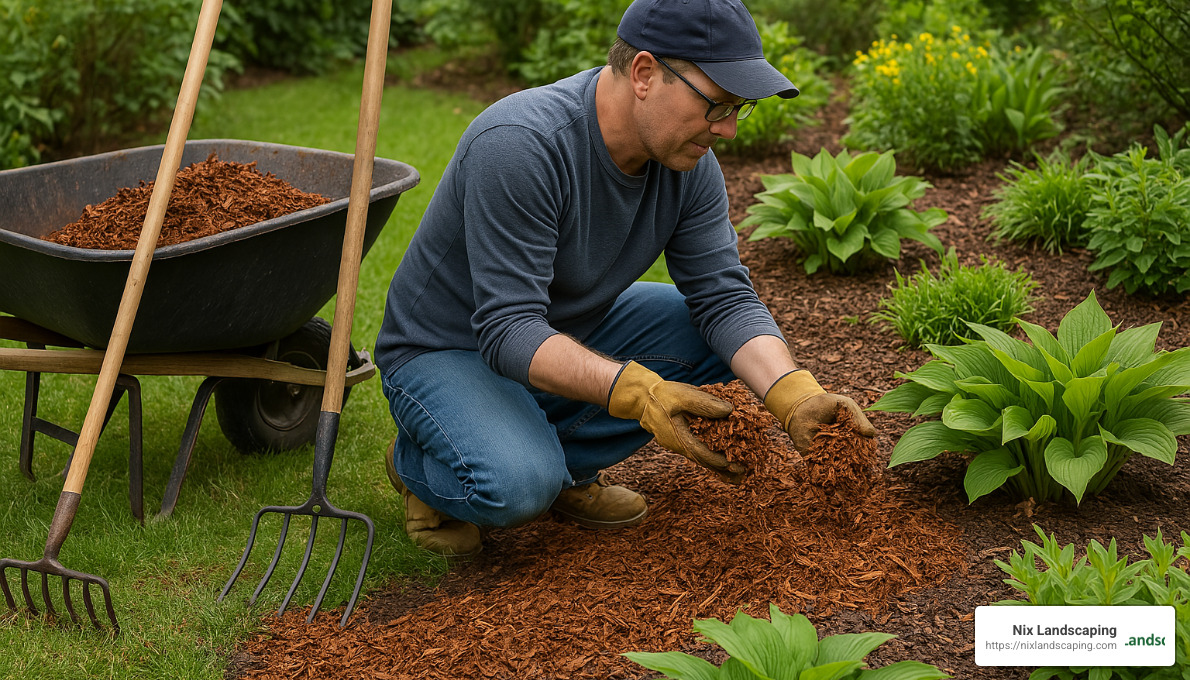
Generally speaking, for most residential properties in Fishers, a yearly mulch refresh works best. Rather than replacing all your mulch every year, consider adding a thin (about one inch) fresh layer to restore its color and effectiveness. This targeted refresh saves you money and maintains all the mulch benefits you love—weed control, moisture retention, and aesthetics.
Partial refreshes can be a smart way to keep things beautiful without breaking the bank. If your mulch still looks good overall, focus on high-visibility areas or any spots that get worn down quickly—like along pathways or near driveway edges.
However, there are times when a complete mulch replacement is the way to go. If your mulch layer has become overly compacted, doesn’t let water through, or starts growing funky-smelling fungus, it’s probably time to replace it entirely. Likewise, if your mulch beds have built up beyond four inches due to repeated yearly additions, removing and replacing it completely might be needed. Changing mulch color or type for a fresh landscape design is also a good reason to swap out the old mulch.
And don’t forget our Fishers weather—freeze-thaw cycles, spring rains, and occasional summer droughts can speed up mulch breakdown. After harsh winters or extra wet springs, you might need a more substantial mulch refresh to keep your garden looking and functioning its best.
At Nix Landscaping, we take a personalized approach. Instead of a one-size-fits-all schedule, we’ll evaluate your property specifically to determine exactly what your landscape needs. This way, you’re doing what’s best for your plants, your budget, and your home’s curb appeal.
Troubleshooting Common Mulch Problems
Even when you do everything right, sometimes mulch problems happen. But don’t worry—they’re usually easy to fix!
Fungal growth—those weird mushrooms or fluffy white patches that appear after humid weather—can be common in Fishers, especially during wet summers. Although typically harmless (and even helpful for mulch breakdown), they can look unsightly. A quick fix is gently raking the mulch to improve air circulation. Reducing moisture by adjusting watering patterns usually helps. If it’s really noticeable or bothersome, you might remove and replace a small patch of mulch.
Mulch compaction can make your mulch less effective, especially after winter snow or heavy rains. If you notice mulch becoming hard and dense, just grab a rake and fluff it up. Adding a thin layer of fresh mulch afterward can help restore its benefits. (And maybe avoid stepping on mulch beds too often—give your toes a break!)
Mulch erosion can happen on slopes or where water runoff is frequent. Fishers homeowners sometimes notice mulch washing onto sidewalks or into lawns after heavy rains. To prevent this, installing landscape edging or switching to a slightly coarser mulch type can help. If erosion is severe, terracing or improving drainage might be needed long-term.
Color fading is natural for all mulch types, but it happens faster with dyed mulch varieties. If your mulch fades and starts looking dull, just spreading a thin top layer of fresh mulch can brighten things up instantly. You might also choose naturally colored mulch that fades more gracefully or try styles with UV-resistant dyes.
Pest problems can occasionally pop up, especially if mulch is piled high against foundations or plant stems. If you see unwanted insects, pull mulch away from these areas and ensure proper depth. Cedar mulch is a handy, natural pest repellent—plus, it smells great! Letting mulch dry between waterings reduces insect attraction too.
At Nix Landscaping, we’re here to support our Fishers neighbors through all these common mulch challenges. With a little maintenance and troubleshooting, your mulch beds will continue looking fantastic season after season.
Cost Considerations for Mulch Installation
When planning your landscaping budget, understanding the cost factors involved in Fishers IN mulch installation is key. Let’s break it down into some simple, clear steps so you know exactly what to expect.
Mulch pricing in Fishers usually ranges between $25 and $60 per cubic yard, depending on the type you choose. Quality hardwood mulch, a local favorite, typically costs around $30 to $35 per yard. Specialty mulches, like cedar or playground-certified mulch, are a bit pricier, generally around $45 to $60 per cubic yard. Dyed mulches offer striking color options (black, red, brown) and usually run about $35 to $45.
It pays to order mulch in larger quantities. Suppliers often offer discounts when you order 10 yards or more, usually saving you $3 to $5 per yard compared to smaller orders. If your property is modestly sized, consider teaming up with neighbors or family nearby—you’ll both benefit from these bulk discounts!
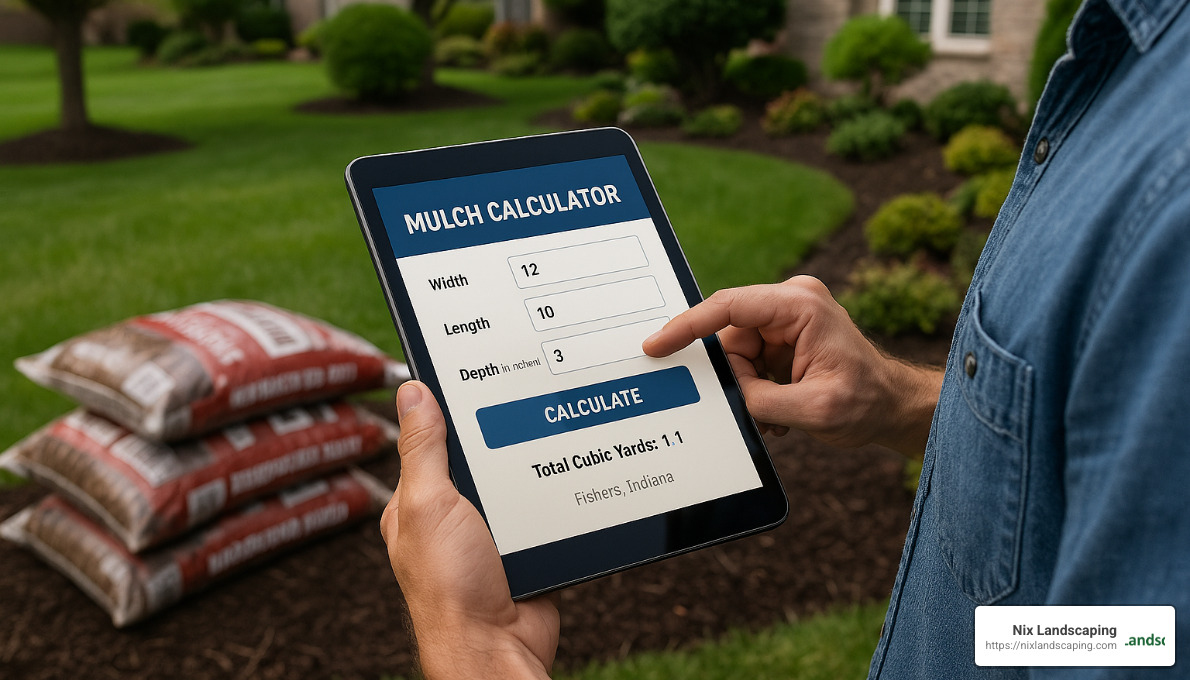
One of the biggest questions we get at Nix Landscaping is, “how much mulch do I actually need?” Good news—it’s simple math! A cubic yard covers around 100 square feet at a 3-inch depth, or 150 square feet at 2 inches deep. To figure out how much mulch your beds need:
- Measure the length and width of your bed, and multiply these numbers to get the total square footage.
- Multiply your total square footage by the desired mulch depth in inches.
- Finally, divide that number by 324 (which converts inches and square feet into cubic yards).
For example, let’s say you have a garden bed that’s 500 square feet and you want mulch 3 inches deep. You’d multiply 500 x 3 (depth) = 1,500. Then divide 1,500 by 324, which gives about 4.6 cubic yards—round that up to 5 cubic yards to be safe.
Delivery fees also factor into the final cost, typically ranging from $45 to $75 in the Fishers area. But here’s a pro tip—many suppliers waive this fee if you order enough mulch (usually 5-10 cubic yards). Another good reason to order in bulk or partner with your neighbors!
Professional installation typically costs $45 to $65 per cubic yard, including delivery, mulch itself, and labor. While hiring professionals like Nix Landscaping adds to your upfront cost, it ensures proper installation. This means your mulch lasts longer, looks better, and provides maximum benefits like weed control, moisture retention, and improved curb appeal.
The long-term value of professional mulch installation in Fishers. Done right, mulch reduces your water bills significantly, lowers weed management expenses, and improves your plants’ overall health (saving money on replacement plants!). It’s an investment that pays for itself over time in saved resources and boosted home value.
DIY vs. Professional Installation Cost Analysis
Deciding between DIY and professional mulch installation really comes down to your priorities—time, cost, quality, and convenience. Let’s break down both sides clearly:
If you’re going the DIY route, expect to spend 7-10 hours on a typical quarter-acre Fishers property. Bed preparation, edging, mulch spreading, and cleanup all add up, especially if you’re inexperienced. Plus, you’ll need to factor in equipment rental fees—wheelbarrows, edging tools, rakes—typically running around $60 to $90 per day if you don’t already own them.
Professional installation, on the other hand, is a breeze. A trained team can complete the job in just 2-4 hours. The cost usually ranges from $650 to $750 for a typical 1,000 square-foot bed area (about 10 cubic yards), including mulch, labor, and cleanup. You simply relax and enjoy the beautiful results.
Here’s a quick cost comparison for a 1,000-square-foot area:
DIY: Mulch ($350) + delivery ($50) + equipment rental ($60) = $460
(Plus 7-10 hours of your valuable weekend!)Professional: All-inclusive mulch installation = $650 to $750
(Plus minimal time and effort on your part!)
Many Fishers homeowners find the convenience, professional results, and quality guarantee well worth the extra investment. At Nix Landscaping, we offer warranty protection on our work—something you won’t get from a DIY project!
Eco-Friendly and Sustainable Mulch Options
If sustainability matters to you (and it should!), there are several eco-friendly mulch choices available right here in Fishers that help our planet and your landscape.
Locally sourced mulch is an excellent place to start. Products from local timber companies or reclaimed wood from Fishers-area tree removals minimize transportation emissions. At Nix Landscaping, we proudly support local suppliers within a 50-mile radius whenever possible.
Recycled mulch is another attractive eco-friendly option. Mulch made from reclaimed wood pallets, urban tree removal wood, lumber mill by-products, and yard waste composting operations keeps these materials out of our landfills. Just be sure to purchase from reputable suppliers to ensure quality.
An organic certified mulch guarantees no synthetic chemicals or treatments. It’s perfect for edible gardens or sensitive landscapes. Organic-certified mulch may cost a bit more—but the peace of mind is often worth it.
Beyond mulch choices, how we install mulch matters too. Sustainable installation means applying precise mulch amounts (no waste!), maintaining proper mulch depths, and composting old mulch when replacement becomes necessary. At Nix Landscaping, sustainability is baked into everything we do—we’ll help you choose landscape practices that are beautiful, effective, and eco-friendly.
Frequently Asked Questions about Mulch Installation in Fishers
What is the Best Time of Year for Mulch Installation in Fishers, IN?
The best time for Fishers IN mulch installation generally depends on your landscaping goals, but most homeowners find early to mid-spring the ideal window. From mid-April through May, Fishers’ winter freeze has usually passed, and spring rains help the mulch settle naturally. A spring mulch installation also gives your landscape a fresh, vibrant look just as everything starts growing again. Plus, mulch applied early helps block that first pesky wave of spring weeds and keeps moisture in during our hot summers.
But spring isn’t your only option—fall can be great too! Come October or early November, applying mulch can keep roots insulated against Fishers’ tricky winter freeze-thaw cycles. It also helps soil retain moisture during the drier winter months and gently enriches the earth as it decomposes, prepping your plants for healthier spring growth. Another perk: Landscape companies are usually less busy in the fall, making scheduling easier. Fall mulch installation can even conveniently tie into your regular fall cleanup.
Whenever you decide to mulch, keep an eye on the weather forecast. Too much rain before installation can lead to compaction issues, while applying mulch just before a heavy storm may cause erosion, especially on slopes. Whether spring or fall, it’s wise to plan ahead—especially during the busy spring months. Spring appointments typically need booking 2-3 weeks in advance, while fall scheduling can happen with about 1-2 weeks’ notice. At Nix Landscaping, we’re here to help you pick the perfect timing based on your property’s needs. Many of our clients even choose to mulch twice a year—a main installation in spring and a quick refresh in fall—to enjoy beauty and benefits throughout the entire year.
How Much Mulch Do I Need for My Fishers Property?
Figuring out how much mulch you’ll need can seem tricky, but don’t worry—it’s a simple calculation! Here’s how you do it: Measure the length and width of each of your beds in feet, multiply those numbers together to get the square footage, and then multiply again by your desired depth (measured in feet). Finally, divide by 27 (the number of cubic feet in a yard) to find your cubic yard total.
For instance, let’s say you have a garden bed that’s 10 feet by 20 feet—giving you 200 square feet. If you’d like mulch that’s 3 inches deep, you’ll multiply 200 by 0.25 (3 inches = 0.25 feet), giving you 50 cubic feet. Divide that by 27, and you get approximately 1.85 cubic yards of mulch needed.
We generally recommend mulch depths of about 2 to 3 inches for standard landscape beds. Around trees and shrubs, you might want a slightly thicker layer—around 3 to 4 inches, tapering down near trunks to prevent rot. Vegetable gardens usually need just 1 to 2 inches, making annual planting and harvesting easier. If you’re mulching a kid’s play area with certified playground mulch, you’ll need a thicker layer—around 8 to 12 inches—for proper safety.
It’s also smart to factor in a bit extra for inevitable wastage or settling. We typically suggest adding about 10-15% more mulch to your calculation to account for compaction, uneven spots, and small losses during installation.
Still feeling unsure? Don’t stress! At Nix Landscaping, we’re always happy to visit your Fishers home and give you precise measurements and calculations, so you’ll have exactly the right amount of mulch—no more, no less!
Can Mulch Installation Help with Drainage Issues in Fishers Soil?
If you’ve lived in Fishers for any amount of time, you know our clay-heavy soil can make drainage tricky, especially during spring rains or heavy summer storms. The good news? Yes, properly installed mulch can genuinely improve your landscape’s drainage—but it’s usually most effective as part of a broader drainage strategy.
Mulch helps improve water management by reducing runoff, slowing water flow, and allowing more moisture to absorb into the soil. As organic mulches like hardwood or pine bark gradually break down, they help open up compacted soil, creating tiny channels for water to filter into the ground rather than pooling on the surface or washing away valuable topsoil.
If you have slopes or hilly parts of your property, mulch can be especially helpful. Using slightly chunkier mulch on inclined areas can reduce erosion and stay in place better during heavy rains. For steeper slopes, we often recommend additional measures like terracing or erosion control netting beneath the mulch.
Of course, mulch alone won’t solve every Fishers drainage problem. Combining mulch with complementary solutions like French drains, rain gardens filled with moisture-loving native plants, core aeration, or even soil amendments can make a big difference. These combined approaches produce the best results, especially if your property has significant drainage issues.
Through Fishers’ wet springs, hot summers, and cold winters, mulch works hard year-round. Mulch protects your landscape beds from erosion, prevents mud from splattering on plants and walkways, and helps maintain healthier soil structure and moisture levels throughout the seasons. At Nix Landscaping, we always start with a thorough assessment of your property’s drainage situation. Then we recommend mulch types and installation techniques custom specifically to your unique landscape, helping you solve drainage concerns and keep your yard looking great.
Conclusion
When it comes to changing your outdoor space, proper Fishers IN mulch installation delivers benefits that go far beyond simple aesthetics. Throughout this guide, we’ve explored how mulch serves as a foundation for landscape health, appearance, and environmental responsibility in our unique central Indiana climate.
I’ve seen how the right mulch, properly installed, can completely revitalize a tired landscape. The rich colors against green foliage create an instant visual upgrade, while the functional benefits work quietly behind the scenes to protect your plants and soil year-round.
At Nix Landscaping, we’ve developed our Fishers IN mulch installation expertise through years of hands-on experience with local properties. We understand the specific challenges our Fishers clients face – from clay-heavy soils to unpredictable weather patterns – and tailor our approach accordingly. This local knowledge makes all the difference in creating mulched landscapes that truly thrive.
Timing matters tremendously in our area. Spring installation gives you that fresh, clean look right as your landscape wakes up, while providing crucial summer protection. Fall application prepares your plants for winter’s freeze-thaw cycles. Many of our clients find that a combination approach – with a full installation in spring and a light refresh in fall – offers the best of both worlds.
Beyond the immediate curb appeal boost (which is substantial!), professionally installed mulch adds genuine value to your property. Prospective buyers recognize the signs of a well-maintained landscape, and properly mulched beds signal attention to detail and care. Even if you’re not planning to sell, you’ll enjoy lower maintenance requirements, reduced water bills, and healthier plants throughout the seasons.
I’m particularly proud of how our mulching practices contribute to environmental stewardship in our Fishers community. By reducing water consumption, limiting chemical interventions, improving soil biology, and often utilizing locally-sourced materials, your landscape choices create ripple effects that benefit our shared environment.
The difference between amateur and professional Fishers IN mulch installation becomes apparent over time. Proper bed preparation, precise application techniques, and attention to details like edging and depth control result in mulch that performs better and lasts longer. While DIY installation is certainly possible, our clients consistently tell us they appreciate the efficiency and expertise we bring to the process.
I hope this guide has helped you understand the value and process of quality mulch installation for your Fishers property. Whether you’re looking to improve curb appeal, improve plant health, or simply reduce your landscape maintenance time, proper mulching delivers on multiple fronts.
For more information about our comprehensive landscaping services, including professional mulch installation custom to your specific property, please visit our website at Nix Landscaping. We’re always happy to discuss how we can help you create a beautiful, sustainable landscape that thrives in our unique Fishers conditions.

