
Spring Garden Awakening: When and How to Begin
The first warm days of spring bring an undeniable urge to head outside and tackle your garden clean up spring tasks. There’s something deeply satisfying about clearing away winter’s leftovers and preparing for the growing season ahead. But timing is everything when it comes to spring cleanup.
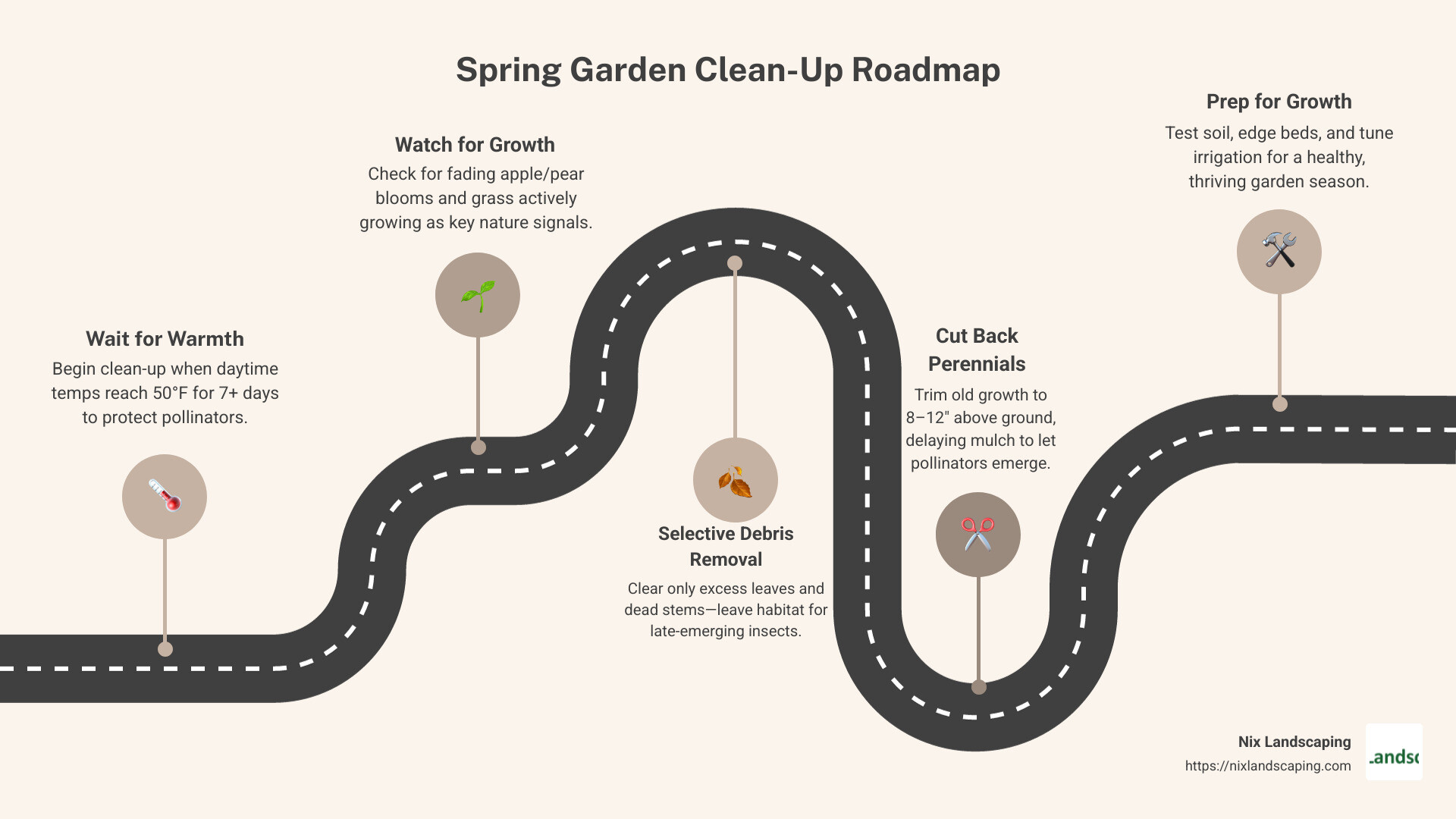
Before you grab your rake and pruners, look for these key signs that it’s truly time to begin: daytime temperatures consistently reaching 50°F for at least a week straight, apple and pear blossoms beginning to fade, grass actively growing again, and soil that’s workable without being too muddy. These natural indicators tell you that the time is right for your garden clean up spring efforts.
When those conditions align, you can start with the essentials: selectively removing debris (not everything needs to go!), carefully cutting back dead perennial growth, and checking for those promising signs of new growth before making any pruning decisions.
Garden clean up spring truly is a magical transition time. As the landscape shakes off winter’s grip and reveals those first hopeful green shoots, it represents all the promise and potential of the growing season ahead. While it’s tempting to rush outside at the first hint of warmth, thoughtful timing isn’t just about making things look tidy—it’s about protecting the beneficial insects that have been sheltering in your garden all winter long.
Many of our most important pollinators—native bees, butterflies, and other helpful insects—have spent the cold months tucked away in leaf litter or hollow plant stems. Clean up too early, and you might accidentally disrupt their lifecycle before they’ve had a chance to emerge and get to work in your garden.
I completely understand the spring cleaning impulse! After months of looking at a dormant landscape, who doesn’t want to get outside and start fresh? But as we like to say at Nix Landscaping, patience in spring cleanup pays tremendous dividends for both your plants and local wildlife.
I’m Kyle Nix, owner of Nix Landscaping in Fishers, Indiana, and I’ve helped countless homeowners develop garden clean up spring approaches that strike the perfect balance between tidiness and ecological benefits. My experience has taught me that a thoughtful spring cleanup creates the foundation for a vibrant, healthy landscape that thrives throughout the entire growing season.
Looking for more seasonal guidance? Check out our resources on fall garden clean up, fall leaf removal cost, and seasonal yard cleanup.
Why Patience Pays Off
When it comes to garden clean up spring activities, that 50°F threshold isn’t something I made up—it’s based on insect biology. Most overwintering pollinators remain dormant until temperatures consistently stay above this mark. Rush out during that first surprisingly warm March day, and you might accidentally destroy their habitat before they’ve had a chance to wake up and move on.
“A proper spring garden clean-up should NOT be a destructive process,” is a principle we live by at Nix Landscaping. This perspective shift—from seeing spring cleanup as purely about aesthetics to viewing it as a form of ecological stewardship—is changing how many of our clients approach their landscapes.
By waiting for those appropriate temperature cues, you’re protecting queen bumblebees that often shelter in leaf litter until mid-spring. You’re giving solitary bees time to emerge from the hollow stems where they’ve spent the winter. You’re allowing butterfly chrysalises to complete their development undisturbed, and you’re supporting ground-nesting bees that may be just beneath the soil surface.
The biodiversity boost from this simple act of patience ripples throughout your entire garden ecosystem. These insects become your first line of defense against garden pests and provide essential pollination services as your flowers begin to bloom. The delayed gratification of waiting just a few extra weeks pays off enormously in garden health throughout the rest of the growing season.
According to scientific research on pollinator emergence, many of our most important beneficial insects don’t become active until consistently warm weather arrives. By timing your garden clean up spring activities accordingly, you become a partner in their success—and they’ll return the favor with a healthier, more productive garden.
Garden Clean Up Spring Timing: When to Start
In Fishers, Indiana, and throughout the Midwest, spring weather plays a delightful game of tease and retreat. One day might bless us with 65°F sunshine that has you reaching for your gardening gloves, while the next brings freezing temperatures and unexpected snow flurries. These temperature rollercoasters make timing your garden clean up spring activities particularly tricky.
The most reliable approach isn’t about following a specific calendar date, but rather paying attention to what Mother Nature is telling us. Wait until:
Daytime temperatures consistently reach 50°F for at least 7 consecutive days, nighttime temperatures remain above freezing, and the soil has thawed without being waterlogged. This patience protects both your plants and the critters who call your garden home during winter.
Nature offers several helpful indicators that the time is right for spring cleanup:
| Natural Indicator | What It Signals | Regional Timing (Midwest) |
|---|---|---|
| Forsythia in full bloom | Soil warming to 50°F | Late March to mid-April |
| Apple & pear blossoms fading | Most ground bees emerging | Mid-April to early May |
| Lawns actively growing | Soil biology activating | Early to mid-April |
| Tomato planting time | Safe for full garden activity | After May 10th (Mother’s Day) |
I love the simple question posed by the Xerces Society for Invertebrate Conservation: “Would I plant tomatoes now?” If you wouldn’t risk putting tender tomato plants in the ground yet, it’s probably too early for thorough garden clean up spring activities as well.

Scientific research has shown that over 70% of native bees actually nest in the ground, making it crucial to avoid aggressive raking and mulching too early. These important pollinators may still be snoozing away until mid to late May in many regions. By using the fading of apple and pear blossoms as your natural alarm clock, you’ll protect the majority of these beneficial insects while they complete their life cycles.
For those of us with larger gardens, I recommend a sectional approach to garden clean up spring tasks. Begin with areas that warm first—those south-facing beds near structures that absorb heat—and gradually work your way toward shadier, cooler sections as the season progresses. This mimics the natural warming pattern of your landscape and gives wildlife time to adjust.
At Nix Landscaping, we’ve found that this patient, nature-based approach to spring cleanup not only protects beneficial insects but also reduces the chance of damage to emerging perennials that might still be hiding beneath the soil surface. For more detailed information about timing your garden activities with natural cycles, check out the Xerces Society’s research on pollinator emergence.
Step-by-Step Spring Cleanup Blueprint
Once conditions are right, follow this comprehensive garden clean up spring blueprint to ensure your landscape thrives while supporting local ecology:

Garden Clean Up Spring Essential Steps
The morning sun warms your face as you step into your garden, tools in hand. It’s finally time! But where to begin? Let me walk you through the essential steps we follow at Nix Landscaping for a successful spring awakening.
First, tackle those leaves—but selectively. Rather than raking everything bare, focus on removing thick, matted layers that might smother emerging plants. Those little leaf pockets under shrubs? They’re perfect hideaways for beneficial insects, so let them be. Your garden’s tiny helpers will thank you.
When it comes to last year’s perennials, resist the urge to cut them to the ground. Instead, trim the dead foliage to about 8-12 inches above soil level. This preserves valuable nesting habitat while making room for new growth. I love what one gardening expert says: “Cut back dead stems but leave 8–12 inches of stubble; bundle and tie stems for insect emergence.” It’s like creating tiny high-rise apartments for your garden’s beneficial residents!
Pruning requires a careful touch this time of year. Remove any dead or damaged branches from trees and shrubs, but be patient with your spring bloomers like lilacs and forsythia—wait until after they’ve finished their floral display before trimming. Summer-flowering shrubs, on the other hand, will appreciate a spring haircut.
Your soil has been resting all winter, and now’s the perfect time to check in on its health. Taking soil samples for testing helps determine pH and nutrient needs. Based on what you find, you can give your soil the amendments it craves. A generous helping of compost works wonders for most gardens.
As spring progresses and new growth appears, divide those overcrowded perennials like hostas and daylilies. They’ll reward you with improved vigor and more abundant blooms. This is also the ideal moment to create crisp edges between your lawn and garden beds—not just for looks, but to prevent grass from sneaking into your planting areas.
Before the growing season kicks into high gear, inspect your irrigation system for leaks or damage. A quick check now prevents headaches (and dead plants) later. And don’t forget about bare spots in your lawn! Once soil temperatures reach 55-60°F, overseed those thin areas to keep weeds from moving in.
Here’s a pro tip from our team at Nix Landscaping: delay mulching until the soil has fully warmed. Rushing to spread mulch can trap overwintering insects and slow soil warming, delaying your garden’s spring awakening.
For ornamental grasses, timing is everything. Wait until you see new growth emerging from the base, then cut back to about 2-3 inches above the crown. This prevents accidentally removing fresh shoots while ensuring last year’s foliage doesn’t interfere with new growth.
We’ve found that loosening dense leaf layers rather than removing them completely allows sunlight and water to reach emerging plants while preserving valuable habitat. These “habitat pockets” throughout your landscape create a perfect balance between tidy and wild.
Tool & Safety Prep
Having properly prepared tools makes your garden clean up spring tasks not just more efficient, but genuinely enjoyable. There’s something deeply satisfying about working with sharp, clean equipment that responds to your touch.
Your spring cleanup toolkit should include bypass pruners for clean cuts on live stems and anvil pruners for tackling dead wood. A flexible-tined leaf rake, garden fork for dividing perennials, and jute twine for bundling cut stems will round out your essentials. And don’t forget a sturdy wheelbarrow or garden cart—your back will thank you!
Tool maintenance doesn’t have to be complicated. After each use, clean tools with soapy water and dry them thoroughly. For pruners and shears with stubborn rust, a bit of steel wool and vegetable oil works wonders. Keep cutting edges sharp with a file or whetstone, and remember to oil moving parts to prevent sticking.
At Nix Landscaping, we’re big fans of the “bucket method” for pruner storage: after cleaning your pruners, store them in a bucket of sand mixed with a cup of mineral oil. This simple hack keeps blades sharp and prevents rust between uses, significantly extending the life of your tools.
Safety should never be an afterthought in the garden. Wear appropriate gloves—leather for thorny work, nitrile for wet conditions—and always use eye protection when pruning overhead. If you’re using power equipment, consider ear protection as well. And yes, apply sunscreen even on cloudy spring days—those UV rays are sneakier than you might think!
Speaking of power equipment, we’re increasingly recommending battery-powered options to our clients. Modern battery tools now match gas-powered performance while producing zero emissions and significantly less noise. This creates a more pleasant working environment for you and causes less disturbance to wildlife. It’s a win-win!
For more detailed guidance on keeping your outdoor spaces in top shape year-round, check out our comprehensive yard cleaning tips and seasonal yard cleanup resources. They’re packed with practical advice from our years of experience helping Indiana homeowners create beautiful, sustainable landscapes.
Eco-Friendly Practices for Pollinators & Biodiversity
A truly successful garden clean up spring approach balances aesthetic goals with ecological benefits. Here’s how to make your spring cleanup pollinator-friendly:

Balancing Tidy & Wild
The modern approach to spring cleanup isn’t about choosing between a pristine landscape and a wildlife sanctuary—it’s about thoughtfully blending both worlds.
Think of your yard as having different “comfort zones” for both you and wildlife. Near your patio or front entrance, you might want things looking sharp and manicured. That’s perfectly fine! But those back corners and areas under shrubs? They’re perfect spots to leave the leaves and create wildlife havens.
Creating wildlife corridors through your property gives beneficial insects highways to travel between habitats. I’ve seen amazing results when homeowners connect these natural areas with pathways of native plants and undisturbed ground. Your garden becomes an interconnected ecosystem rather than isolated beds.
Selective tidying has become our mantra at Nix Landscaping. When clients want that fresh spring look, we don’t remove debris entirely—we relocate it. Those leaves from your front yard flower beds can find a new home under your backyard serviceberry or in a discreet corner where they’ll continue supporting life.
“A proper spring garden clean-up should NOT be a destructive process,” as the saying goes. I couldn’t agree more. When we approach our yards with this mindset, magic happens.
Have you heard about No Mow May? It’s a growing movement that’s catching on even in our tidy Fishers neighborhoods. By simply reducing mowing frequency in spring, you allow those early “weeds” (actually beneficial wildflowers!) to bloom, giving hungry pollinators their first meals of the season. The change I’ve seen in properties participating has been remarkable—from silent green carpets to buzzing hubs of activity.
Leaf & Debris Management Hacks
I’ll let you in on a professional secret: when it comes to garden clean up spring practices, we’re not actually removing as much as you might think. We’re strategically relocating.
Relocate, don’t remove is our first principle. Those bags of leaves heading to the landfill? They’re full of butterfly chrysalises, beneficial insect eggs, and organic matter that your soil craves. Instead, we create discreet compost areas or tuck leaves under shrubs where they’ll break down naturally.
When leaves form thick, sodden mats that could smother emerging plants, we don’t strip them away—we fluff matted layers with a light rake. This simple trick allows air and light to reach new growth while preserving the habitat.
I’m often asked about leaf blowers during spring cleanup. While they’re efficient tools, on smaller properties they can be overkill and potentially harmful to delicate habitats. A good rake offers more precise control and creates less disturbance for overwintering creatures.
For maintaining moisture retention, nothing beats a natural leaf layer. Those spring and summer hot spells won’t dry out your soil nearly as quickly when you’ve preserved some of that natural mulch. I’ve seen dramatic differences in plant health during drought periods between properties that kept some leaf cover versus those stripped completely bare.
One of my favorite techniques involves hollow plant stems. Rather than discarding them, we bundle the stems after cutting and hang them horizontally on fences or in trees. This allows insects to emerge naturally while keeping garden beds tidy. It’s a small effort with big ecological rewards.
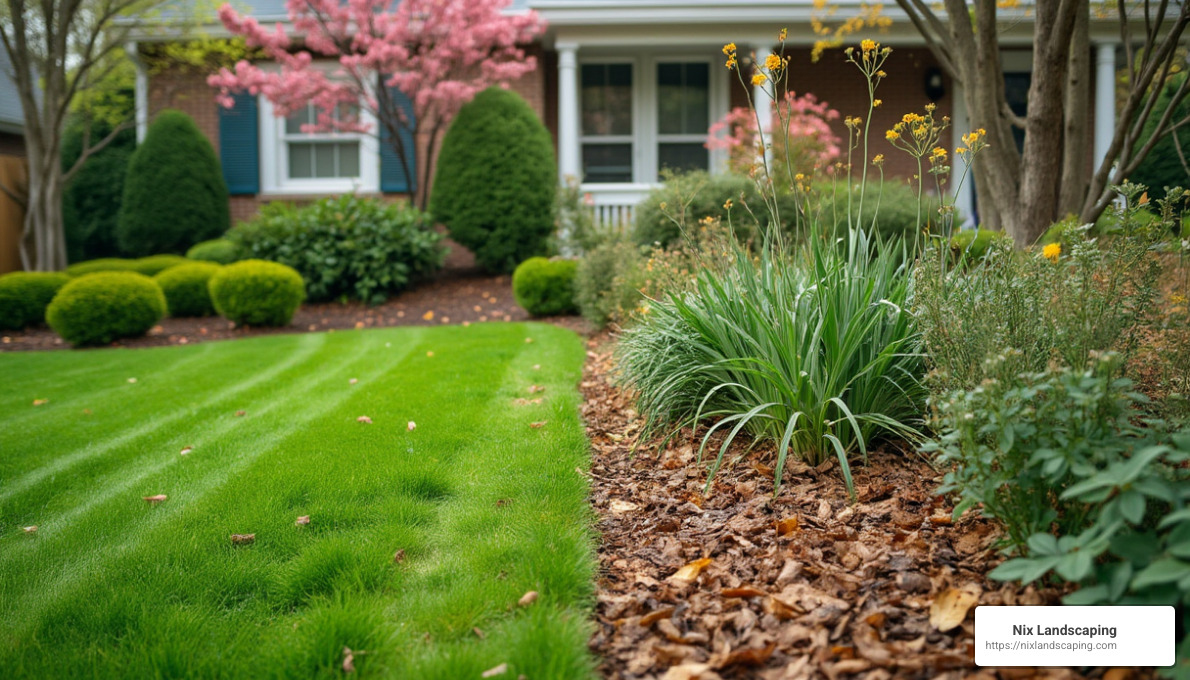
At Nix Landscaping, we’ve developed what we call the “50/50 approach”—removing about half the leaf litter and stems during spring cleanup and leaving the remainder until temperatures have been consistently above 50°F for several weeks. This balances aesthetic expectations with ecological benefits, giving you a garden that looks cared for while supporting the creatures that make it thrive.
Want to learn more about seasonal approaches to yard maintenance? Check out our detailed guide on Fall Garden Clean Up that complements these spring practices perfectly.
Frequently Asked Questions about Garden Clean Up Spring
How early is too early for garden clean up spring?
When it comes to garden clean up spring timing, Mother Nature gives us clear signals. If you’re still seeing frost on your windshield in the morning or the thermometer refuses to climb above 50°F during the day, it’s simply too soon to dive into comprehensive cleanup.
I’ve seen many eager gardeners (myself included!) rush outside during that first warm day in March, only to find we’ve disturbed sleeping pollinators or exposed tender plant crowns to a surprise late frost. As one of my clients humorously puts it: “If you’re still wearing wool socks and long underwear outdoors, it’s too early to clean up—go make hot chocolate instead!”
Here in Fishers, Indiana, mid-April typically marks our sweet spot for beginning most cleanup activities, though Mother Nature doesn’t always follow our calendar. Instead of fixating on dates, watch for natural indicators like forsythia bursting into bloom or your lawn beginning active growth.
For those of you itching to start garden work earlier, channel that energy into prep tasks instead. Clean and sharpen your tools, sketch out garden plans, start seeds indoors, or simply remove obvious winter debris like fallen branches. Your garden will thank you for your patience.
What tools make garden clean up spring faster and greener?
The right tools transform garden clean up spring from a backbreaking chore into a satisfying experience. I’ve found that quality manual tools remain the backbone of eco-friendly garden work.
My essential manual toolkit includes bypass pruners (which make cleaner cuts than anvil styles), a flexible-tined leaf rake, a sturdy garden fork for dividing perennials, and a hori-hori knife for precision weeding. For larger branches, a sharp pruning saw makes quick work of anything over half an inch thick.
When it comes to power equipment, we’ve made a conscious shift at Nix Landscaping toward battery-powered options. Today’s battery tools deliver impressive performance while eliminating emissions and cutting noise pollution by half. Your neighbors (and the birds) will appreciate the difference!
Tool care makes all the difference in efficiency and longevity. After each use, take a moment to brush off dirt, disinfect when needed (especially after working with diseased plants), and store tools properly in dry conditions. I keep a bucket of sand mixed with a bit of linseed oil where I plunge my pruners after use—it cleans, sharpens, and prevents rust all at once.
Don’t forget about personal gear too. Good gloves, eye protection, knee pads, and proper footwear aren’t just about comfort—they keep you gardening safely for years to come.
How can I control weeds & pests without harming beneficial insects?
Finding the sweet spot between weed management and pollinator protection during garden clean up spring doesn’t have to mean choosing sides. With thoughtful timing and targeted approaches, you can maintain a beautiful garden while supporting beneficial insects.
For weed control, timing is everything. I recommend applying corn gluten meal as a natural pre-emergent right when forsythia blooms. This creates a barrier against weed seeds without harming established plants or beneficial insects. For weeds that do appear, targeted hand-pulling works best—focus on getting the entire root of perennial troublemakers.
Mulch becomes your best ally once soil has properly warmed. A 2-3 inch layer suppresses weed germination while conserving moisture. For areas with persistent weed problems, try what I call the “garden lasagna” approach: lay down 6-8 sheets of newspaper (or a single layer of cardboard), wet thoroughly, then top with organic mulch. This smothers existing weeds while allowing beneficial insects to emerge through small gaps.
For pest management, I’ve found that prevention beats reaction every time. Encourage natural predators by preserving habitat patches in your garden. Plant insectary plants like dill, fennel, and cosmos that attract beneficial insects that prey on garden pests. When intervention becomes necessary, opt for targeted solutions like insecticidal soaps applied only to affected plants rather than broadcast spraying.
In lawn areas, simple adjustments make a big difference. Raise your mowing height to 3-3.5 inches for cool-season grasses, which naturally suppresses weeds. Consider embracing some clover and dandelions, especially in spring when pollinators desperately need these early food sources. Your lawn will still look neat, but it becomes an ecological asset rather than a desert.
At Nix Landscaping, we’ve found that clients who adopt these balanced approaches end up with gardens that not only look beautiful but require less intervention over time. The ecosystem begins working for you, creating a sustainable cycle that benefits everything from soil microbes to butterflies to the gardener.
Conclusion
As the last of the frost melts away and your garden begins to stretch toward the warming sun, a thoughtful approach to garden clean up spring sets the stage for months of beauty ahead. But this isn’t just about creating picture-perfect flower beds—it’s about fostering a living ecosystem that will reward you with vibrant blooms, healthy plants, and the gentle hum of pollinators all season long.
I’ve guided countless homeowners through this seasonal transition, and I’ve seen how small adjustments in timing and technique can make remarkable differences. By waiting for those consistent 50°F days, you’re not just following some arbitrary guideline—you’re giving nature the time it needs to complete its delicate awakening process.
Nature offers us perfect timing signals if we pay attention. Those forsythia blooms, the first flush of lawn growth, and the readiness of your soil tell you more than any calendar date ever could. Trust these cues, and both your plants and garden visitors will thank you.
Garden clean up spring doesn’t have to be an all-or-nothing proposition. The most successful gardens blend tidy, maintained spaces with strategically “wild” areas that support biodiversity. That patch of leaves under your shrubs? It’s not neglect—it’s a butterfly nursery and natural fertilizer factory all in one.
When you preserve some leaf litter and leave those hollow stems standing 8-12 inches tall, you’re providing essential habitat for native bees and beneficial insects that will become your garden’s first line of defense against pests. This balance of aesthetics and ecology creates a landscape that’s not just beautiful to look at, but genuinely healthy from the soil up.

The tools you choose matter too. Well-maintained hand tools often give you the precision needed for spring’s delicate work, while modern battery-powered equipment can handle larger tasks without the noise and emissions of gas engines. Whatever your preference, keeping those tools clean and sharp makes every garden task more enjoyable.
At Nix Landscaping, we believe that beautiful landscapes and environmental stewardship go hand in hand. That’s why we’ve developed approaches that honor both your aesthetic preferences and the ecological needs of your outdoor space. Whether you’re in Fishers, Indiana or anywhere in the Midwest, these principles create gardens that truly thrive rather than merely survive.
The effort you put into thoughtful spring cleanup—waiting that extra week, selectively tidying while preserving habitat, choosing targeted approaches to weeds and pests—creates ripple effects that benefit your garden throughout the growing season. Those extra pollinators mean better vegetable harvests, more vibrant flowers, and fewer pest problems as nature’s balance asserts itself.
Ready to transform your outdoor space with a spring cleanup that sets the stage for season-long beauty? Explore our landscaping services and find how Nix Landscaping can help you create a garden that’s as sustainable as it is stunning. Let’s work with nature, not against it, to create an outdoor space that brings joy with every bloom.

