
The Garden Maintenance Essentials You Need to Know
Ever wondered why some gardens look effortlessly beautiful while others struggle? The secret isn’t magic—it’s consistent care. Garden maintenance tips aren’t just suggestions; they’re the backbone of a thriving outdoor space that brings joy season after season.
Think of garden maintenance as having a conversation with your plants. They tell you what they need if you know how to listen. Weekly watering of 1-2 inches encourages roots to grow deep and strong, while regular deadheading after blooms fade rewards you with more flowers. Season-specific pruning improves both the shape and health of your plants, and a 2-3 inch layer of mulch works double-duty by keeping weeds at bay while helping soil retain precious moisture.
During growing season, weekly mowing doesn’t just keep your lawn tidy—it actually thickens grass and blocks weeds from taking hold. Fertilizing according to each plant’s specific needs supplies essential nutrients, while consistent weeding reduces competition for those nutrients and other resources.
“A great-looking garden doesn’t have to be hard work,” garden expert Monty Don said, and I couldn’t agree more. The beauty of good garden care is that just 5-10 minutes of daily attention prevents those overwhelming weekend cleanup sessions we all dread.
I’m Kyle Nix, owner of Nix Landscaping in Fishers, Indiana. After years of maintaining hundreds of residential properties throughout central Indiana, my team and I have developed a systematic approach to garden care that simplifies the process while maximizing results. We’ve learned that good maintenance isn’t about working harder—it’s about working smarter with the right knowledge at the right time.
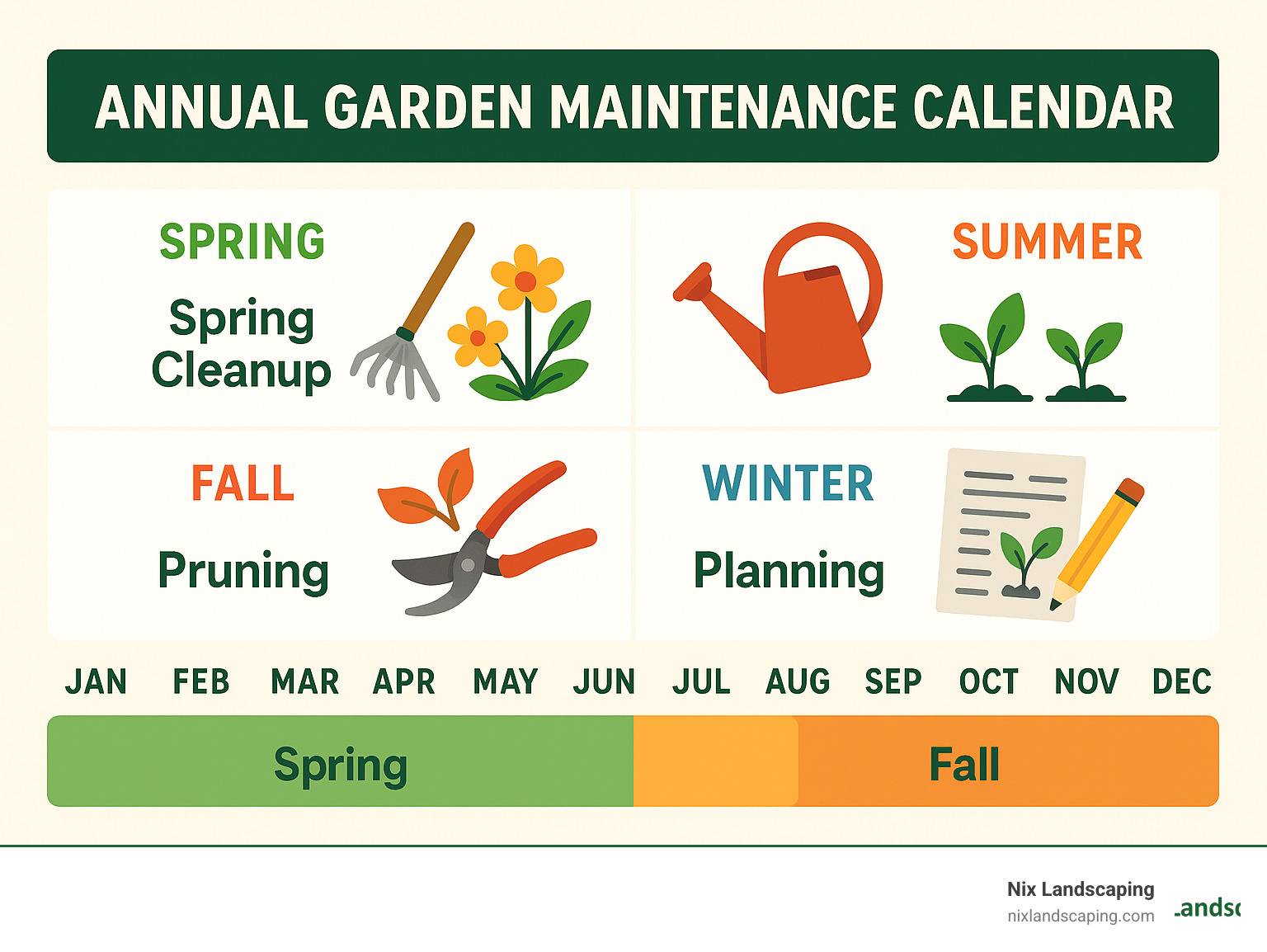
Looking to expand your gardening knowledge? We’ve created resources to help you at every stage of your garden journey. Our guides on DIY garden projects provide creative ways to improve your outdoor space, while our beginner gardening articles break down complex concepts into simple steps. And when cleanup time comes, our yard cleaning tips will make the process smooth and efficient.
A beautiful garden doesn’t happen by accident—it’s the result of consistent care applied with knowledge and love. But don’t worry, with the right garden maintenance tips, you’ll be enjoying your outdoor sanctuary with less work and more pleasure than you ever thought possible.
The Ultimate Garden Maintenance Tips Checklist
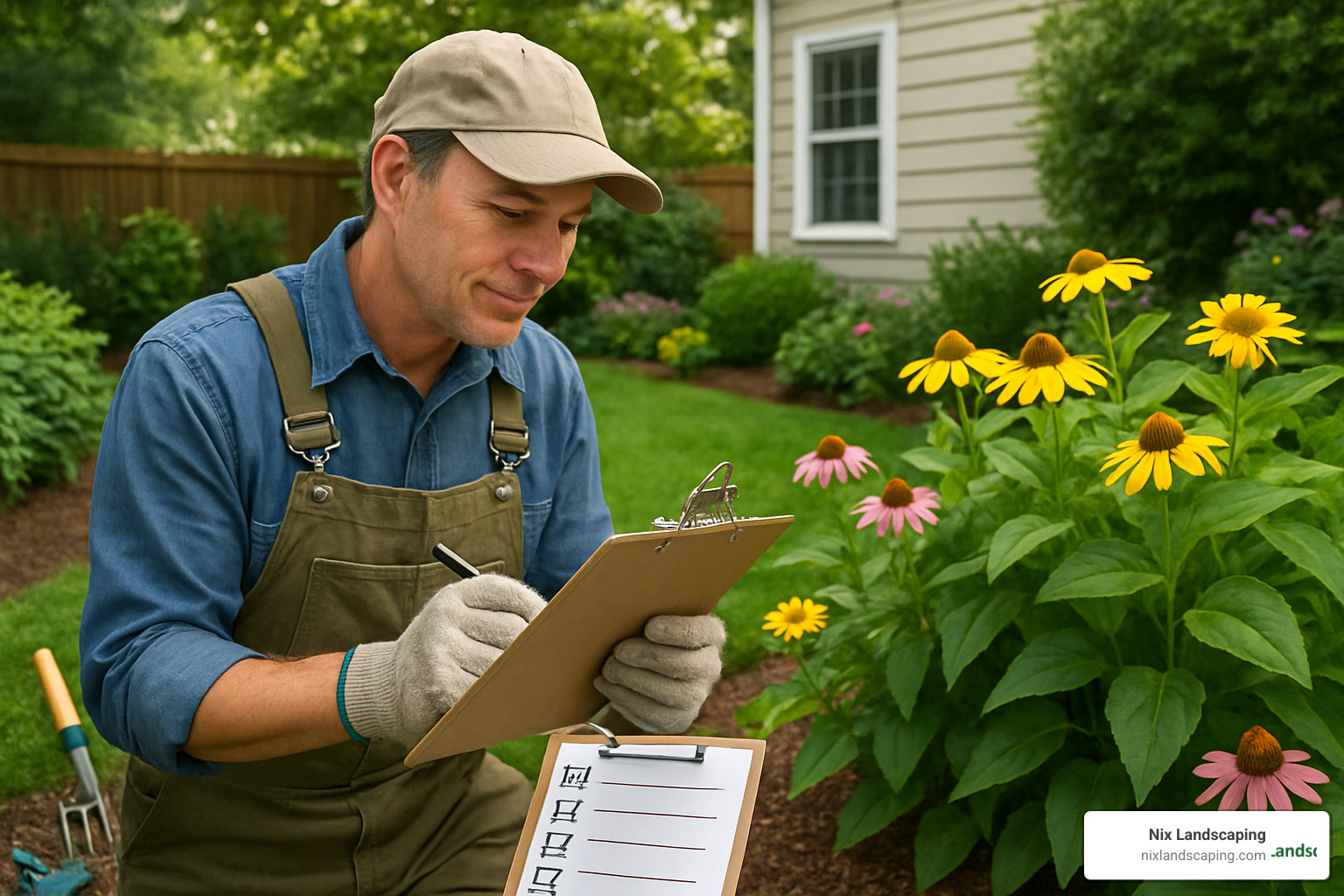
A thriving garden isn’t magic—it’s methodical. Over my years at Nix Landscaping, I’ve seen how a simple checklist approach transforms even the most neglected spaces into neighborhood showpieces.
As BBC Gardeners’ World Magazine wisely puts it, “Mowing is the key to a healthy lawn – each cut encourages the grass to grow more thickly, creating a luxuriant look.” This same principle applies throughout your garden—consistent, thoughtful care creates stronger, healthier plants.
Let me share our tried-and-true garden maintenance tips checklist that’s worked wonders for hundreds of Indiana gardens. The beauty is in its simplicity: watering deeply but infrequently encourages roots to grow downward rather than staying surface-dependent. A good rule of thumb is 1-2 inches weekly, adjusted for rainfall.
Mulching might seem basic, but those 2-3 inches around your plants work overtime—suppressing weeds, retaining moisture, and gradually improving your soil as they break down. I’ve seen gardens transform within a single season just from proper mulching!
Don’t underestimate the power of regular weeding. Those unwanted plants aren’t just unsightly—they’re actively stealing nutrients, water, and sunlight from your garden favorites. A little consistent effort here saves major headaches later.
When it comes to mowing, follow the one-third rule we swear by—never remove more than one-third of grass height in a single session. Your lawn will thank you with thicker, healthier growth.
Deadheading spent flowers might seem fussy, but it’s actually garden efficiency at its finest. By removing faded blooms, you redirect your plant’s energy toward producing more flowers instead of seeds. Ten minutes with pruning shears can mean weeks of additional blooms!
Strategic pruning improves both appearance and health by shaping plants and removing dead or diseased branches. The improved air circulation alone can prevent many common garden problems.
Understanding fertilizing needs takes your garden from surviving to thriving. Different plants need different nutrients at different times—whether you choose slow-release granular fertilizers or liquid feeds, following label instructions prevents waste and potential damage.
Annual soil testing provides the roadmap for your garden’s nutrition plan. This simple step eliminates guesswork and helps you address specific deficiencies before they become problems.
Regular tool care—cleaning and sharpening—not only extends their life but also makes your garden tasks easier and prevents disease spread. I’ve seen clean cuts from sharp pruners heal twice as fast as ragged cuts from dull ones.
And always remember safety first. Proper gloves, eye protection, and appropriate footwear prevent injuries that could sideline your gardening joy.
For more detailed guidance on keeping your outdoor space pristine, our guides on Yard Cleaning Tips and Seasonal Yard Cleanup offer season-specific advice.
Garden Maintenance Tips for Daily & Weekly Tasks
The real secret to a gorgeous garden isn’t backbreaking weekend marathons—it’s consistent, bite-sized efforts. Here’s how to break it down into manageable chunks:
Every morning while enjoying my coffee, I take 5-10 minutes for a quick garden walk. This daily ritual lets me spot pest damage or disease symptoms before they spread. I’ll give any thirsty containers or new plantings a quick drink, pluck obvious weeds before they can set seed, and snip spent blooms as I notice them. Before heading inside, I’ll wipe down any tools I’ve used—a habit that prevents rust and disease transmission.
One Fishers client told me, “Once I started spending just 10 minutes each morning in my garden with my coffee, I caught problems before they became disasters. My garden has never looked better, and I actually spend less time on big cleanup jobs.”
Weekly, set aside 30-60 minutes for more thorough attention. If rainfall has been scarce, give your garden areas a deeper watering. During growing season, mowing becomes a weekly ritual (less frequent in spring and fall). Check your mulch levels in high-traffic areas and replenish as needed. Take time for a more methodical plant inspection, looking under leaves and along stems for early signs of trouble. And don’t forget the finger-knuckle test for soil moisture—insert your finger to the first knuckle, and if it comes out dry, it’s watering time.
Garden Maintenance Tips for Monthly & Quarterly Tasks
Beyond your daily and weekly routines, certain efforts deliver better results when scheduled monthly or quarterly.
Monthly, I recommend fertilizing actively growing plants according to their specific needs. This is also the perfect time to turn your compost pile to speed decomposition—a satisfying task that yields garden gold. As seasons shift, check and adjust irrigation systems to match changing needs. Fast-growing hedges benefit from monthly shaping to maintain their density, and applying preventative treatments keeps seasonal pests at bay.
Every three months, conduct a basic soil test to monitor pH and nutrient levels—this simple step prevents many common garden problems. Refresh your mulch in all beds to maintain that ideal 2-3 inch depth. Take time for a more thorough tool cleaning and sharpening session. Spring and fall are perfect for dividing overcrowded perennials, giving them room to breathe and flourish. Use this quarterly pause to assess your overall garden design and plan for any significant changes.
A retired teacher in Fishers who uses our maintenance services shared this wisdom: “Breaking down garden tasks into daily, weekly, monthly, and seasonal jobs makes it all manageable. I no longer panic when I look at my garden—I just check my schedule and do what’s next.”
At Nix Landscaping, we’ve found that a simple calendar approach transforms overwhelming garden chores into satisfying rituals that improve rather than exhaust. Your garden becomes a source of joy rather than another responsibility on your to-do list.
Watering, Soil & Feeding Essentials
Water and nutrients are the lifeblood of your garden. Understanding how to provide these essentials efficiently can make the difference between plants that merely survive and those that truly thrive.
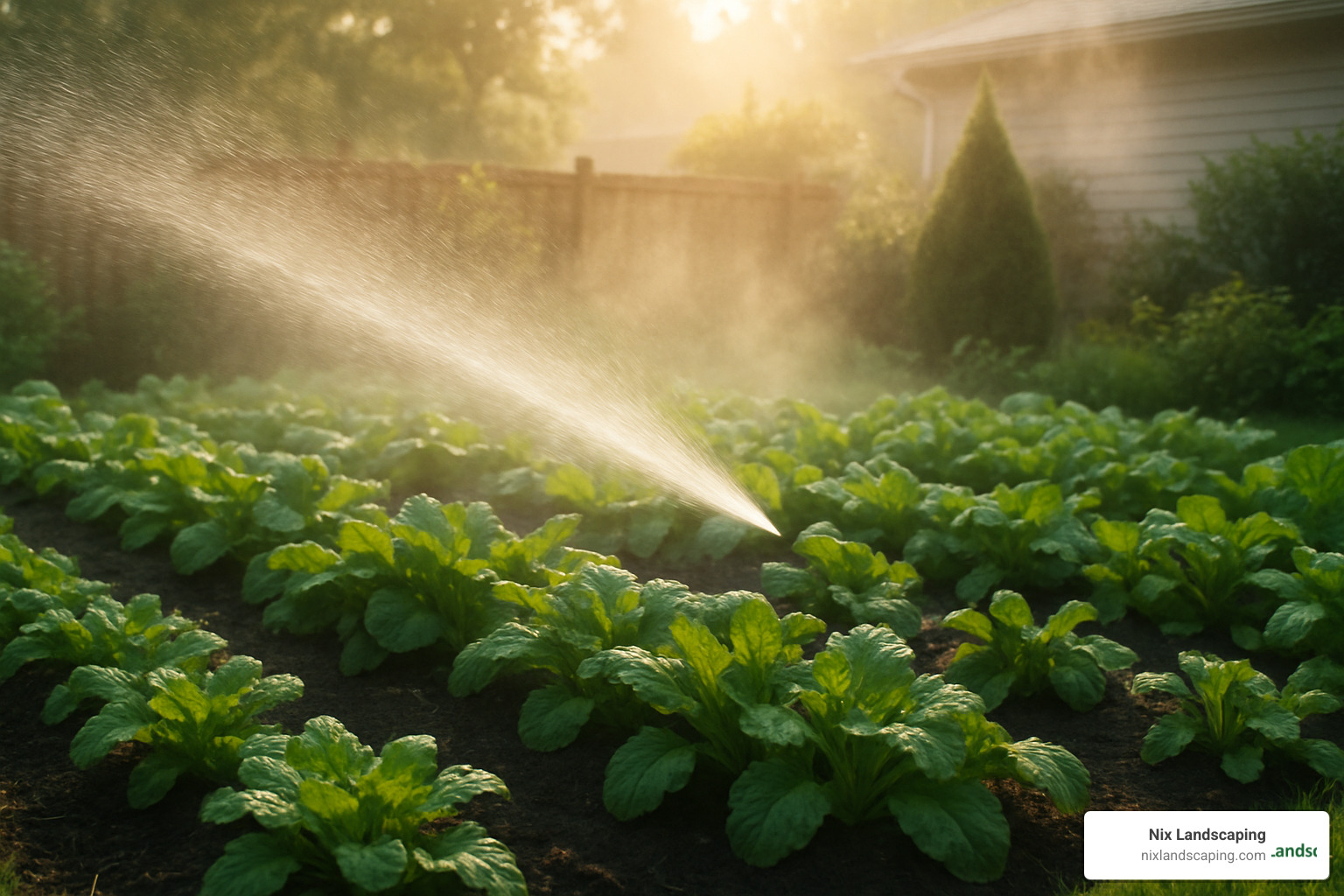
When it comes to watering, the golden rule is “deep but infrequent.” Most garden plants benefit from receiving 1-2 inches of water per week, either from rainfall or supplemental irrigation. This encourages roots to grow deeper into the soil, making plants more resilient during dry periods.
“Well-watered plants produce more nectar in their flowers, so watering your plants regularly is better for bees and other pollinators, especially in hot weather,” notes research from the Royal Horticultural Society. This highlights how proper watering benefits not just your plants but the entire garden ecosystem.
Soil quality is equally important. The best soil structure is crumbly, easy to dig, readily accepts water, and loose enough to provide oxygen for plant roots. If your soil is heavy clay or sandy, amending it with organic matter like compost can dramatically improve its structure and fertility.
For feeding plants, remember this formula from our experience at Nix Landscaping: “Amazing soil + top-notch plant food = super garden success!” Plants need three primary nutrients: nitrogen (N) for leaf growth, phosphorus (P) for root development, and potassium (K) for flower and fruit production.
For more in-depth information on garden care fundamentals, visit our guide on Beginner Gardening or check out Scientific research on optimal irrigation.
Efficient Irrigation Garden Maintenance Tips
Water is a precious resource, and using it efficiently in your garden benefits both your plants and the environment. Early morning watering (between 5-9 AM) reduces evaporation and allows foliage to dry during the day, preventing fungal diseases. As one Fishers client told me with a smile, “Switching to morning watering alone reduced my water bill by 15% and my plant disease issues by half.”
Always apply water to the soil, not the leaves. Direct water at the base of plants ensures it reaches the roots where it’s needed most, while wet foliage can become a breeding ground for disease. Before you reach for the hose, try the finger-knuckle test – push your finger about an inch into the soil, and if it feels dry at your first knuckle, it’s time to water.
Consider installing drip irrigation or soaker hoses for efficient watering. These systems deliver water directly to the soil at a slow rate that reduces runoff and evaporation. I’ve seen gardens transform after switching to drip systems – they typically use up to 50% less water than sprinklers while providing more consistent moisture to plants.
Don’t overlook the value of collecting rainwater in barrels placed under downspouts. This free resource is perfect for garden irrigation and contains no chlorine or other treatment chemicals that can accumulate in soil over time. For extremely dry soil, try a two-stage watering technique – water lightly first to moisten the surface, wait 30 minutes, then water deeply to help the water penetrate rather than run off.
Creating hydrozones by grouping plants with similar water needs ensures that no plant gets too much or too little water. This simple planning step can dramatically reduce water waste while keeping all your plants happy.
Fertilizing for Peak Plant Health
Proper fertilization provides your plants with the nutrients they need for optimal growth, flowering, and fruiting. Understanding NPK ratios is your first step toward fertilizing success. Those three numbers on fertilizer packages (like 10-10-10) represent the percentage of nitrogen (N), phosphorus (P), and potassium (K). Choose high nitrogen for leafy growth, high phosphorus for root development and flowering, and high potassium for overall plant health and fruit production.
Following a feeding schedule helps ensure your plants get nutrients when they need them most. Most plants benefit from fertilization in spring when growth begins, with follow-up applications as needed throughout the growing season. Lawns typically need feeding in early spring, early summer, and fall, while flowering perennials do best with applications in early spring and after their first bloom cycle.
Consider organic options like compost, well-aged manure, fish emulsion, and seaweed extracts. These provide nutrients while improving soil biology. One of my favorite clients in Fishers shares: “Since switching to organic fertilizers, my garden not only looks healthier but also seems more resilient to pests and weather extremes.”
Slow-release formulations are worth their slightly higher cost. They provide a steady supply of nutrients over time rather than a quick burst that can burn plants or leach away in rainwater. For a simple DIY organic fertilizer, mix 1 tablespoon each of fish emulsion, seaweed extract, and molasses per gallon of water for a balanced feed that supports soil microbes.
Remember to avoid fertilizing during drought – plants can’t effectively use nutrients when they’re water-stressed, and fertilizer can actually damage drought-stressed roots. And perhaps most importantly, don’t overfeed! More is definitely not better with fertilizer. Excess nutrients can harm plants and pollute waterways. Always follow package directions for application rates.
At Nix Landscaping, we’ve seen dramatic improvements in gardens where owners master these watering and feeding basics. The vibrant colors, abundant blooms, and robust growth that result from proper irrigation and fertilization make all the difference between an ordinary yard and an extraordinary garden sanctuary.
Pruning, Lawn & Container Care Made Easy
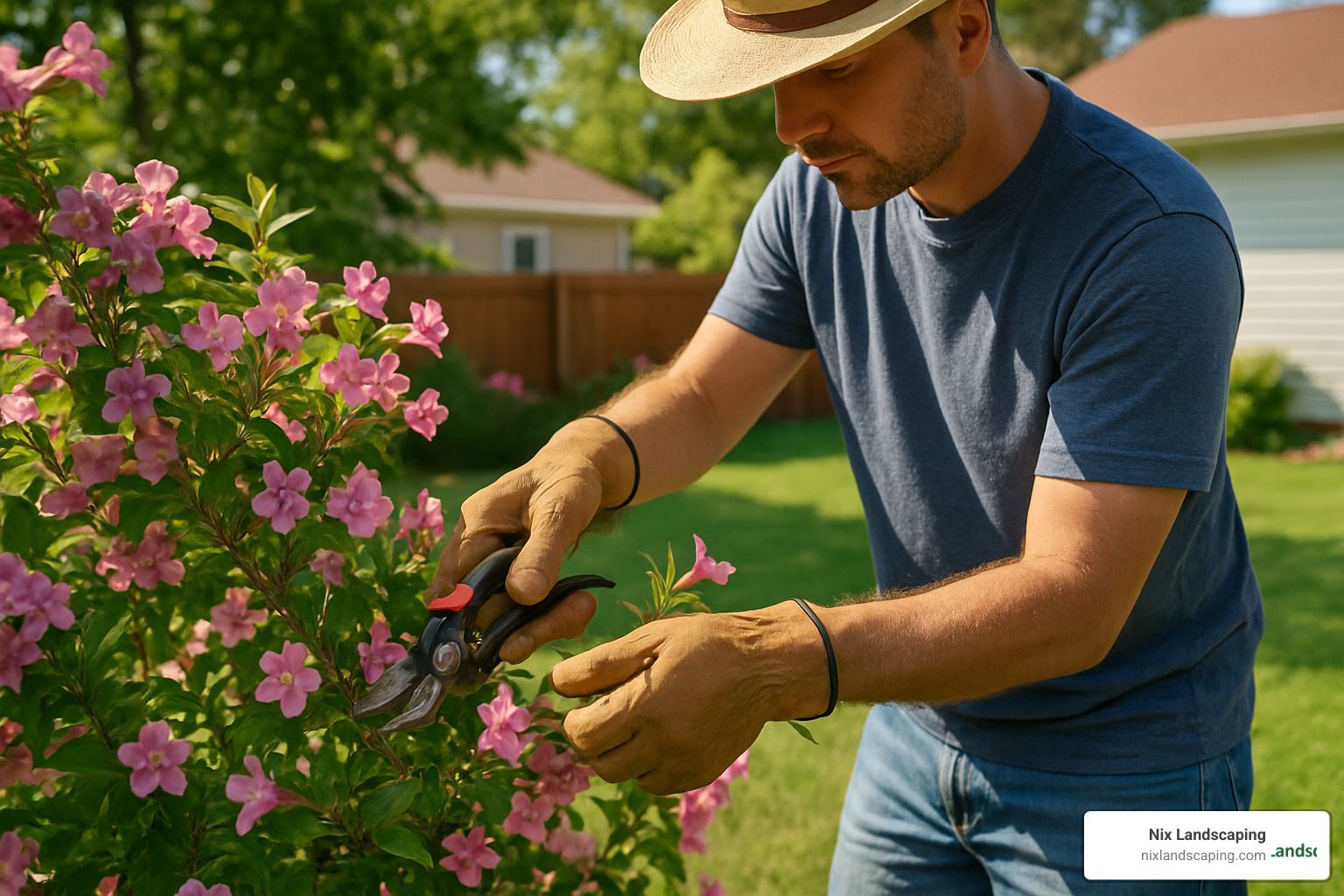
Let’s face it—pruning shrubs, mowing lawns, and caring for container plants can feel a bit overwhelming if you’re new to gardening. The good news? These tasks are far more approachable than they seem once you understand the basics.
I’ve seen countless clients go from nervous first-time pruners to confident garden caretakers after just a little guidance. As the Royal Horticultural Society reassuringly puts it, “Many new gardeners are daunted by pruning, but it isn’t difficult or complicated.” With proper timing and technique, you’ll soon find pruning to be one of the most satisfying garden activities.
Your lawn serves as the canvas for your entire landscape. When maintained properly, it creates a beautiful backdrop that makes your flower beds and trees really pop. BBC Gardeners’ World Magazine points out that “Mowing encourages grass to grow more thickly, blocking out weeds and increasing wear resistance.” A healthy lawn isn’t just pretty—it’s also more resilient and requires less intervention over time.
For those with limited space or poor soil, container gardening offers endless possibilities. Garden guru Monty Don offers this practical advice: “Group plants in large pots or use raised planters instead if you have little or no garden soil—big pots are easier to look after than small ones because they need less watering.” This simple tip can make container gardening substantially more manageable.
Ready to improve your lawn care techniques? Our friends at Gardeners’ World offer an excellent guide on How to mow a lawn. And if you’re gearing up for the growing season, check out our detailed Garden Clean Up Spring article for a comprehensive approach.
Deadheading vs Pruning: What’s the Difference?
Many gardeners use these terms interchangeably, but they’re actually distinct practices with different purposes. Understanding the difference will help you give your plants exactly what they need.
Deadheading is like giving your plants a quick haircut. It involves removing spent flowers before they form seeds, and it’s one of my favorite garden maintenance tips because it’s so immediately rewarding. When you deadhead regularly, you’ll notice your petunias, zinnias, and many other flowers bloom longer and more abundantly.
“Deadheading tricks the plant into thinking it needs to produce more,” as one gardening expert aptly puts it. The technique couldn’t be simpler—just pinch or snip off faded blooms just above the next set of healthy leaves. Your plants will redirect their energy from seed production back into creating more beautiful flowers.
Pruning, on the other hand, is more like giving your plants a strategic makeover. It involves more substantial cutting to shape plants, remove dead or diseased branches, and improve overall plant health. When you prune correctly, you’re essentially communicating with your plant about how you’d like it to grow.
“Pruning fruit trees allows for better fruit yield and shape,” notes a professional arborist I often collaborate with. By removing certain branches, you improve air circulation, which reduces disease risk, and you direct the plant’s energy to the most productive areas.
When I’m teaching clients about pruning, I always emphasize the importance of timing. Spring-flowering shrubs like lilacs and forsythia should be pruned right after they finish blooming, while summer-flowering plants like hydrangeas generally prefer pruning in late winter or early spring. Using clean, sharp tools is equally important—they make clean cuts that heal quickly and reduce the risk of disease.
Lawn Care 101
A beautiful lawn doesn’t happen by accident, but it doesn’t need to consume your weekends either. At Nix Landscaping, we’ve refined lawn care to a science that any homeowner can master.
The most important garden maintenance tip for lawns is what I call the “one-third rule”—never remove more than one-third of the grass blade in a single mowing. When you cut too much at once, you stress the grass and create an opening for weeds to establish. This simple principle makes a tremendous difference in lawn health.
Height matters too! Most residential lawns in central Indiana thrive when maintained between 2.5–4 cm (1–1.5 inches) tall. For areas that see heavy foot traffic, I recommend keeping the grass slightly taller at 4–5 cm to improve resilience. And for those shady spots under trees? Let the grass grow to 7–8 cm to maximize photosynthesis with limited sunlight.
Timing can make or break your mowing results. I always advise clients to mow only when the grass is dry—wet grass clumps together, creates an uneven cut, and can spread fungal diseases. Plus, mowing wet grass is just plain messy!
One practice that’s transformed many of our clients’ lawns is changing the mowing direction about once a month. This prevents soil compaction from wheel ruts and encourages grass to grow upright rather than leaning in one direction.
What about those grass clippings? Unless they’re excessively long, leave them right on the lawn! They quickly break down and return valuable nutrients to the soil—it’s like giving your lawn a light feeding every time you mow. As one delighted client in Fishers told me, “After implementing Nix Landscaping’s lawn care recommendations, my neighbors started asking what lawn service I was using. They were surprised to learn I was maintaining it myself with just a few simple techniques!”
For more creative approaches to maintaining your outdoor space, browse our collection of Yard Maintenance Ideas.
Container & Raised-Bed Upkeep
Container gardens and raised beds bring gardening within reach for everyone—even those with limited space, poor soil, or physical limitations. These controlled environments offer tremendous advantages, but they do have specific maintenance needs.
For container gardens, size really does matter. I always steer clients toward larger pots (at least 12 inches in diameter) because they create a more stable environment for plants. As Monty Don wisely notes, “Big pots are easier to look after than small ones because they need less watering.” The larger soil volume acts as a buffer against temperature fluctuations and drying out, giving you more wiggle room in your care routine.
The soil you use makes all the difference in containers. Regular garden soil is far too dense and will suffocate plant roots. Instead, use a quality potting mix specifically formulated for containers. Many now include moisture-control properties that provide the perfect balance of drainage and water retention.
Watering is the most critical garden maintenance tip for container gardens. Unlike in-ground plantings, potted plants can’t send their roots deeper in search of moisture. During hot summer days, you may need to water once or even twice daily. I recommend doing the finger test—stick your finger about an inch into the soil, and if it feels dry, it’s time to water.
Feeding container plants regularly is essential since nutrients wash out with each watering. I like to use a slow-release fertilizer at planting time, then supplement with liquid fertilizer every 2-4 weeks during the growing season.
Raised beds combine the best of both worlds—the controlled environment of containers with the larger growing space of traditional gardens. For optimal results, fill them with a blend of compost, vermiculite or perlite, and peat moss to create a light, fertile growing medium.
One often-overlooked aspect of raised bed maintenance is maintaining proper soil depth. Over time, the soil settles and compacts, so adding fresh compost annually keeps the nutrient levels high and the soil at the proper height.
I’m particularly fond of drip irrigation for raised beds. These systems deliver water directly to plant roots with minimal waste and can be connected to timers for consistent, hands-off watering.
A Fishers homeowner who came to us with mobility concerns shared this experience: “Switching to raised beds has transformed my gardening experience. I can tend my vegetables without bending or kneeling, and the controlled environment means fewer weeds and pests.” It’s wonderful to see how the right gardening setup can extend the joy of growing things to everyone, regardless of physical limitations.
Winning the War on Weeds, Pests & Diseases While Supporting Wildlife
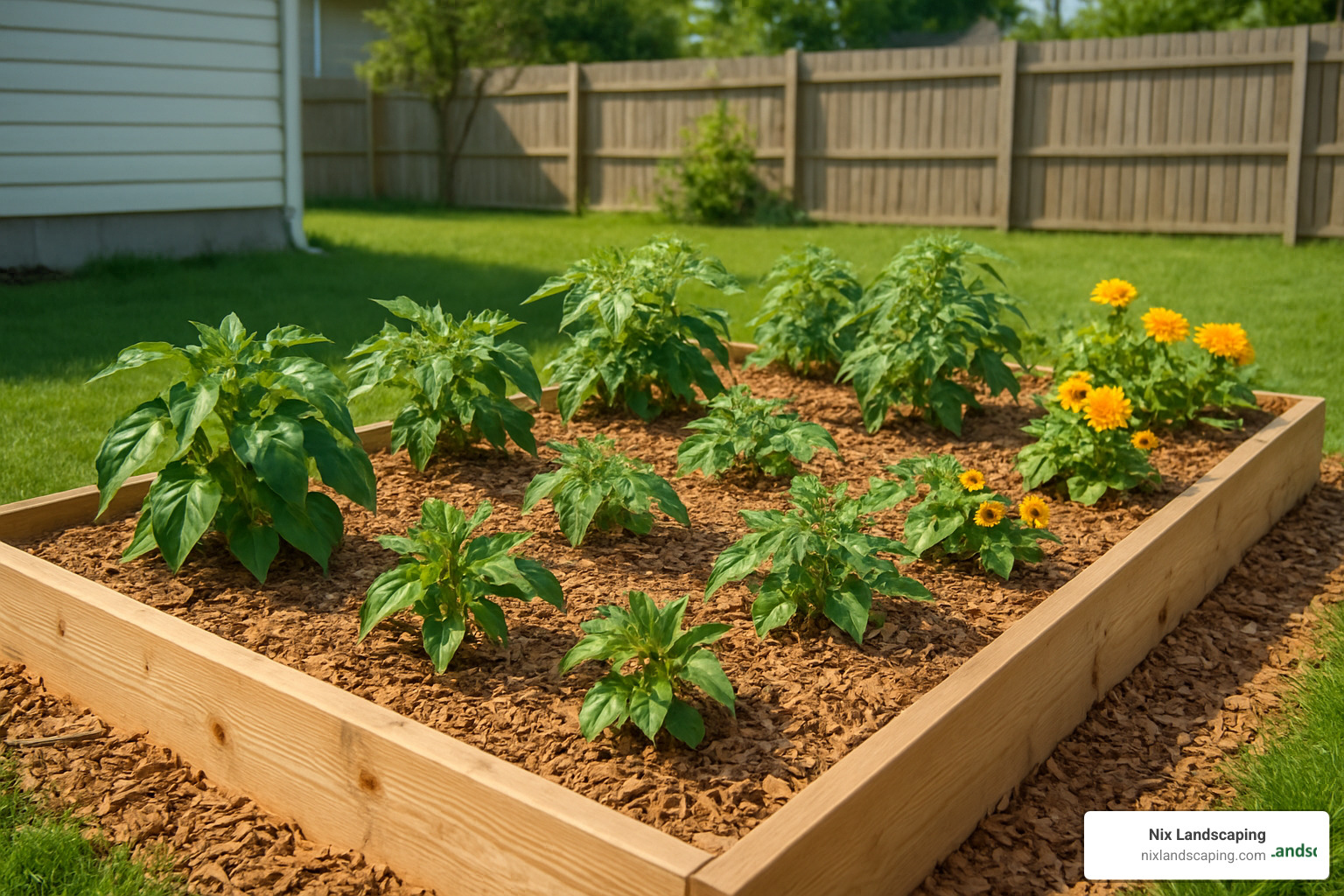
Every gardener knows the feeling—you turn your back for a week, and suddenly unwelcome visitors have moved in. Whether it’s dandelions popping up in your lawn or aphids enjoying your roses a bit too much, these garden challenges are part of the journey. But don’t worry! At Nix Landscaping, we’ve learned that with the right approach, you can manage these issues while still creating a haven for beneficial wildlife.
I remember visiting a client in Fishers who was ready to give up on gardening altogether after fighting an endless battle with weeds. “I feel like I’m losing the garden war,” she sighed. Six months after implementing our strategies, she was sending us photos of butterflies visiting her now-thriving garden. The secret wasn’t more chemicals—it was smarter prevention.
The Royal Horticultural Society has found that “adding mulch to gardens makes it hard for unwanted weeds to access sunlight or to grow through the layer of mulch.” This simple practice illustrates perfectly how prevention beats reaction every time in garden maintenance.
We’ve developed an integrated approach that minimizes chemical interventions while effectively managing potential problems. This balanced strategy not only creates a healthier garden ecosystem but also supports the pollinators and beneficial insects that make your garden thrive.
As one observant gardening expert points out, “Well-watered plants produce more nectar in their flowers, so watering your plants regularly is better for bees and other pollinators, especially in hot weather.” This highlights how even basic garden maintenance tips like proper watering serve multiple purposes—keeping your plants healthy while supporting wildlife.
For seasonal guidance on preparing your garden for winter and reducing pest pressure, check out our comprehensive guide to Fall Garden Clean Up.
Weed Prevention & Control Strategies
The best gardeners know that preventing weeds is far easier than removing established ones. Think of weeds as opportunists—they’re just waiting for a patch of bare soil or a garden that’s not being actively maintained.
Dense planting is one of your strongest defenses. When desirable plants grow closely together, they shade the soil and leave little room for weeds to establish. I’ve seen dramatic results in gardens where we’ve switched from sparse plantings to fuller designs—weed problems reduced by as much as 70% in the first season alone.
Mulching properly makes a tremendous difference too. A 2-3 inch layer of organic mulch like shredded bark or leaves not only suppresses weeds but improves soil health as it breaks down. One client in Fishers told me, “After applying the mulch as you suggested, I spend about 75% less time weeding than before. It’s been life-changing for my weekends!”
Timing matters when it comes to weed removal. Pull weeds when the soil is moist after rain or irrigation—you’ll get the entire root more easily, and the soil will suffer less disruption. Making this a quick part of your regular garden routine prevents small problems from becoming overwhelming.
Preventing seed production is crucial for long-term weed control. A single dandelion can produce up to 15,000 seeds that remain viable in soil for years! By removing weeds before they flower and set seed, you’re stopping thousands of future weeds.
For those looking for natural solutions, corn gluten meal works as a pre-emergent herbicide when applied at the right time in spring. It won’t kill existing weeds, but it can prevent new ones from germinating, making it particularly useful in established beds.
Eco-Friendly Pest & Disease Management
When it comes to pests and diseases, knowledge truly is power. Identifying the issue correctly before taking action ensures you’re not harming beneficial insects or applying treatments that won’t work.
I’ll never forget visiting a garden where the owner was spraying for aphids, only to find they were actually destroying a colony of aphid-eating ladybug larvae! Taking a moment to properly identify garden visitors can save you time, money, and prevent unnecessary harm to helpful creatures.
Cultural practices offer your first line of defense. Proper plant spacing improves air circulation, reducing many fungal diseases. Watering in the morning allows foliage to dry quickly, preventing the moist conditions that many pathogens love. One Fishers homeowner shared: “I was ready to give up on growing tomatoes after years of disease problems. After implementing better spacing and morning watering, I had my best harvest ever without using any fungicides.”
Encouraging beneficial insects creates a natural pest control system in your garden. Ladybugs, lacewings, and parasitic wasps naturally control many common garden pests. Plants like dill, fennel, and cosmos attract these helpful predators. In my own garden, a border of flowering herbs has dramatically reduced pest problems on nearby vegetables.
For organic control, neem oil, insecticidal soap, and horticultural oil effectively manage many pests while having minimal impact on beneficial insects when used correctly. Always apply these in the evening when pollinators are less active.
Remember to remove diseased plant material promptly and dispose of it in the trash (not your compost). This simple step prevents diseases from spreading and overwintering in your garden.
Creating a Pollinator Paradise
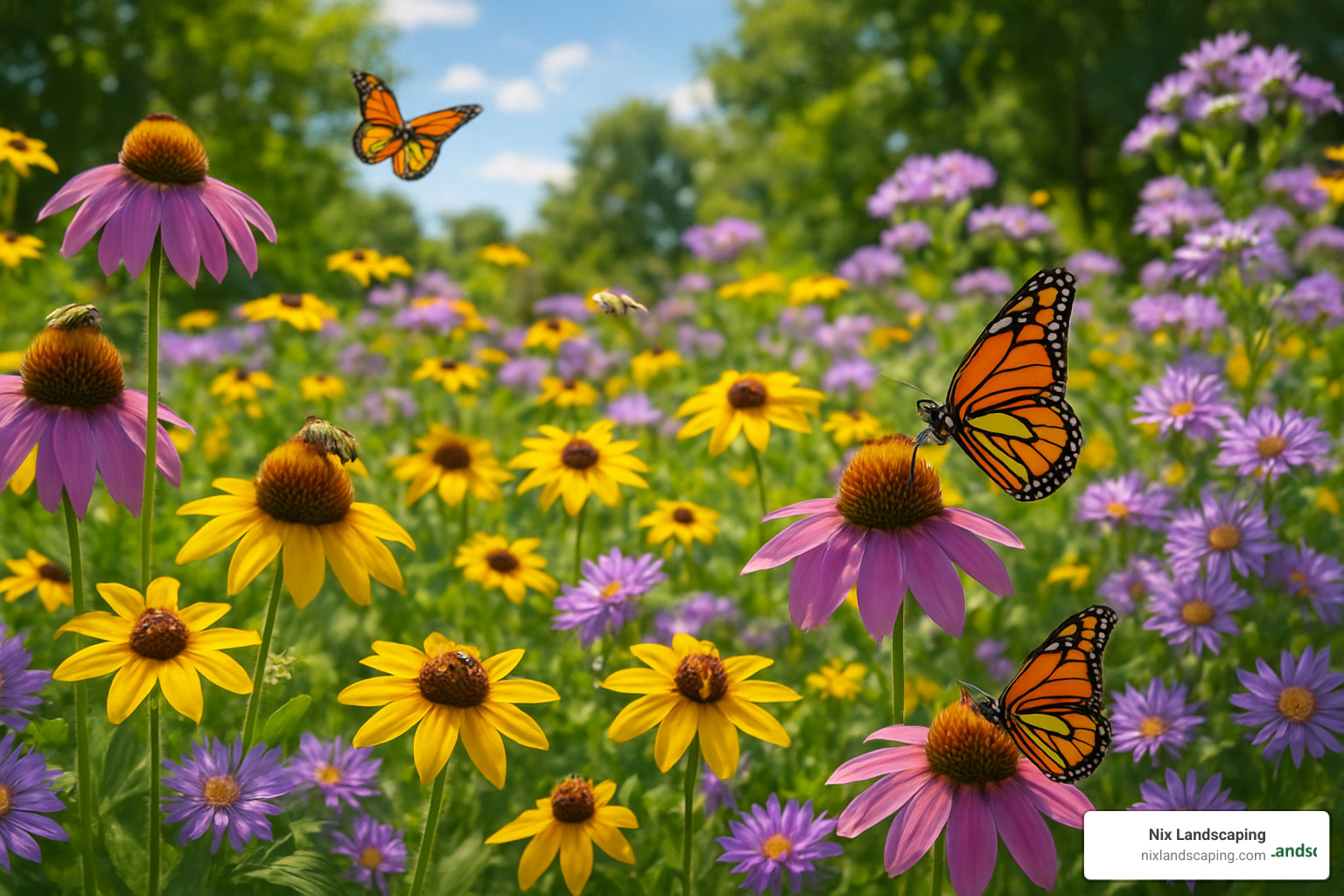
Creating a garden that buzzes with life isn’t just good for the environment—it makes your outdoor space more vibrant and productive. I’ve watched countless clients’ faces light up the first time they see monarch butterflies visiting their milkweed or hummingbirds darting among their salvias.
Native plants form the backbone of any pollinator garden. These plants have co-evolved with local pollinators and often provide the best nectar and pollen sources. In central Indiana, purple coneflower, black-eyed Susan, and native asters are excellent choices that thrive in our climate while supporting local wildlife.
Planning for continuous bloom throughout the growing season ensures pollinators always find food in your garden. Think of it as setting a year-round table for your winged guests. Early spring bulbs, summer perennials, and late-blooming asters create an unbroken chain of nourishment from March through October.
Different pollinators prefer different types of flowers. Tubular blooms like foxglove and penstemon attract hummingbirds, while flat, daisy-like flowers are perfect landing pads for butterflies and bees. Including a variety of flower shapes maximizes the diversity of visitors to your garden.
Don’t forget to provide water sources for your garden visitors. A simple shallow dish with stones for landing spots gives pollinators access to needed water. I change mine every few days to prevent mosquito breeding—it takes less than a minute but makes a huge difference to thirsty bees on hot summer days.
Creating habitat areas completes your pollinator paradise. Leave some areas of bare soil for ground-nesting bees, and consider installing bee houses for cavity-nesting species. Even leaving some leaf litter in out-of-the-way garden corners provides valuable overwintering habitat for many beneficial insects.
A Fishers client who implemented these suggestions reported: “The change was amazing. Within one season, my garden went from having occasional butterfly visitors to being constantly abuzz with pollinators. My vegetable garden’s productivity increased noticeably, especially for squash and cucumbers that depend on bee pollination.”
By combining these garden maintenance tips for weed prevention, pest management, and pollinator support, you’ll create a garden that’s not only beautiful and productive but also contributes to a healthier environment. And isn’t that what gardening is really all about?
Conclusion & Next Steps
Throughout this guide, we’ve covered essential garden maintenance tips that can transform your outdoor space from a source of stress to a source of joy. From daily quick checks to seasonal deep dives, proper garden maintenance is about working smarter, not harder.
The key to successful garden maintenance lies in consistency and observation. As we like to say at Nix Landscaping, “The best fertilizer is the gardener’s shadow.” Your regular presence in the garden allows you to catch small issues before they become big problems.
Remember the most important garden maintenance tips we’ve covered: Water deeply but infrequently to encourage strong root systems. Apply mulch to suppress weeds and conserve moisture. Prune and deadhead regularly to encourage healthy growth and more blooms. Keep your lawn at the proper height with sharp mower blades. Feed plants appropriately based on their specific needs. Take an integrated, eco-friendly approach to managing weeds, pests, and diseases. And don’t forget to support pollinators and beneficial wildlife through thoughtful planting and maintenance.
Now comes the fun part—personalizing these guidelines for your unique garden conditions. Every landscape has its own microclimate, soil conditions, and plant selections. Take time to observe what works best in your space. Does that corner of your yard stay wetter than the rest? Do certain plants thrive while others struggle? Use these observations to adjust your maintenance routine accordingly.
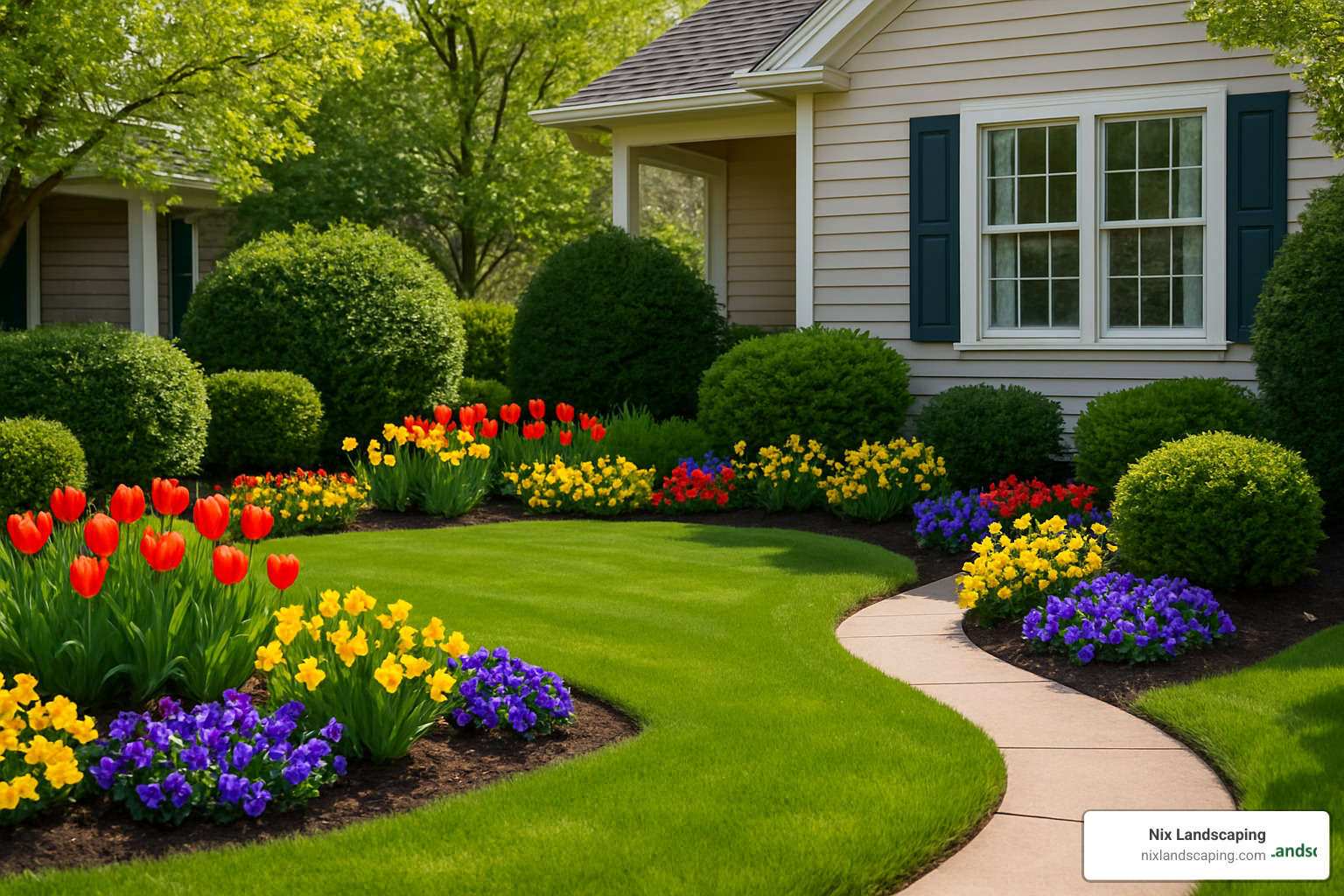
For folks in the Fishers area who’d like a helping hand with garden design, installation, or maintenance, our team at Nix Landscaping is ready to help. We believe gardens should be enjoyed, not endured. Our personalized approach ensures that your outdoor space not only looks beautiful but is also sustainable and manageable for years to come.
One of our clients recently told me, “Working with Nix Landscaping changed my relationship with my garden. What used to feel overwhelming is now a source of pride and enjoyment. Their maintenance plan made all the difference.” Hearing stories like this is why I love what I do.
To learn more about our comprehensive landscaping services, including design, installation, and ongoing maintenance, visit More info about our landscaping services.
A beautiful garden is a journey, not a destination. With these garden maintenance tips and a bit of regular attention, your outdoor space will continue to evolve and improve season after season. The garden you create today will reward you with beauty, tranquility, and maybe even some delicious homegrown produce for years to come.
So grab those gardening gloves, head outside, and remember—the time you spend maintaining your garden isn’t just about the plants. It’s about creating a space where memories are made, stress melts away, and nature’s beauty comes right to your doorstep.

