
Why Garden Maintenance Matters for Your Outdoor Space
General garden maintenance tips are essential for keeping your outdoor space healthy, beautiful, and valuable year-round. Whether you’re dealing with wilting plants in Indiana’s hot summers or trying to keep weeds from taking over your flower beds, consistent care makes all the difference.
Essential Garden Maintenance Tasks:
- Water deeply 1-2 times per week rather than daily light watering
- Mulch annually with 3 inches of organic material to suppress weeds
- Deadhead spent flowers regularly to encourage new blooms
- Prune spring-flowering shrubs immediately after they bloom
- Hand-weed weekly or use organic barriers to prevent competition
- Inspect plants regularly for pests like aphids and spider mites
- Feed container plants more frequently than in-ground plants
The truth is, a well-maintained garden doesn’t just look good – it actually saves you time and money in the long run. As one expert notes, “proper garden care can increase the quality and longevity of your plants, fruits, and veggies.”
When you stay on top of basic tasks like watering, weeding, and pruning, you prevent bigger problems that cost more to fix later. Plus, your property value gets a nice boost from great curb appeal.
I’m Kyle Nix, owner of Nix Landscaping here in Fishers, Indiana, and I’ve spent years helping homeowners transform their outdoor spaces through smart general garden maintenance tips and professional landscape design. My hands-on experience has taught me that the best gardens combine practical maintenance with thoughtful planning – and that’s exactly what we’ll cover in this guide.

General garden maintenance tips further reading:
The Foundation of a Healthy Garden: Soil, Water, and Mulch
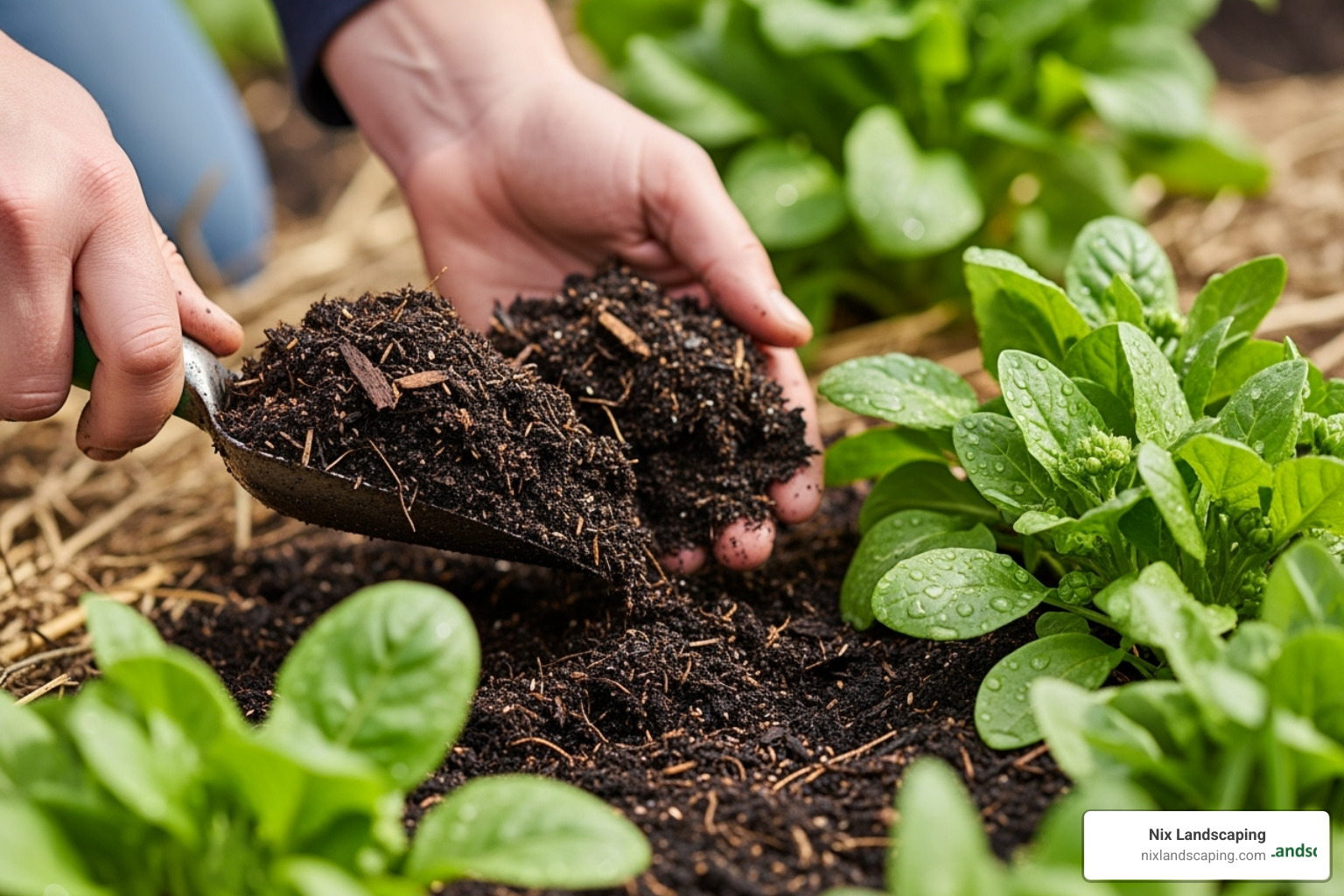
Every successful garden is built on a solid foundation of three elements: healthy soil, proper watering, and strategic mulching. These aren’t just tasks; they’re the building blocks that make all other general garden maintenance tips effective. Here in Fishers, Indiana, getting these basics right transforms struggling patches into flourishing landscapes. When the foundation is solid, everything from pest control to pruning becomes easier.
Watering Wisely: General Garden Maintenance Tips for Hydration
Proper watering is critical, especially during Indiana’s brutal summers, but more water isn’t always the answer.
Deep watering is your secret weapon. Instead of a quick daily sprinkle, aim for thorough, less frequent sessions. Most in-ground plants thrive with 1 to 2 inches of water per week, delivered in one or two sessions. This encourages deeper roots, making plants more resilient to dry spells.
Timing matters more than you think. The best time to water is in the morning hours, when evaporation is minimal and plants can soak up moisture before the day heats up. If morning isn’t possible, late afternoon works too. Just avoid evening watering unless absolutely necessary, as wet leaves sitting overnight can invite fungal diseases.
For maximum efficiency, consider drip irrigation or soaker hoses. These systems deliver water slowly and directly to the root zone, eliminating waste and ensuring deep soil penetration. They’re especially valuable during our sweltering summer months.
Container plants are a different beast entirely. Their restricted root systems and limited soil volume mean they dry out much faster than in-ground plants. During hot weather, they often need daily watering. Just ensure containers have proper drainage, as waterlogged roots are as deadly as drought-stressed ones.
Seedlings and newly planted specimens have small root systems and require more frequent watering until established.
For extreme weather conditions, which are common in Indiana, water crystals and re-wetting granules can be game-changers. Water crystals act like tiny reservoirs, releasing moisture as needed, while re-wetting granules help water penetrate compacted soil to reach the roots.
The Magic of Mulch
Mulch is one of the most effective tools in gardening. A 3-inch layer of organic mulch, such as aged leaves or shredded wood chips, can solve multiple problems at once.
Weed suppression is mulch’s most obvious superpower. By blocking sunlight and creating a physical barrier, mulch prevents most weed seeds from sprouting, which means less time pulling unwanted plants.
Moisture retention is where mulch really shines, especially during our hot Indiana summers. It dramatically reduces evaporation from the soil surface, meaning you’ll water less frequently while keeping plants happier.
Temperature regulation is another huge benefit. Mulch keeps soil temperatures consistent, protecting delicate roots from scorching heat in summer and insulating them during winter cold snaps.
As organic mulches break down, they continuously feed your soil, adding nutrients and improving soil structure. It’s like a slow-release fertilizer that works 24/7.
| Mulch Type | Benefits | Considerations |
|---|---|---|
| Organic Options | ||
| Shredded Leaves | Free, improves soil, excellent moisture retention | May blow away if not properly aged, needs annual replenishing |
| Wood Chips | Long-lasting, superior weed suppression | Can temporarily tie up nitrogen, may need occasional topping |
| Inorganic Options | ||
| Gravel/Stone | Permanent solution, excellent drainage, decorative appeal | No nutritional value, can overheat soil, difficult to remove later |
When applying mulch, aim for 2-4 inches deep, but keep it several inches away from plant stems and tree trunks to prevent rot and pest problems. Think of it as giving your plants a cozy blanket that doesn’t quite touch their skin.
The beauty of focusing on soil health, smart watering, and proper mulching is that these general garden maintenance tips create a foundation where plants naturally thrive. When your garden’s basics are solid, you’ll spend less time fighting problems and more time enjoying the fruits of your labor.
Active Care: Essential General Garden Maintenance Tips
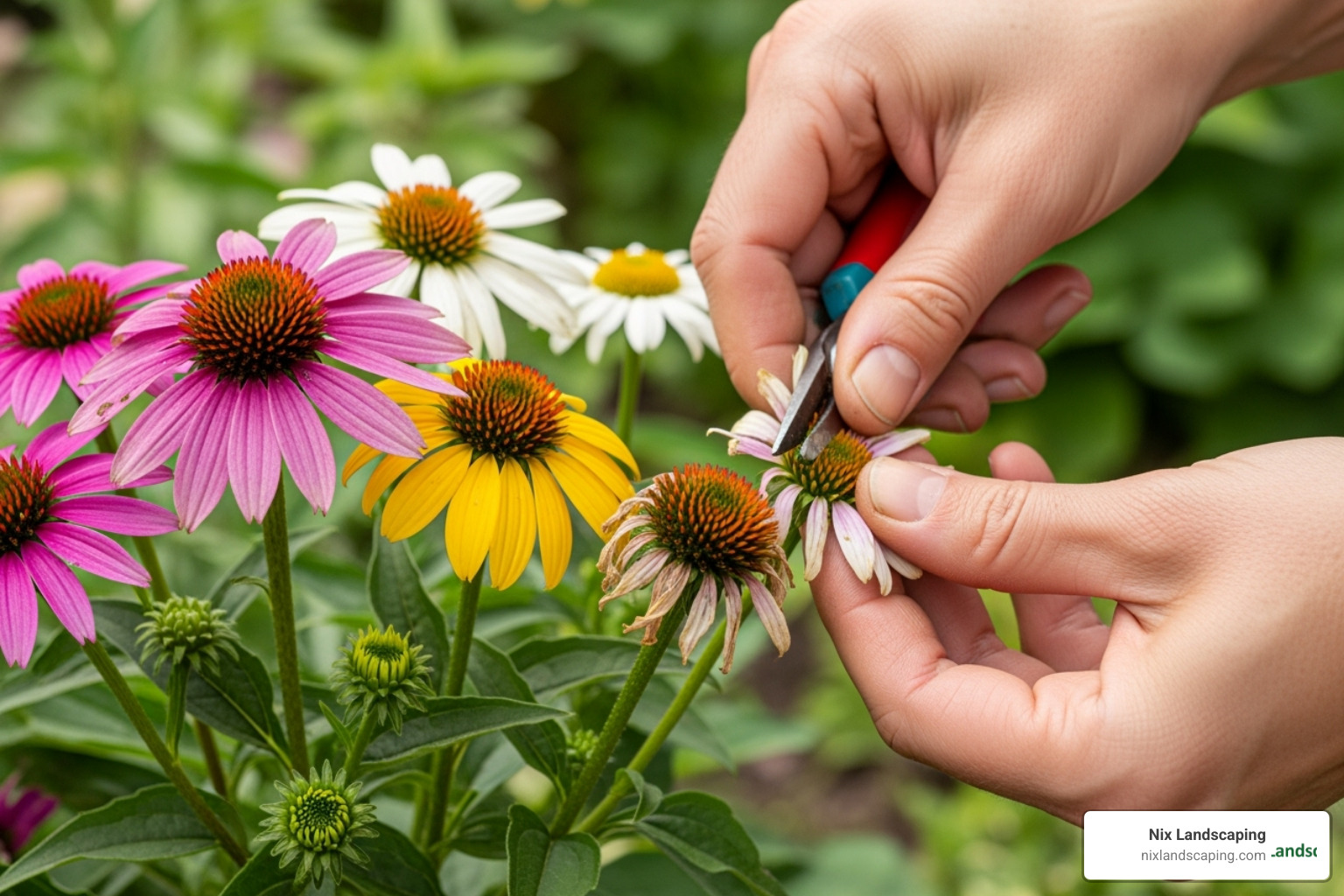
With a solid foundation, it’s time for the hands-on care that makes plants shine. These general garden maintenance tips for active care—pruning, deadheading, weeding, and pest control—are like regular health checkups for your garden. Consistent attention yields dramatic results, and these tasks can be surprisingly satisfying.
Pruning and Deadheading for Vigorous Growth
Deadheading, or removing spent flowers, redirects a plant’s energy from seed production to creating more blooms, extending the flowering season. For bulbs like tulips and daffodils, this is crucial for sending energy back to the bulb for next year’s show. Make it a habit to deadhead often during your weekly garden stroll.
Pruning goes beyond removing spent flowers; it’s about shaping plants, encouraging healthy growth, and preventing problems. The timing makes all the difference.
Spring-flowering shrubs like lilacs and forsythia should be pruned immediately after their blooms fade, since they set next year’s flower buds on this year’s growth. Pruning too late means removing next spring’s flowers.
For late-flowering plants that bloom after June, March and April are the best pruning months. During the dormant season (late November to early March), you can tackle more significant pruning, but never remove more than 25% of a plant in one session.
Removing dead or diseased branches should happen whenever you spot them. Dead wood often has a different color, and removing it immediately prevents disease from spreading and improves air circulation.
Winning the War on Weeds and Pests
Weeds are garden bullies, stealing water and nutrients from your plants. Summer warmth accelerates weed growth dramatically, and in Fishers, they can take over a flower bed in weeks.
The most effective approach is often hand-weeding and hoeing. Use a good weeding trowel to get to the roots, and tackle weeds when they’re young, before they set seed.
Organic weed barriers also work wonderfully. Dense planting naturally crowds out weeds by leaving less space and light for them to establish.
Pests like aphids and spider mites thrive in the hot, dry conditions of Indiana summers. The key is catching problems early through regular inspection.
Inspecting new plants before adding them to your garden is crucial. One infected plant can quickly become a garden-wide problem.
Neem oil works well against soft-bodied pests like aphids, and companion planting provides natural pest control. Marigolds, for example, deter many unwanted insects.
For vegetable gardens, crop rotation prevents pest buildup in the soil. Avoid planting the same plant family in the same spot year after year to reduce pest and disease pressure.
Staying ahead of weeds and pests is much easier than catching up. A little attention each week prevents overwhelming cleanup sessions and keeps gardening enjoyable.
Smart Planting and Lawn Care for Lasting Beauty
A beautiful garden harmonizes plants and lawn. The secret is choosing plants suited for your space and maintaining a complementary lawn. These general garden maintenance tips help create a cohesive, stunning outdoor space with less effort. For more on how we integrate these elements, see our landscaping services.
Choosing the Right Plants for Your Garden
The happiest gardens have plants that feel at home; choosing the right plant for the right spot cuts maintenance in half.
Start with your USDA Hardiness Zone. Here in Fishers, Indiana, we’re in Zone 5b/6a, which dictates which plants will survive our winters. Selecting plants suited to our climate is the first step to success.
Sun exposure and soil type are your next considerations. A “full sun” plant needs six to eight hours of direct sunlight daily to avoid weak, leggy growth. Likewise, a moisture-loving hosta won’t thrive in dry, sandy soil.
Native plants are game-changers for sustainable gardening. They are naturally adapted to our weather, pests, and soil. They also support local pollinators and wildlife. Consider drought-tolerant options like lavender, mimosa, and verbena for beautiful blooms with less water.
Companion planting helps plants grow better together while attracting beneficial insects that keep your garden healthy naturally.
To reduce maintenance, replace some high-maintenance perennials with shrubs that need pruning just once a year. Low-maintenance shrubs like hydrangeas, spirea, juniper, boxwood, and dwarf conifers provide year-round interest. For perennials that practically take care of themselves, try hostas, daylilies, sedum, coneflower, black-eyed Susan, catmint, and ornamental grasses.
Maintaining a Lush and Healthy Lawn
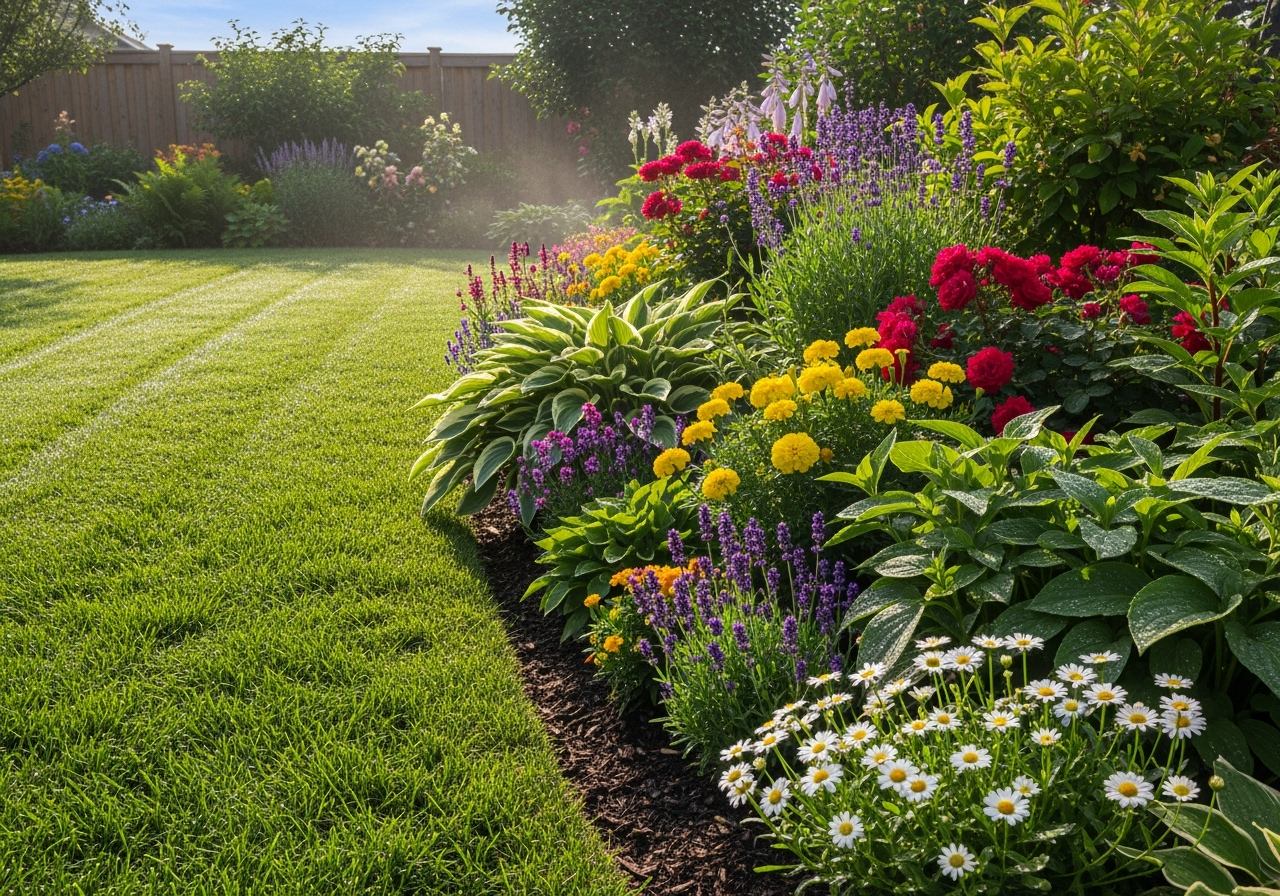
Your lawn frames your garden, so its health is key, especially under the stress of summer heat and foot traffic.
Proper mowing makes all the difference. Never cut more than one-third of the grass blade at once. During hot weather, maintain a height of about 2 inches to protect the soil and roots from the sun.
Sharp mower blades are non-negotiable. Dull blades tear grass, leaving ragged edges that invite disease and stress.
Water your lawn deeply but less frequently. Early morning watering (4 am to 8 am) minimizes evaporation and allows grass to dry before evening, which prevents fungal problems. Aim for about 1 inch of water per week, including rainfall.
Spring fertilizing sets your lawn up for success. A balanced fertilizer provides nutrients for strong roots and lush growth. Fall fertilizing prepares it for winter dormancy.
Aeration involves creating small holes in your lawn to allow air, water, and nutrients to reach the roots. For lawns with heavy foot traffic or compacted soil, annual aeration can dramatically improve grass health and thickness.
Keeping Your Garden Neat and Tidy

A neat, well-organized garden is both satisfying and functional. A tidy space is easier on the eyes and works better. These general garden maintenance tips help create structure, making your outdoor space a natural extension of your home. For more insights on improving structure with design, explore our hardscape design services.
Creating Structure with Edging and Supports
Clean lines and proper plant supports separate a professional-looking garden from a haphazard one. Edging frames your garden beds, making everything look more intentional.
Simplifying your garden edging saves time and frustration. Instead of aiming for perfection, focus on creating clean, consistent lines that are realistic to maintain. A string trimmer is a great tool for keeping grass low and edges looking manicured without the intense labor of hand-edging.
Edging materials can instantly transform your garden’s appearance. Whitewashed bricks or pavers create beautiful, permanent borders with minimal upkeep. Metal edging strips are effective for raised areas, while recycled plastic landscape edging offers flexibility for curved beds.
Plant supports are game-changers for tidiness. Steel obelisks and grow-through frames keep sprawling perennials contained and support top-heavy blooms before they flop, creating a dense, well-tended look.
Trellises, arbors, and pergolas provide vertical structure and keep climbing plants organized, adding height and interest to your garden design.
Raised beds offer major organizational benefits. They warm up faster in spring, offer better drainage, and create natural boundaries that simplify edging and weeding. They are also easier on your back and knees.
Essential Tools and Tidy-Up Tricks
Having the right tools makes maintaining a tidy garden much more efficient and enjoyable.
Your essential tool collection should include a sharp hand trowel, quality pruning shears, a garden fork, and a reliable shovel, along with a wheelbarrow, gloves, and a weeding trowel. For larger properties, an electric leaf blower and a mulching mower are great time-savers.
Tool maintenance is crucial. Clean tools regularly to prevent spreading disease, and keep pruner blades sharp for clean cuts that heal quickly.
Smart storage is key to tidiness. Use vertical space with benches that have hidden compartments or storage walls. A dedicated storage area enclosed with latticework can hide tools and furniture attractively.
Regular debris clearing keeps your garden looking polished. Gather fallen leaves, twigs, and seed pods before they accumulate and harbor pests.
Surface maintenance makes a dramatic difference. Pressure wash paving, decking, and brickwork to remove grime and algae. Clean gravel paths with a gentle hose setting to restore their appearance.
Seasonal touches transform your garden into an inviting living space. Add solar lighting for ambiance, water features for sensory appeal, and comfortable seating with shade. Fresh mulch and crisp borders provide a polished finish.
Frequently Asked Questions about Garden Maintenance
After years of helping homeowners in Fishers, Indiana create beautiful outdoor spaces, I’ve noticed the same questions come up again and again. Let me share the answers to the most common concerns about general garden maintenance tips that I hear from clients.
How often should I water my garden?
There’s no one-size-fits-all answer, as watering frequency depends on plant type, soil, and weather.
- Plant Type: Drought-tolerant plants need less water than container plants, which may need daily attention in summer. New seedlings require more frequent watering until established.
- Soil Type: Sandy soil dries out quickly and needs more frequent watering. Clay soil retains water longer, so you can water less often but more deeply.
- Weather: Hot, windy days increase moisture loss from both plants and soil.
As a general rule, most in-ground plants thrive with 1 to 2 inches of water per week, applied deeply. For container plants and garden beds, check the soil a few inches down; if it’s dry, it’s time to water.
What is the most important garden maintenance task?
If I had to pick just two, I’d choose consistent watering and diligent weeding.
Watering is essential for plant survival, enabling them to absorb nutrients and photosynthesize. Inconsistent watering, especially during hot Indiana summers, is a common cause of plant stress.
Weeding is equally important. Weeds compete for water, nutrients, and sunlight, and they can host pests and diseases. A well-weeded garden not only looks better but is also healthier.
Staying on top of these two tasks makes all other maintenance easier and prevents small issues from becoming big problems.
How can I make my garden lower maintenance?
Smart planning upfront saves hours of work later. Here are a few effective strategies:
- Choose the right plants. Swap high-maintenance perennials for shrubs that only need annual pruning. Native plants are ideal as they are already adapted to our climate and soil.
- Mulch generously. A 3-inch layer of mulch suppresses weeds and conserves moisture, dramatically cutting down on weeding and watering.
- Simplify your edges. Perfectly manicured edges are time-consuming. Use physical borders like brick or metal, or accept a more relaxed but still intentional look.
- Don’t overfill your garden. Leaving some space for plants to fill in naturally creates a more sustainable garden that requires less intervention.
The goal is a garden that brings you joy, not stress. These strategies can help you achieve both beauty and your weekends back.
Conclusion
Creating a beautiful, healthy garden in Fishers, Indiana doesn’t have to feel like a never-ending battle against summer heat and endless weeds. Throughout this guide, we’ve covered the essential general garden maintenance tips that transform overwhelming garden care into manageable, even enjoyable routines.
The secret isn’t perfection – it’s consistency and smart choices. When you establish a solid foundation with proper watering, generous mulching, and healthy soil, everything else becomes easier. Regular pruning and deadheading keep your plants vigorous and blooming. Choosing the right plants for our Indiana climate means less struggle and more success.
Your garden is a living space that evolves with the seasons and your needs. Some years you might have more time for detailed maintenance, while others call for simpler approaches. That’s perfectly normal, and your garden will adapt alongside you.
The most important thing is to enjoy your outdoor space. Whether you’re sipping morning coffee surrounded by blooming perennials or watching your kids play on a lush, healthy lawn, your garden should bring you joy, not stress.
As someone who’s spent years helping homeowners in Fishers create their dream landscapes, I’ve seen how the right approach to maintenance can completely transform both a garden and a gardener’s experience. These general garden maintenance tips aren’t just about keeping plants alive – they’re about creating an outdoor sanctuary that improves your daily life.
If you find yourself wanting to take your garden to the next level, or if maintaining everything becomes more than you want to handle, that’s where professional help makes all the difference. At Nix Landscaping, we understand that every homeowner’s needs are unique, and we’re passionate about creating personalized solutions that work for your lifestyle and budget.
Ready to transform your outdoor space into something truly special? Transform your outdoor space with our professional services and find how much more you can enjoy your garden when it’s designed and maintained with expertise and care.

