
Why Mastering Plant Care Transforms Your Home and Well-being
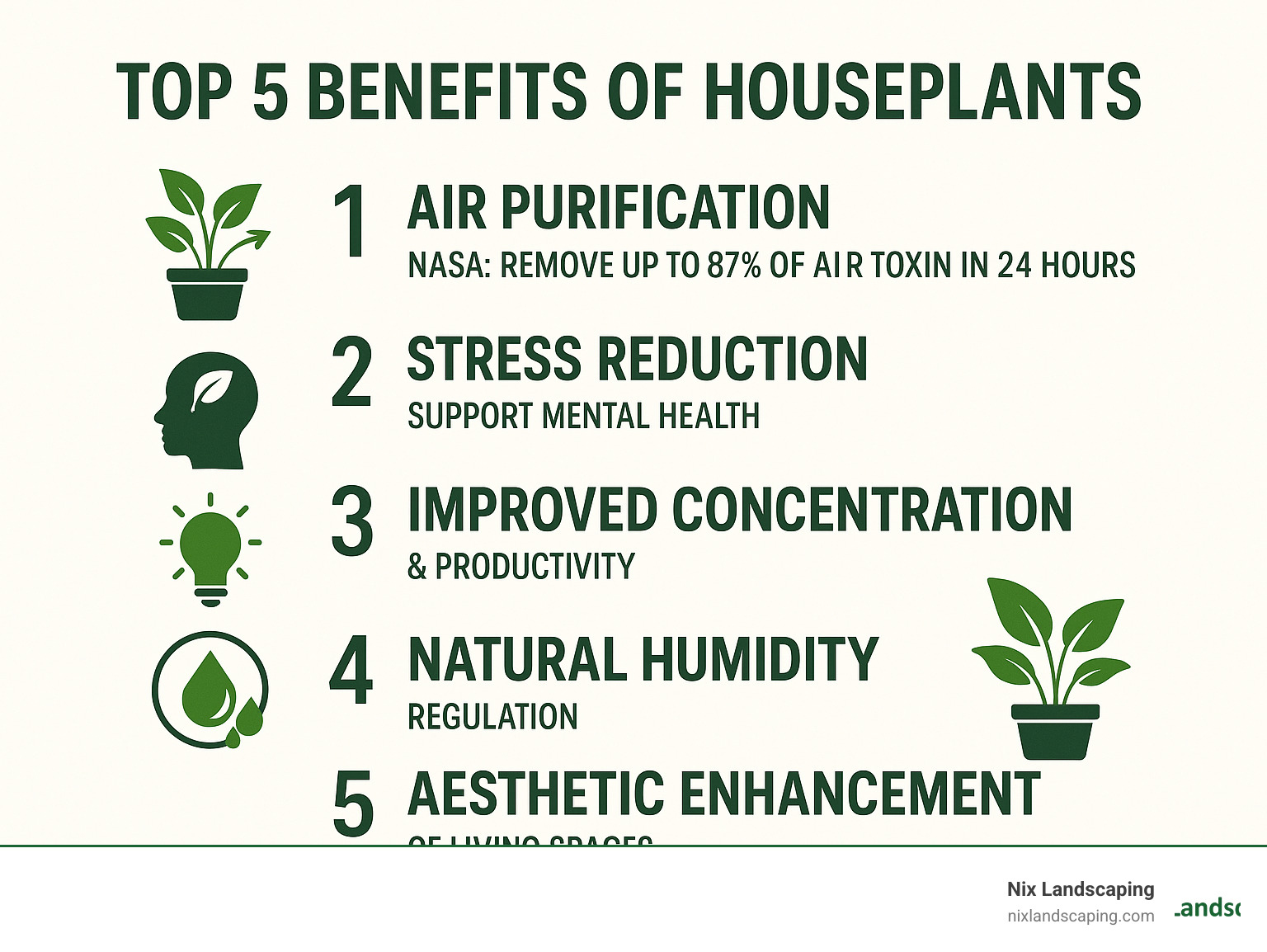
Learning how to take care of plants is simpler than you think, and the rewards are immense. NASA research shows houseplants can remove up to 87% of air toxins in 24 hours, while other studies reveal that caring for plants reduces stress and boosts concentration.
Quick Plant Care Essentials:
- Light – Match plants to your home’s natural light.
- Water – Check soil moisture before watering to avoid overwatering.
- Soil – Use a well-draining potting mix.
- Temperature – Keep plants between 65-85°F, away from drafts.
- Humidity – Group plants or use pebble trays for tropicals.
Houseplants improve air quality, create tranquility, and offer the satisfaction of nurturing something. Whether your space is dim or sun-drenched, there’s a plant for you. Most prefer bright, indirect sunlight, but the key is understanding your specific plant’s needs and creating a consistent routine.
I’m Kyle Nix, owner of Nix Landscaping in Fishers, Indiana. My experience has taught me that successful plant care comes down to a few fundamental principles anyone can master.
Know your how to take care of plants terms:
The 5 Pillars of Plant Care: Getting the Basics Right
Think of learning how to take care of plants like cooking: master the five basic ingredients of light, water, soil, temperature, and humidity, and everything else falls into place. Your plants have simple, predictable needs.
Let There Be Light: Understanding Your Plant’s Sun Needs
Light is a plant’s food. Through photosynthesis, plants convert light into energy. Most houseplants prefer bright, indirect light—plentiful but filtered, like near a window but out of harsh, direct rays.
- Window Direction: South-facing windows offer the strongest light, ideal for cacti. East-facing windows provide gentle morning sun. West-facing windows have intense afternoon heat. North-facing windows give the weakest, most consistent light.
- Plant Signals: Scorched or crispy leaves mean too much sun. Leggy growth with pale, sparse leaves means the plant is stretching for more light. Rotate your plants weekly for even growth.
The Art of Watering: How to Quench Your Plant’s Thirst
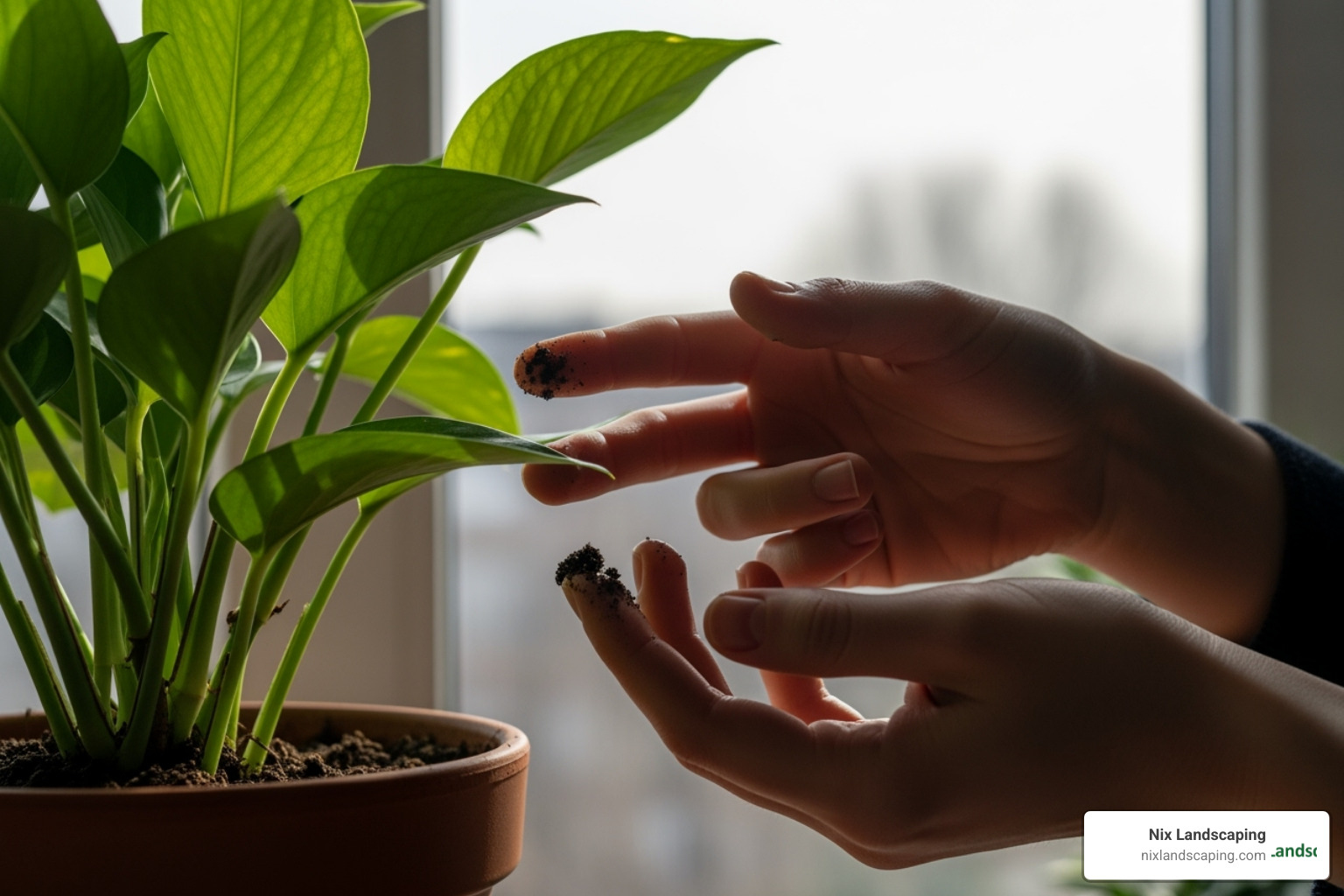
More houseplants die from overwatering than underwatering. Forget rigid schedules and use the finger test: stick your finger two inches into the soil. If it’s dry, water thoroughly until it flows from the drainage holes (a must-have!). If it’s moist, wait a few days.
- Overwatering signs: Yellowing leaves, mushy stems, and constantly soggy soil.
- Underwatering signs: Wilting, crispy leaf edges, and soil pulling away from the pot.
Plants need less water in winter. Use room-temperature water to avoid shocking the roots. If your tap water is harsh, let it sit overnight or use filtered water.
The Foundation: Choosing the Right Soil and Pot
Never use garden soil in containers; it compacts and suffocates roots. Always use a quality potting mix containing ingredients like perlite or vermiculite for aeration and drainage.
Repotting is about refreshing soil and giving roots space. Repot when you see roots growing out of drainage holes or circling the soil surface. Choose a new pot only 1-2 inches larger in diameter to prevent root rot from excess moisture. The best time to repot is spring. For more on soil health, see our garden maintenance services.
Creating a Comfortable Climate: Temperature and Humidity
Most houseplants thrive in the same 65-85°F range we do, but they hate sudden temperature swings. Keep them away from drafts from vents, air conditioners, or doors.
Many tropical plants crave higher humidity than our homes provide. To increase it:
- Group plants together to create a humid microclimate.
- Place pots on pebble trays filled with water.
- Use a small humidifier for the most consistent results.
Misting offers only temporary relief and can sometimes encourage fungal issues.
How to Take Care of Plants: Advanced Nurturing and Growth
Once you’ve mastered the basics, learning how to take care of plants becomes even more rewarding. Fertilizing and pruning will transform a surviving plant into a spectacular one.
How to Take Care of Plants with Proper Nutrients
Fertilizer is like vitamins for your plants, boosting vibrant growth. Houseplants need it far less often than outdoor plants.
Feed your plants only during the growing season (spring through early fall) when they are actively producing new leaves. Hold off on fertilizer in the winter when growth slows. For fertilizer, you can use a liquid type like J R Peters Jacks Classic 20-20-20 All Purpose Fertilizer, available on Amazon, or a slow-release granular option like Osmocote Plus, also on Amazon.
The three numbers on the label (e.g., 20-20-20) represent the N-P-K ratio: Nitrogen (leaves), Phosphorus (roots/blooms), and Potassium (overall health). The golden rule is less is more, as over-fertilizing can burn roots. For more on feeding flowering plants, see our flower garden maintenance tips.
Pruning and Cleaning for Health and Aesthetics
Pruning and cleaning are like a spa day for your plants, keeping them healthy and beautiful.
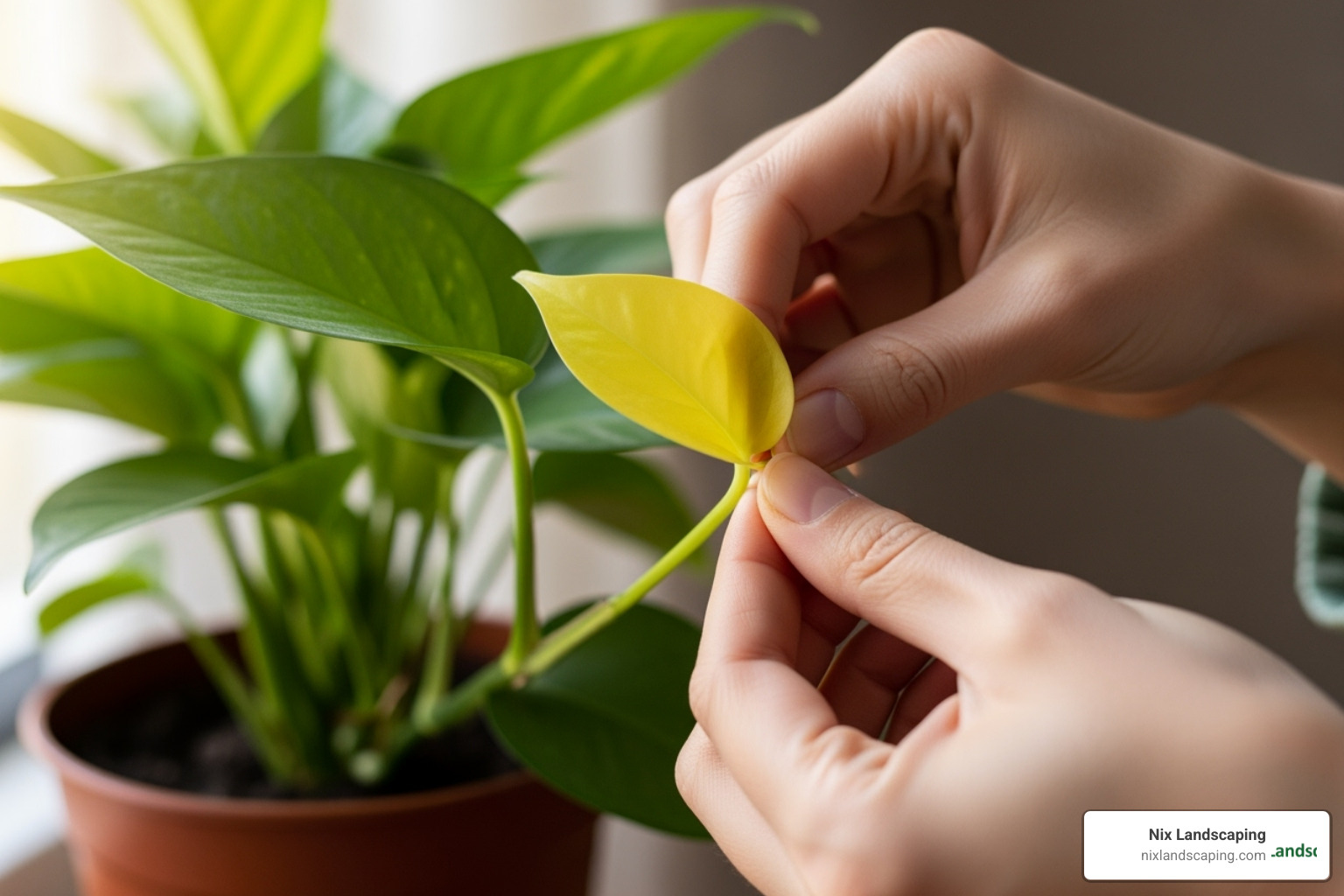
- Remove dead or yellowing leaves by snipping them off with clean scissors. This redirects the plant’s energy to new, healthy growth.
- Prune for shape by cutting just above a leaf node to encourage a fuller, bushier plant.
- Deadhead spent flowers to encourage more blooms.
- Clean dust from leaves with a damp cloth or soft paintbrush. Dust blocks light and hinders photosynthesis.
Always use clean, sharp tools to prevent damaging stems or spreading disease. These simple tasks will be rewarded with more vigorous, vibrant plants.
Troubleshooting Common Houseplant Problems
Don’t panic when you spot a problem on your plant. Most houseplant issues are solvable once you know how to take care of plants under stress. Regular inspection is your best defense, so take a few minutes each week to check leaves, stems, and soil.
Identifying and Solving Common Pests and Diseases
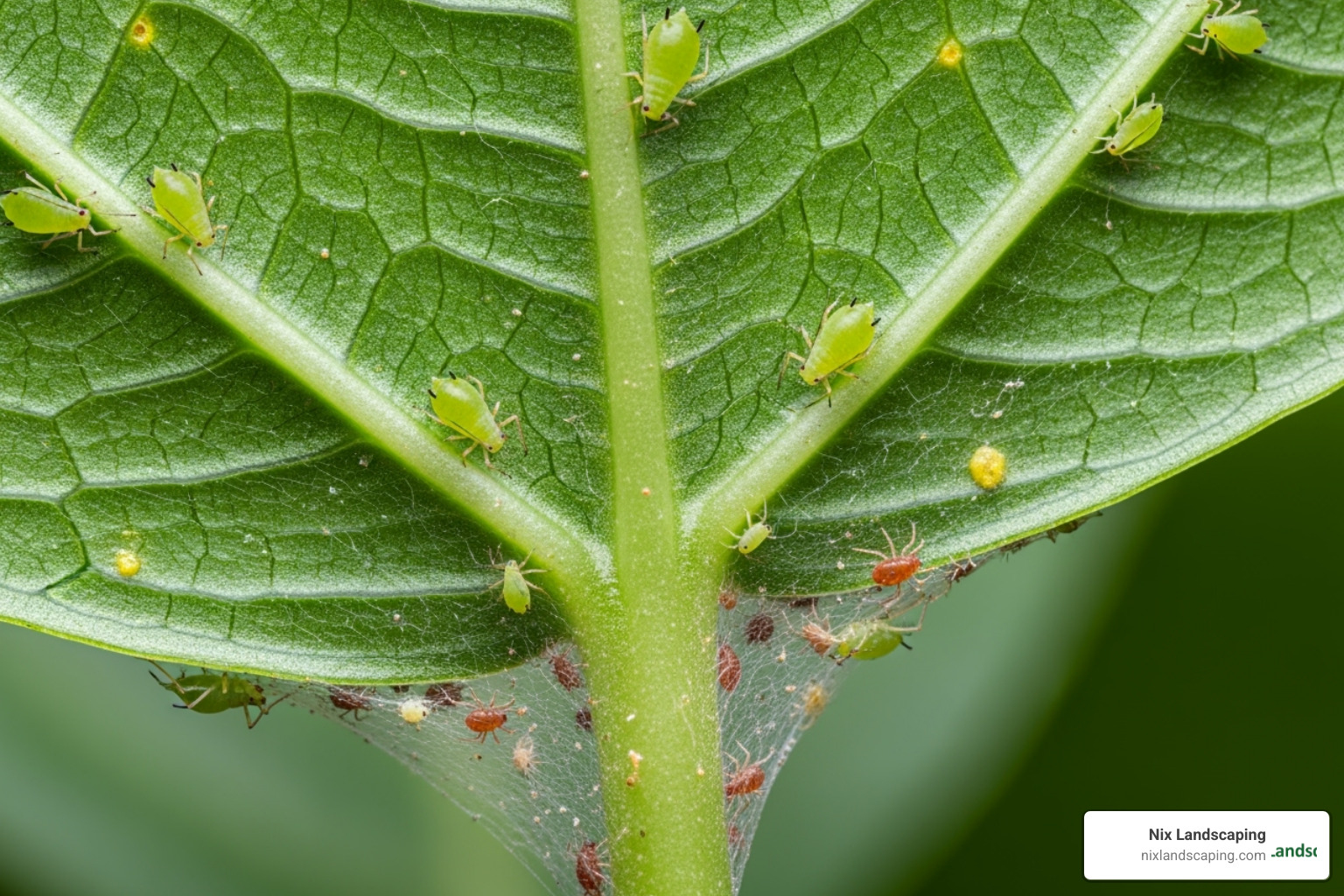
- Spider Mites: Look for fine webbing and tiny dots on leaves. They thrive in dry, warm conditions.
- Mealybugs: These appear as white, cottony masses where leaves meet stems.
- Aphids: Small, pear-shaped insects that cluster on new growth.
- Fungus Gnats: Annoying small flies hovering around moist soil.
If you find pests, isolate the plant immediately. For small infestations of mealybugs or aphids, wipe them away with a cotton swab dipped in rubbing alcohol. For larger problems, insecticidal soap and neem oil are excellent organic solutions. Spray all parts of the plant, especially the undersides of leaves. For fungus gnats, simply let the soil dry out more between waterings.
Most diseases are environmental. Root rot comes from waterlogged soil, while powdery mildew and fungal spots often result from poor air circulation or water sitting on leaves. Improving airflow and watering correctly are the best preventative measures. For more on soil health, the University of Maryland Extension offers great advice.
Plant Safety: A Guide for Homes with Pets and Children
Many popular houseplants are toxic if ingested by pets or children. Before buying a plant, do a quick search for its name plus “pet safe.”
Common toxic houseplants include Pothos, Peace Lilies, Snake Plants, Dumb Cane, Aloe Vera, and Rubber Plants. They can cause symptoms ranging from oral irritation and vomiting to more severe issues. If you suspect ingestion, contact your veterinarian or poison control immediately.
You don’t have to give up these plants. Simply keep them out of reach using hanging baskets, high shelves, or by placing them in off-limits rooms. Being proactive about safety allows you to enjoy a green home that’s safe for everyone. For a detailed list, consult resources like Dengarden’s guide to toxic houseplants.
Choosing Your Perfect Green Companion
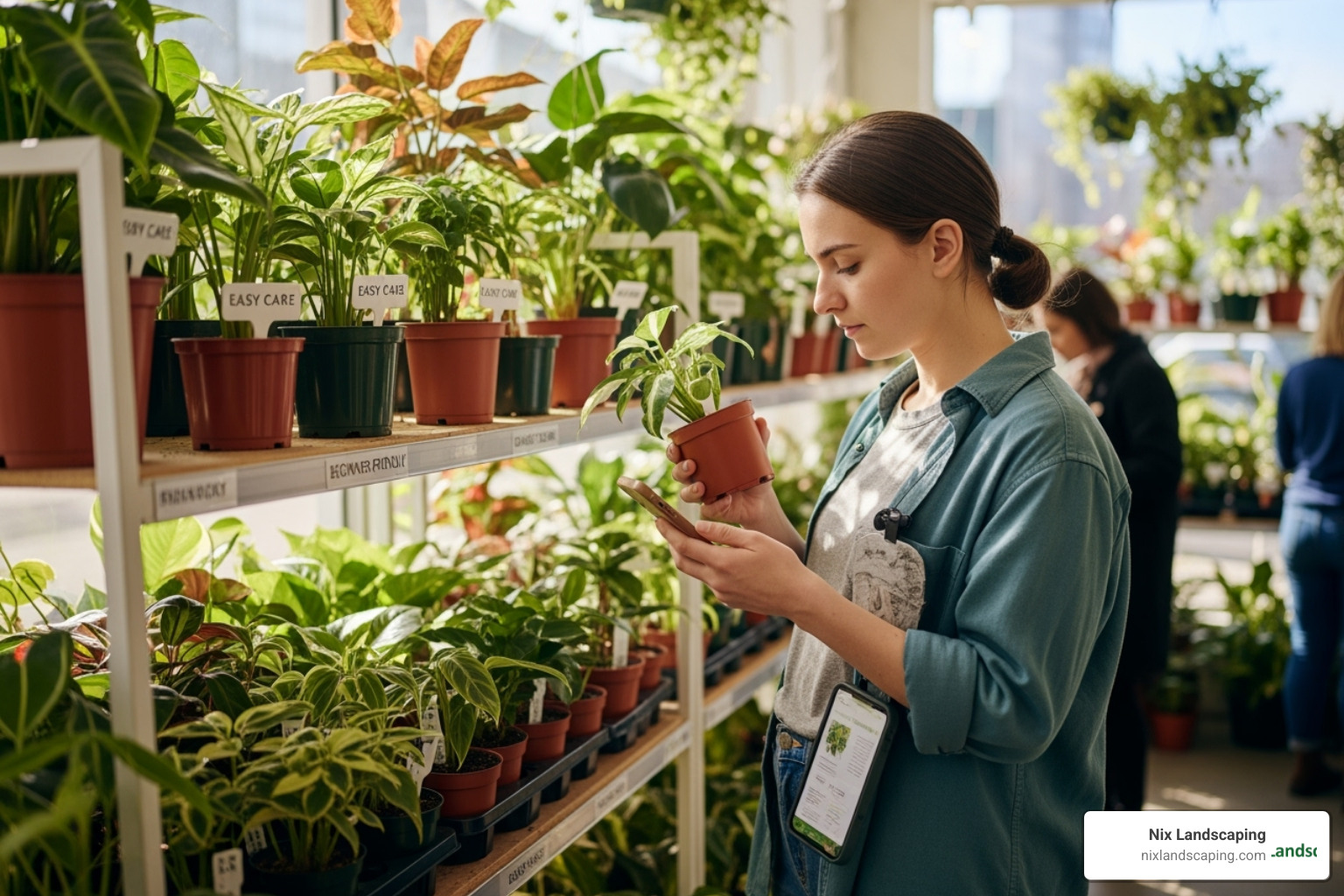
Choosing the right plant is like picking the perfect pet—it should match your environment and lifestyle. Mastering how to take care of plants begins with making a smart choice.
How to Take Care of Plants by Matching Them to Your Home
Start by assessing your home’s lighting. A beautiful plant will struggle if it doesn’t get the light it needs. Also, consider your schedule. If you’re busy or forgetful, choose resilient, low-maintenance plants. If you enjoy daily check-ins, you can handle more attention-loving plants. Finally, think about the plant’s mature size to ensure it fits your space long-term. Our beginner gardening resources can help you build confidence.
Top 5 Beginner-Friendly Houseplants
Start with forgiving plants to build confidence. These five are nearly indestructible.
- Snake Plant (Sansevieria trifasciata): Striking and architectural, it tolerates a wide range of light conditions and prefers to dry out completely between waterings. Snake plants can remove toxins from the air.
- Pothos (Epipremnum aureum): A forgiving trailing vine that thrives in medium to low light and is easy to propagate.
- ZZ Plant (Zamioculcas zamiifolia): With waxy leaves that store water, it’s perfect for low light and infrequent watering.
- Spider Plant (Chlorophytum comosum): A cheerful plant with arching leaves that produces “babies” you can easily root and share.
- Peace Lily (Spathiphyllum): Features neat white flowers and droops dramatically when it needs water, making it easy to know when to care for it. The peace lily is an air-purifying powerhouse.
Styling with Greenery: Decorative Tips
Plants are design elements. Lift their look with these tips:
- Decorative pots that match your home’s decor make a huge impact. Ensure they have drainage.
- Plant stands create varying heights for a more dynamic, layered display.
- Hanging planters use vertical space and are great for trailing plants and keeping toxic varieties out of reach.
- Group plants of different heights, textures, and shapes to create a lush, impactful green corner.
For more inspiration, check out our DIY garden projects.
Frequently Asked Questions about Plant Care
As a plant expert in Fishers, I often answer the same questions about how to take care of plants. Here are the quick answers to the most common ones.
Why are my plant’s leaves turning yellow?
Yellow leaves are a common distress signal. Here are the usual suspects:
- Overwatering: This is the #1 cause. The leaves are often soft or mushy, and the soil is soggy. Let the soil dry out.
- Underwatering: Leaves may be crispy, and the soil will be bone dry.
- Nutrient Deficiency: If older leaves turn yellow, the plant may be hungry. Fertilize during the growing season.
- Natural Aging: It’s normal for older, lower leaves to yellow and drop off as the plant grows.
- Stress: Recent changes like repotting or moving can cause temporary yellowing.
Always check the soil moisture first—it will usually point you to the solution.
How often should I repot my houseplant?
Forget a strict schedule; watch your plant instead. Most need repotting every 12 to 18 months. Look for these signs:
- Roots growing out of the drainage holes.
- A dense, tangled mass of roots (rootbound).
- Stunted growth during the growing season.
- Water running straight through the pot without soaking in.
Spring is the best time to repot. Choose a new pot that is only 1 to 3 inches larger in diameter to avoid problems caused by excess soil moisture.
Can I use regular garden soil for my houseplants?
No, never use garden soil for houseplants. It’s a common mistake with serious consequences.
- It compacts in pots, suffocating roots.
- It has poor drainage, leading directly to root rot.
- It can contain pests, diseases, and weed seeds you don’t want indoors.
Always use a sterile, well-draining potting mix specifically designed for houseplants. It provides the right balance of aeration, drainage, and moisture retention your plants need to thrive in a container.
From Brown Thumb to Green: Your Plant Journey Starts Here
Congratulations! You’ve completed this crash course in how to take care of plants. You now know there’s no mysterious “green thumb”—just the simple principles of providing what your plants need.
Remember the keys to success:
- Light: Match plants to your home’s available light.
- Water: Check the soil first and water thoroughly only when dry.
- Observation: Your plants will tell you what they need.
The joy of watching a new leaf unfurl or a flower bloom is incredibly rewarding. Start small, be patient, and remember that every mistake is a learning opportunity. Your journey to becoming a confident plant parent has already begun.
At Nix Landscaping, we understand the satisfaction that comes from nurturing living things. While we’ve focused on indoor plants, these principles also apply outdoors. For professional help with your landscape design, hardscape installations, or maintenance, explore our landscaping services. We are passionate about creating beautiful, thriving environments, both inside and out.

