
Why Illuminate Your Outdoors?
Landscape lighting transforms your outdoor spaces from invisible after-dark areas into stunning, functional extensions of your home. Here’s what outdoor lighting can do for your property:
- Improved Safety – Illuminate pathways, steps, and potential hazards
- Improved Security – Deter intruders with strategic lighting placement
- Extended Living Space – Use outdoor areas well into the evening
- Increased Curb Appeal – Showcase architectural features and landscaping
- Higher Property Value – Professional lighting systems boost home value
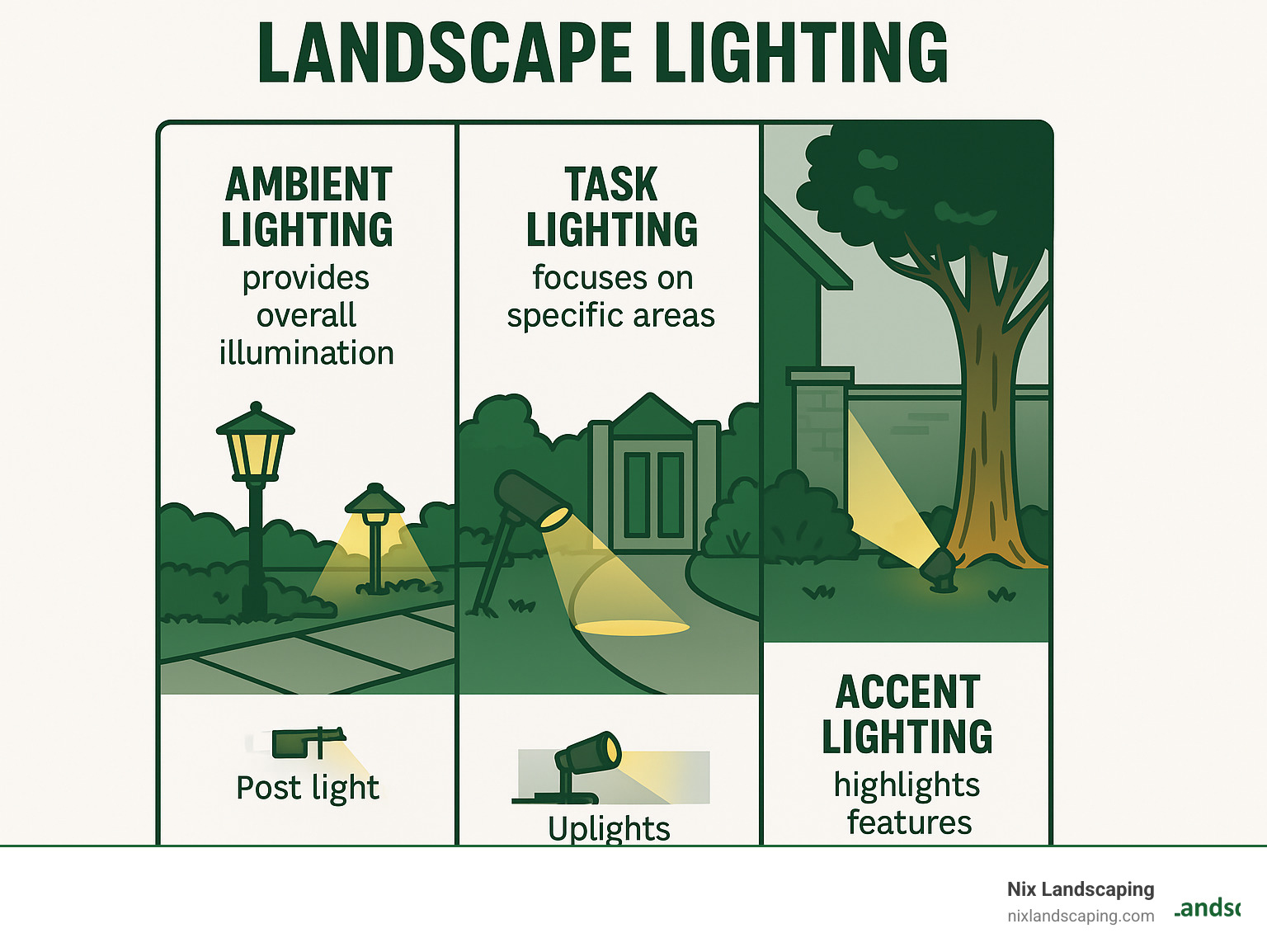
The magic happens when you understand that effective landscape lighting uses three distinct layers: ambient lighting for general illumination, task lighting for specific activities, and accent lighting to highlight focal points. This layered approach creates depth and visual interest while serving practical purposes.
The reality is stark – research shows that 78% of homeowners replace their landscape lighting within just two years due to poor quality fixtures and improper installation. This frustrating cycle costs money and leaves properties poorly lit when systems fail.
Smart homeowners are finding that investing in quality fixtures and professional design eliminates this replacement cycle. The right system combines beautiful aesthetics with reliable performance, creating outdoor spaces you’ll actually want to use after sunset.
I’m Kyle Nix, owner of Nix Landscaping in Fishers, Indiana, and I’ve spent years helping homeowners transform their outdoor spaces with strategic landscape lighting solutions that improve both beauty and functionality. Through countless projects, I’ve learned that the right lighting design can completely change how you experience your property after dark.
A Guide to Your Perfect Landscape Lighting
Mastering the Art: Essential Design Techniques
Here’s where the magic happens. Professional landscape lighting design isn’t just about sticking fixtures in the ground and hoping for the best. It’s about understanding how light behaves, creating layers that work together, and knowing when to illuminate and when to accept shadow.
Think of your outdoor space as a canvas. During the day, sunlight reveals everything equally. But at night, you become the artist, choosing exactly what deserves attention and what should fade into the background. This selective illumination creates drama, guides the eye, and transforms ordinary yards into extraordinary evening experiences.
The secret lies in light layering – combining ambient, task, and accent lighting to create depth and visual interest. You want to balance illumination with shadow to avoid that harsh, over-lit parking lot look that kills the magic of nighttime landscapes. Done right, your lighting should feel natural and inviting, not like you’re preparing for surgery.
Effective Techniques for a Professional Look
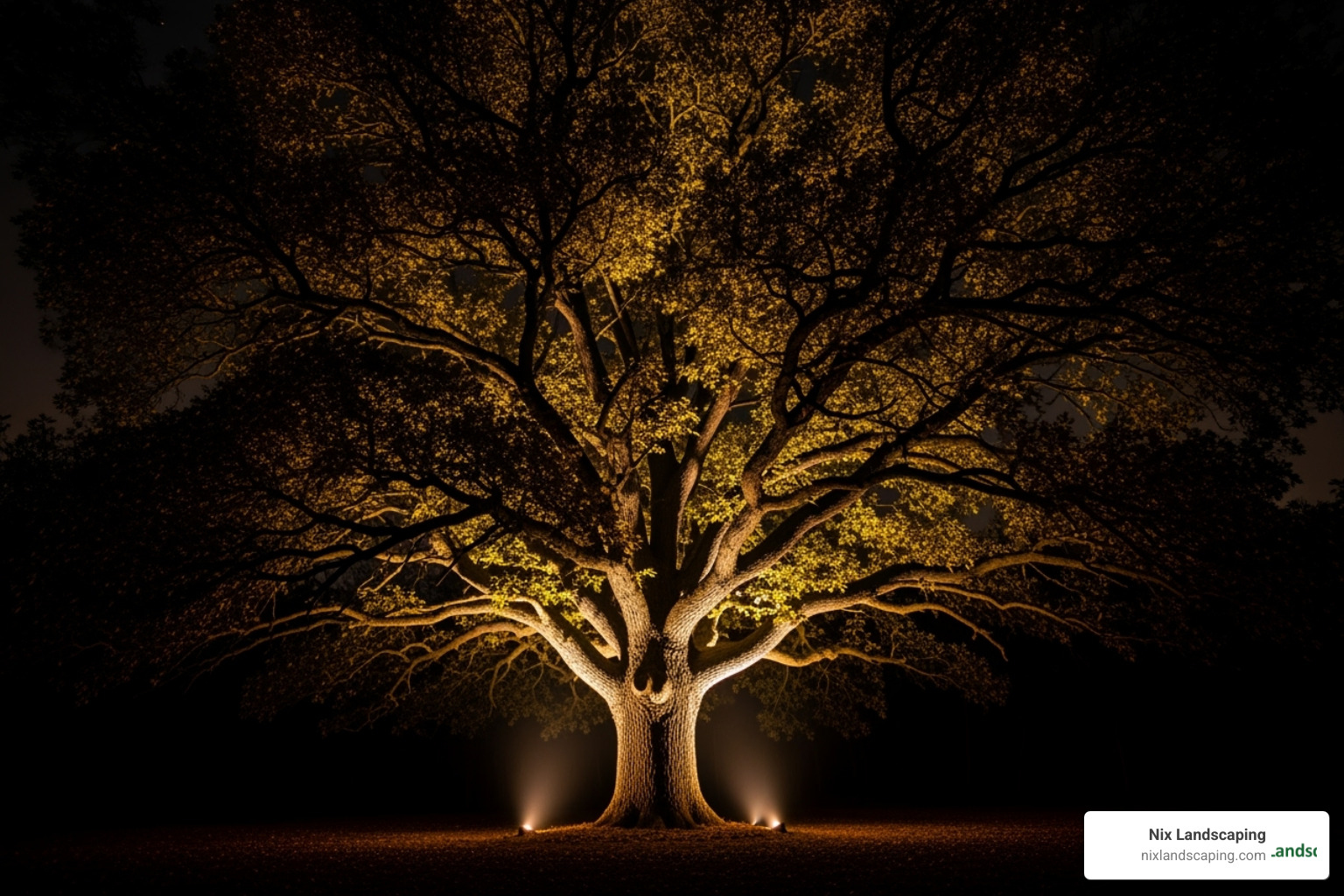
Uplighting for drama creates some of the most stunning effects in landscape lighting. Place fixtures at the base of trees, architectural features, or sculptures to cast light upward. This technique showcases texture and form while creating interesting shadow patterns on nearby surfaces.
For trees, position your fixtures about 1-2 feet from the trunk for smaller specimens. Larger trees need fixtures placed 8-10 feet away to capture the full canopy. The goal is highlighting the tree’s natural shape and character, not turning it into a spotlight on a stage.
Downlighting (also called moonlighting) mimics natural moonlight by mounting fixtures high in trees or on structures. This technique creates gentle pools of light on patios, walkways, and seating areas. It’s perfect for general illumination that feels organic and welcoming.
The key with downlighting is using fixtures with proper shielding to prevent glare. Nobody wants to feel like they’re sitting under interrogation lights while trying to enjoy their evening outdoors.
Silhouetting and shadowing create dramatic effects by backlighting objects to showcase their distinctive shapes. Place lights between the feature you want to silhouette and an adjacent wall or fence. This works beautifully with ornamental grasses, sculptures, or plants with interesting architectural forms.
Wall washing and grazing highlight textural surfaces like stone walls, brick facades, or architectural details. Wall washing provides even illumination across large surfaces, while grazing emphasizes texture by positioning lights close to the surface at sharp angles. It’s like the difference between a gentle caress and highlighting every interesting bump and groove.
Path and step lighting keeps everyone safe while contributing to your overall design. The golden rule is illuminating all obstacles, turns, and level changes. Always add lights at the bottom of steps to eliminate dangerous shadows that can cause trips and falls. Safety doesn’t have to be boring – it can be beautiful too.
For specific applications in entertainment areas, check out our patio lighting ideas for inspiration.
If you want to dive deeper into the technical aspects, “The Landscape Lighting Book by Janet Lennox Moyer” available on Amazon provides comprehensive design principles from industry professionals.
Creative Landscape Lighting Ideas
Highlighting architectural features transforms your home’s exterior into an evening showcase. Focus on interesting rooflines, columns, dormers, or unique building materials. Use narrow beam spotlights to create clean lines of light that emphasize these elements without overwhelming the overall composition.
The trick is restraint. You don’t need to light every single architectural detail – just the ones that make your home unique and interesting.
Illuminating water features turns fountains, ponds, and waterfalls into magical nighttime focal points. Underwater lights create stunning effects from within the water, while strategically placed spotlights can highlight flowing water or interesting rock formations. The combination of moving water and beautiful lighting creates incredibly peaceful outdoor environments.
Lighting for entertainment areas extends the usability of patios, decks, and outdoor kitchens well into the evening. Combine ambient lighting for general activities with task lighting for cooking or dining. Consider dimmable options that allow you to adjust brightness levels based on the occasion – bright for cooking, soft for romantic dinners.
Seasonal lighting displays add festive elements throughout the year without the hassle of constantly changing decorations. Permanent fixtures with color-changing capabilities allow you to celebrate holidays or special events with just a few taps on your smartphone. Many modern LED systems offer programmable color options that make your home the envy of the neighborhood.
Garden bed illumination showcases your landscaping investments year-round. Use small spotlights to highlight specimen plants, interesting bark textures, or seasonal color displays. Well lights hidden among plantings can create subtle uplighting effects that add depth without overwhelming delicate plants.
For more creative inspiration, visit our creative landscape lighting ideas gallery to see what’s possible with thoughtful design and quality fixtures.
Powering Your Vision: System Specifications and Smart Technology

The technical foundation of your landscape lighting system determines whether you’ll enjoy years of reliable performance or face constant frustration with failures and replacements. Getting the power source right from the start makes all the difference in your long-term satisfaction.
I’ve watched too many homeowners struggle with lighting systems that seemed like great deals initially but turned into expensive headaches. The good news is that understanding a few key technical concepts helps you make smart decisions that pay off for decades.
Modern smart technology has revolutionized outdoor lighting control. You can now manage your entire system from anywhere, create custom lighting scenes for different occasions, and even have your lights automatically adjust to the seasons. It’s like having a professional lighting designer at your fingertips.
Power Source Options for Landscape Lighting
Low-voltage systems running at 12 volts have become the gold standard for residential landscape lighting. These systems step down your home’s standard 120-volt power through a transformer, making them much safer to work with and install. You won’t get shocked if you accidentally nick a wire while gardening, and most homeowners can handle basic installations themselves.
The beauty of low-voltage systems lies in their flexibility. You can easily add fixtures, relocate lights, or expand your system without major electrical work. The main thing to watch for is voltage drop over long distances – fixtures too far from the transformer may not receive enough power to operate at full brightness.
Transformers act as the brain of your low-voltage system, and investing in a quality unit makes a huge difference. Professional-grade transformers include built-in timers, photocells for automatic operation, and multiple voltage taps for fine-tuning performance. Some newer models even include Wi-Fi connectivity for smartphone control.
Solar powered lights offer the ultimate in installation simplicity – no wiring required. Modern solar fixtures work surprisingly well for path lighting and basic accent applications, especially in sunny locations. However, they typically produce less light than wired systems and can be unreliable during winter months or in shaded areas.
Line voltage systems operating at full household current provide unlimited power for large properties or high-output applications. These systems require electrical permits and professional installation, but they deliver consistent performance over any distance without voltage drop concerns.
Battery operated fixtures serve specific situations where wiring isn’t practical, like temporary holiday displays or remote garden areas. While convenient for short-term use, the ongoing cost and hassle of battery replacement makes them impractical for permanent installations.
| Power Source | Installation Cost | Operating Cost | Performance | Best Applications |
|---|---|---|---|---|
| Low-Voltage | Moderate | Low | Excellent | Most residential projects |
| Solar | Low | None | Good | Path lighting, remote areas |
| Line Voltage | High | Low | Excellent | Large properties, commercial |
Investing in Durable and Energy-Efficient Landscape Lighting
Material quality separates fixtures that last decades from those that fail within months. Solid brass fixtures develop a beautiful patina over time while resisting corrosion in harsh weather. Cast aluminum offers excellent durability at a lower price point, making it perfect for most residential applications.
Be cautious with plastic fixtures, even high-quality ones. While they work fine in protected locations, direct sun exposure can cause fading and brittleness over time. The initial savings rarely justify the eventual replacement costs.
Weather resistance ratings tell you exactly where fixtures can be safely installed. Wet-rated fixtures handle direct rain and irrigation spray, making them suitable for any outdoor location. Damp-rated fixtures work well under eaves or covered areas but shouldn’t face direct water exposure.
Here’s the reality that fixture manufacturers don’t advertise: 78% of homeowners replace their landscape lighting within just two years. This staggering statistic reflects the poor quality of many retail fixtures and the lack of proper installation techniques.
The long-term cost savings of quality fixtures become obvious when you avoid this replacement cycle. Homeowners who invest in professional-grade systems report saving over $1,200 in five years compared to repeatedly buying cheap replacements. When you factor in the time and frustration of constant maintenance, quality systems provide both financial and practical benefits.
For specialized applications, our commercial solar bollard lights offer proven durability for high-traffic areas.
Integrating Smart Technology for Ultimate Control
Smart transformers have transformed how we control outdoor lighting. These Wi-Fi enabled units connect to your home network, allowing complete system control through smartphone apps. You can monitor energy usage, adjust brightness levels, and even receive alerts if fixtures fail.
Smartphone apps make lighting control incredibly intuitive. Create custom scenes for different occasions – maybe “Dinner Party” dims the accent lighting while brightening entertainment areas, or “Security Mode” keeps key areas illuminated all night. Many apps include astronomical timers that automatically adjust to your local sunrise and sunset times.
Timers and photocells provide automation without requiring smart technology. Basic photocells turn lights on at dusk and off at dawn, while programmable timers allow custom scheduling. These simple features dramatically improve convenience while reducing energy consumption.
Voice control integration works seamlessly with Amazon Alexa and Google Assistant. Simple commands like “Turn on backyard lights” or “Set landscape lighting to 50%” make your system even more convenient to operate.
Creating lighting zones and scenes gives you precise control over different areas. You might have separate zones for front yard security, backyard entertainment, and accent lighting. Custom scenes combine multiple zones to create specific moods – perfect for everything from quiet evenings to holiday celebrations.
Dimmable features and programmable color changes add versatility that traditional systems can’t match. Adjust brightness levels throughout the evening, or change colors for holidays and special events. Modern LED systems offer millions of color combinations, all controlled from your smartphone.
Frequently Asked Questions about Outdoor Lighting
How far apart should landscape lights be placed?
Getting the spacing right for your landscape lighting can make the difference between a professional-looking installation and something that feels like an airport runway. The sweet spot for most path lighting is 6-8 feet apart, which creates those gentle, overlapping pools of light that guide people safely without creating harsh glare.
But here’s the thing – proper spacing isn’t just about following a rule. It depends on your specific fixtures, the height they’re mounted, and what you’re trying to achieve. Safety applications like steps and walkways need closer spacing to eliminate dark spots where someone might trip. Accent lighting for trees or architectural features follows completely different rules based on the size of what you’re highlighting.
The goal is creating natural transitions between light and shadow rather than stark boundaries. This approach feels more comfortable and welcoming as people move through your outdoor spaces. When you see lighting that looks harsh or artificial, it’s often because the spacing is off.
For personalized guidance on spacing that works for your specific property, check out our outdoor lighting ideas resource where we share real-world examples.
Can I install landscape lighting myself?
Many homeowners successfully tackle DIY landscape lighting projects, especially with low-voltage systems that operate at safer 12-volt levels. The basic process involves running low-voltage cable, connecting fixtures, and plugging everything into a transformer – it’s definitely within reach for most people with basic tool skills.
However, there’s a big difference between getting lights to turn on and creating a system that performs beautifully for years. Professional installation brings expertise in wire sizing, voltage calculations, and transformer selection that ensures your system works optimally. More importantly, professionals understand design principles that take years to master.
Safety considerations matter even with low-voltage systems. Improper connections can create fire hazards, while poor waterproofing leads to dangerous shorts. Professional installers carry insurance and provide warranties that protect your investment if something goes wrong.
The design expertise often proves most valuable. We’ve seen countless DIY installations that work but don’t look professional because the fixture placement, beam angles, or lighting techniques weren’t quite right. These design mistakes are expensive to fix after everything’s installed.
For homeowners in the Fishers area who want professional results, explore our garden lighting installation services.
How do I maintain my landscape lighting system?
Routine maintenance keeps your lighting system performing like new for years. A monthly walk-around inspection helps you catch small issues before they become expensive problems. Look for damaged fixtures, loose connections, or plants that have grown to block your carefully planned lighting effects.
Cleaning fixtures makes a huge difference in light output and appearance. Dirt, pollen, and oxidation can reduce brightness by 30% or more. Simple cleaning with mild soap and water restores full performance – just avoid harsh chemicals that might damage finishes or lens coatings.
Seasonal maintenance should include checking all connections and bulbs. While LED bulbs rarely fail suddenly, connections can loosen over time due to temperature changes and ground movement. Tightening wire nuts and securing fixtures takes just a few minutes but prevents bigger problems.
Plant management requires ongoing attention as your landscape matures. That small shrub near your accent light might eventually block the beam or create safety hazards. Regular pruning maintains both your lighting effects and your landscaping investment.
Common troubleshooting becomes easier when you understand your system basics. Flickering usually means loose connections, while dimming often indicates dirty lenses or voltage issues. Complete fixture failures typically involve water damage or wiring problems that need professional attention.
The key is staying ahead of problems rather than waiting for failures. A well-maintained landscape lighting system can perform beautifully for decades with minimal attention.
Conclusion: Bring Your Outdoor Vision to Life
A well-designed landscape lighting system transforms your property in ways that continue to surprise homeowners years after installation. What starts as a simple desire to improve safety or curb appeal becomes something much more meaningful – a complete change of how you experience your outdoor spaces after dark.
The journey we’ve explored together reveals that successful outdoor lighting isn’t about installing the most fixtures or choosing the brightest bulbs. It’s about understanding the three layers of light – ambient, task, and accent – and how they work together to create spaces that feel both functional and magical.
Quality matters tremendously in this investment. That sobering statistic about 78% of homeowners replacing their lighting within two years isn’t just a number – it represents countless frustrated property owners who thought they were saving money with cheaper alternatives. The reality is that investing in professional-grade fixtures and thoughtful design eliminates this replacement cycle entirely.
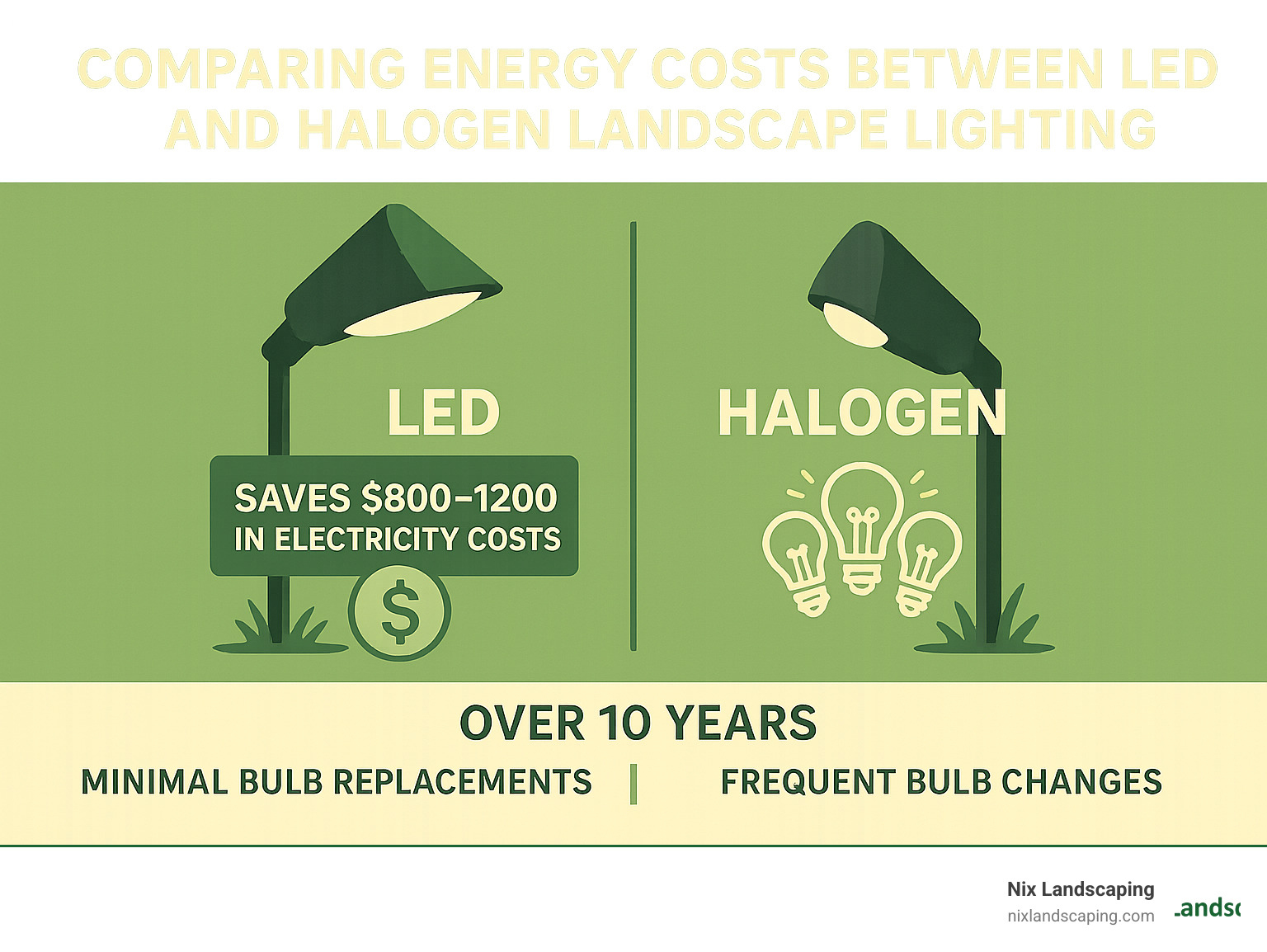
Modern LED technology has revolutionized what’s possible with outdoor lighting. The energy savings alone – up to 80% less electricity than halogen alternatives – means your lighting system pays for itself over time. Add smart technology integration, and you have unprecedented control over your outdoor environment with simple voice commands or smartphone apps.
The design techniques we’ve covered transform ordinary yards into extraordinary outdoor experiences. Uplighting creates drama, moonlighting provides gentle ambiance, and strategic accent lighting showcases your property’s best features. These aren’t just lighting tricks – they’re tools for creating outdoor spaces that invite you to spend time outside long after sunset.
Here in Fishers, we’ve seen how proper landscape lighting extends Indiana’s outdoor living season well into the cooler months. When your patio, deck, or garden paths are beautifully illuminated, you find yourself using these spaces even when you wouldn’t have before.
At Nix Landscaping, we understand that every property is unique. Our personalized approach means your lighting design reflects your specific needs, preferences, and the distinctive character of your landscape. We’re not just installing fixtures – we’re creating an integrated system that improves your entire outdoor living experience.
The investment in professional landscape lighting pays dividends in safety, security, property value, and pure enjoyment. There’s something deeply satisfying about pulling into your driveway each evening and seeing your home beautifully showcased against the night sky.
Ready to transform your outdoor spaces? Explore our outdoor living space design services to find how professional landscape lighting can turn your property into an outdoor oasis you’ll enjoy year-round.
Related content about landscape lighting:

