
Why Fall Cleanup is Your Secret to a Stunning Spring
The Foundation: Prepping Your Lawn for Winter’s Rest
Think of your lawn as the foundation of your entire landscape – everything else builds from there. When autumn arrives and those gorgeous colors start to fade, it’s time to give your grass the royal treatment it deserves. A proper landscaping fall clean up for your lawn isn’t just about making things look tidy; it’s about setting your grass up for success when spring rolls around again.
Your lawn is actually pretty smart. While you’re bundling up in sweaters, your grass is quietly preparing for its winter nap. The cooler temperatures and autumn moisture create perfect conditions for your lawn to soak up nutrients and strengthen its roots before everything freezes solid. This is your golden opportunity to help it along.
Lawn Care: The Foundation of Your Landscaping Fall Clean Up
Here’s the thing about lawns – they need to breathe, eat, and sometimes get a little makeover before winter arrives. Let’s walk through each step so your grass can emerge from winter looking like a million bucks.
Give Your Lawn Room to Breathe
Ever notice how your lawn looks a bit tired after a summer of foot traffic, lawn mowers, and maybe a few backyard barbecues? That’s because the soil underneath gets compacted, kind of like how a well-traveled dirt path gets hard and packed down. Compacted soil is like a tight sweater – nothing can get through properly.
That’s where aeration comes to the rescue. Think of it as giving your lawn a series of tiny breathing holes. The process pulls out small soil plugs about 3 inches deep, creating space for air, water, and nutrients to reach the grass roots where they’re needed most.
October or November is the sweet spot for aeration. This timing gives your lawn plenty of time to recover and get stronger before winter settles in. If you want to dive deeper into the science behind aeration, check out this helpful resource on Lawn Aeration.
Feed Your Grass for Winter
Just like you might stock up on comfort food before a long winter, your grass needs a good meal too. Here’s something cool: grass roots keep growing until the ground temperature drops to around 40 degrees Fahrenheit. That means your lawn is still actively working long after you’ve put away the shorts and flip-flops.
This extended growing period is perfect for feeding your lawn with a high-phosphorus fertilizer mix. Think of phosphorus as the root-building vitamin – it helps your grass develop a strong foundation that can handle whatever winter throws at it. A stronger root system means a more vibrant green-up when spring arrives.
Fill in the Thin Spots
If your lawn has some bare patches or thin areas (we’ve all been there), fall is the perfect time for overseeding. The cooler temperatures, increased moisture, and reduced competition from weeds create ideal conditions for new grass seeds to get established. After aerating, spreading new seed ensures you’ll have a thicker, more resilient lawn next spring.
Managing Leaves and The Final Mow
Ah, fallen leaves – they’re beautiful to look at, but they can be a real headache for your lawn. While a few scattered leaves won’t hurt anything, a thick blanket of leaves is like putting a heavy quilt over your grass. It blocks sunlight, traps moisture, and creates the perfect environment for fungal diseases like snow mold to take hold.
Smart Leaf Management
You’ve got several options for dealing with those fallen leaves during your landscaping fall clean up. Raking and composting is the traditional route – gather them up and turn them into nutrient-rich compost for your garden beds next spring. It’s like turning yard waste into garden gold.
But here’s our favorite trick: mulch mowing. Instead of raking, we use a lawn mower to chop the leaves into small pieces and leave them right on the grass. These tiny leaf pieces act as a natural fertilizer, returning valuable organic matter to the soil. Plus, the smaller pieces can’t mat down and smother your grass like whole leaves can.
For larger areas or when you need to move leaves to specific spots, leaf blowers are incredibly efficient. They’re perfect for clearing leaves from driveways, patios, and decks too.
The Final Mow Matters
Don’t underestimate the importance of that last mow of the season. We recommend cutting your grass to about 1¼ inches for this final trim. This shorter height prevents the grass from matting down under snow, which can lead to fungal diseases. It also allows any remaining leaves to blow across the lawn more easily instead of getting trapped.
Keep mowing until your grass stops actively growing – this might be later in the fall than you think. For more ideas on keeping your yard in top shape year-round, check out our Yard Maintenance Ideas page.
Your Comprehensive Landscaping Fall Clean Up Checklist
Beyond the lawn, a truly comprehensive landscaping fall clean up extends to your garden beds, perennials, trees, and shrubs. These beautiful elements are the very heart of your landscape’s charm, and giving them proper care now ensures they not only survive winter but absolutely thrive when spring bursts forth.
Garden Beds & Perennials: A Key Landscaping Fall Clean Up Task
Our garden beds are where so much magic happens during the warmer months, and fall is the perfect time to gently tuck them in for their long winter nap.
We start by carefully removing all spent annuals, any dead foliage, and stray debris from your garden beds. This isn’t just about making things look neat and tidy; it’s super important for preventing future headaches. Old plants, leaves, and weeds can be cozy hiding spots for fungi, bacteria, and insect eggs, setting the stage for problems next year. If you have a vegetable garden, we dig out old plants and add them to the compost bin. Then, we till the soil and add fresh compost, nurturing it for next season’s delicious bounty. For flower gardens, we feed the soil with fertilizer, compost, and organic topsoil, mixing it all in with a tiller.
Now, about your perennials – this is where folks often have questions! While tradition might say “cut everything back,” we actually take a more thoughtful, ecological approach. For some plants, like Peonies, Irises, Phlox, and Daylilies, it makes sense to cut them back. This helps prevent disease and keeps pests from hiding out. If your Hostas are getting mushy, it’s also a good idea to tidy them up. And for your Roses, a light prune and good clean-up of their foliage can prevent problems from popping up.
But then there are the plants we love to leave standing! Think about Coneflowers, Sedum, beautiful Ornamental Grasses (unless they get too wild and blow around), Joe Pye Weed, Asters, Salvia, and even Black-Eyed Susans. Why leave them? Their seed heads are a vital winter feast for birds, and their sturdy, hollow stems can provide cozy spots for beneficial insects and overwintering pollinators. We always consider if a plant is prone to disease, its location, and if its structure adds beauty to the winter garden when making these choices.
Fall is also an ideal time to divide crowded tuberous plants like Irises and Daylilies. We recommend doing this every three years or so. It’s like giving them a refresh, encouraging healthier, more vigorous growth. Plus, it gives you new plants to expand your garden or share with friends!
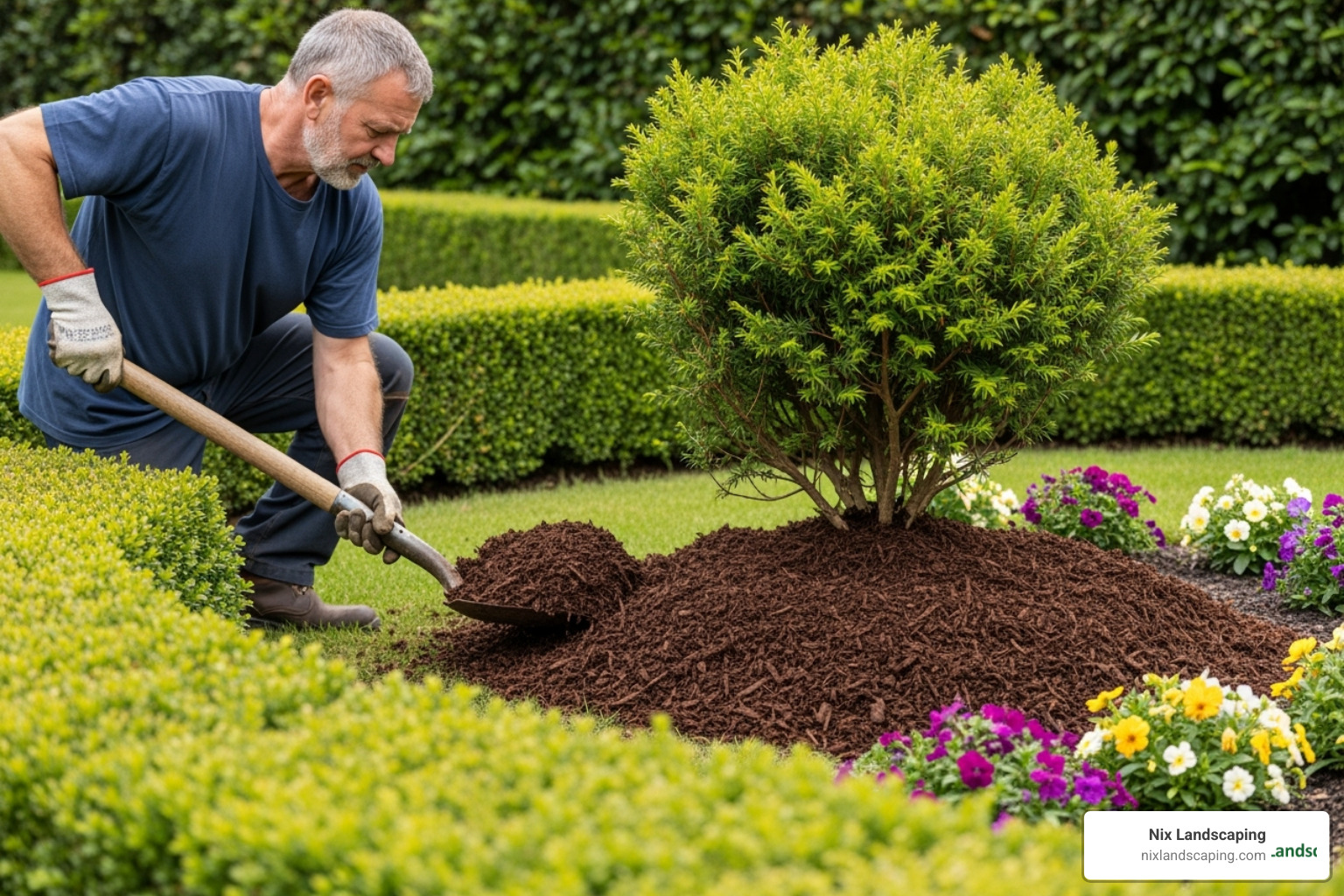
Once your beds are cleaned and perennials are addressed, we apply a generous 2- to 4-inch layer of mulch. This is absolutely crucial! Mulch acts like a warm blanket for plant roots, protecting them from the damaging freeze-thaw cycles that can push plants right out of the ground. It also helps the soil hold onto moisture. A bonus? Mulch helps suppress weeds next spring, giving your plants a fantastic head start. We can use traditional pine-bark mulch or even finely shredded fallen leaves as natural, free insulation.
For more information on preparing your garden beds for the colder months, visit our Fall Garden Clean Up page.
Pruning and Protecting Trees & Shrubs
Your trees and shrubs are significant investments in your landscape, and proper fall care ensures they stay healthy, beautiful, and long-lasting.
Fall is an excellent time for trimming and pruning these woody plants. We focus on carefully removing dead, damaged, or diseased branches. This isn’t just about shaping; it improves air circulation, helps prevent the spread of diseases, and removes potential hazards. A dead branch can easily snap off during a winter storm, causing damage to your property or even posing a safety risk. For larger trees or branches that are hard to reach (some landscaping services trim trees up to 15 feet as part of their landscaping fall clean up offerings), we always recommend calling in the pros.
While fall is good for structural pruning and cleaning up, we generally avoid heavy pruning of evergreens or making cuts that expose live tissue too late in the season. Why? Because frost and freezing temperatures can cause further damage to fresh cuts. For early-flowering plants (those that bloom before June), we wait until after they flower to prune them, as they typically bloom on last year’s growth. Late-flowering plants (after June) can be pruned in early March and April. The fall season is more for careful touch-ups, removing what’s clearly unhealthy or dangerous, and pruning for overall shape and plant health.
Young plants, sensitive shrubs, and newly planted trees often benefit from a little extra winter protection. We apply a 2- to 4-inch layer of mulch around their base after a light frost but before the ground completely freezes. This helps insulate their roots from the cold. For very sensitive evergreens or shrubs, we may even recommend wrapping them in burlap. This acts as a shield against harsh winter winds and heavy snow loads.
Proper pruning and protection help your plants withstand tough winter conditions and truly encourages robust growth in the spring. It’s all part of our comprehensive approach to Landscaping.
Final Preparations: Winterizing Systems and Storing Tools
As the last leaves fall and winter approaches, there’s one more crucial step in your landscaping fall clean up that many homeowners overlook – protecting the systems and tools that keep your yard beautiful. Think of it as tucking your garden equipment in for a long winter’s nap. Skip this step, and you might face some unpleasant (and expensive) surprises come spring.
Winterizing Irrigation and Water Features
Water is wonderful for your plants, but it becomes your enemy when it freezes. Ice expands with incredible force, and even a small amount of water left in the wrong place can crack pipes, damage pumps, and turn your spring gardening budget into a repair fund.
The Sprinkler System Blowout
If you have an in-ground sprinkler system, simply turning off the water valve isn’t enough protection. Water always finds a way to hide in low spots and pipe bends. That’s why we perform what’s called a sprinkler blowout – using pressurized air to force every last drop of water out of the system.
The process starts with shutting off the main water supply to your irrigation system. Then we connect an air compressor to blow out each zone systematically. This pressurized air pushes water out through the sprinkler heads, leaving the pipes completely dry. We also open any drain valves and cover outdoor faucets with insulated covers to prevent freezing.
For detailed step-by-step instructions, check out this helpful guide on Blowing out the sprinklers.
Don’t Forget Your Water Features
Your beautiful fountain or birdbath needs winter protection too. We drain all water from fountains, birdbaths, and decorative water features, then clean them thoroughly. Portable features get stored in a garage or shed, while permanent installations are dried completely and covered to prevent water from collecting and freezing.
Garden hoses also need attention – drain them completely, coil them up, and store them indoors. A frozen hose is a cracked hose, and nobody wants to start spring with a shopping trip for new equipment.
Cleaning and Storing Your Equipment
Your gardening tools have worked hard all season, and they deserve some TLC before their winter break. Proper care now means they’ll be sharp, rust-free, and ready to tackle next year’s projects.
Hand Tools Need Love Too
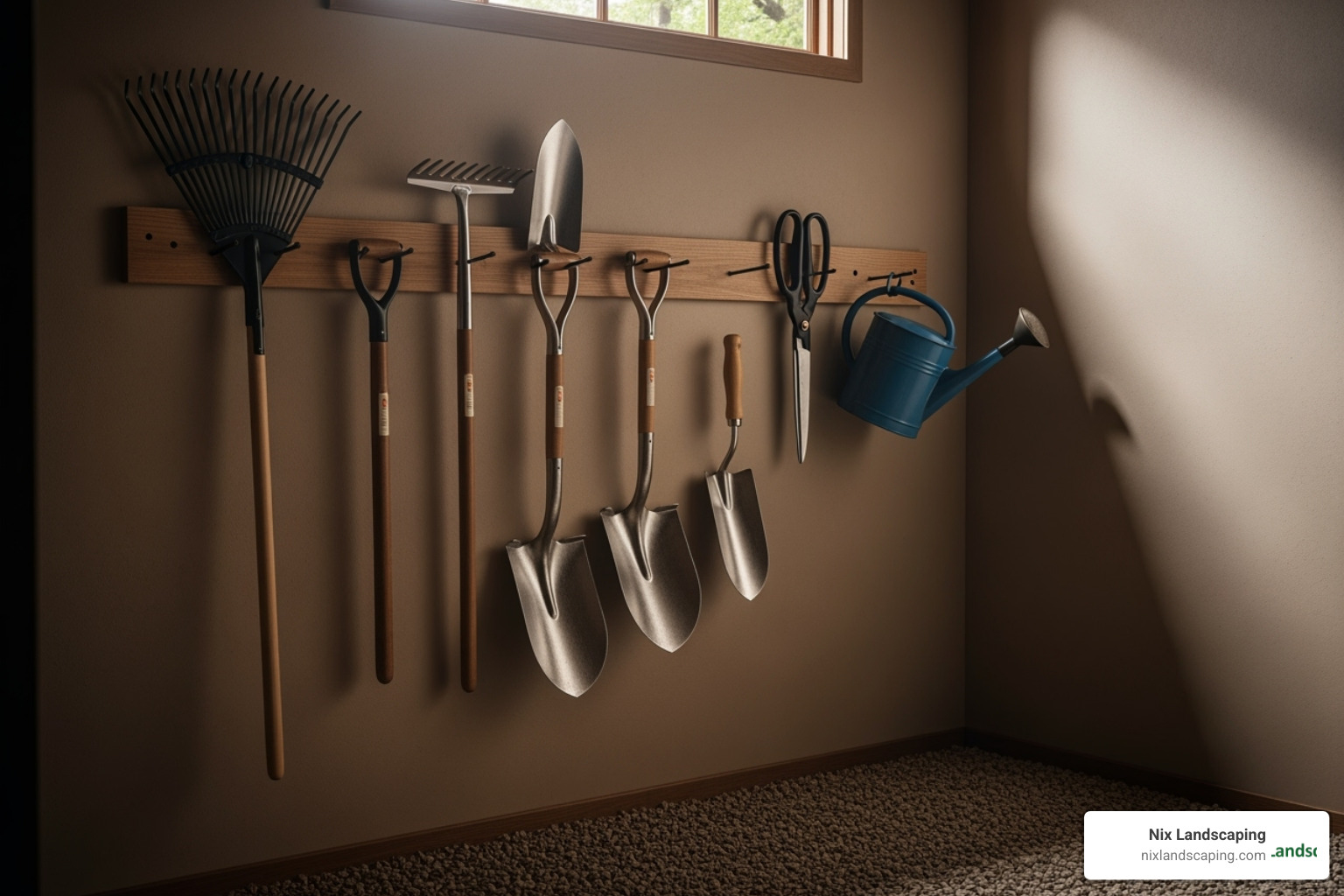
We start by cleaning all shovels, rakes, and pruners, removing every bit of dirt, sap, and plant debris. Cutting tools like pruners get their blades sharpened for clean cuts next season. Then comes the secret to long tool life – we oil all metal parts with mineral oil or a light coating of WD-40 to prevent rust.
It’s amazing how this simple step can add years to your tools’ lifespan. For comprehensive guidance on tool maintenance, the resource Cleaning, Sharpening, and Lubricating Tools for Use in an Organic Garden offers excellent detailed instructions.
Power Equipment Requires Special Care
Gas-powered equipment like mowers and trimmers need more attention. Old gasoline left in tanks over winter can turn into a gummy mess that clogs carburetors and prevents engines from starting. We recommend running equipment until the fuel tank is empty, or alternatively, adding fuel stabilizer to prevent gas degradation.
We also clean machines thoroughly, removing all grass clippings and dirt buildup. Spark plugs get inspected, oil gets changed if needed, and everything gets wiped down. Finally, we store all equipment in a dry, protected space like a garage or shed.
Taking these final steps in your landscaping fall clean up might seem tedious, but they’re the difference between equipment that starts easily next spring and costly repair bills. Your future self will thank you for the extra effort.
The Ecological Approach: A Greener Fall Cleanup
While the traditional notion of landscaping fall clean up often involves stripping the garden bare, a growing understanding of ecological principles offers a more nature-friendly approach. At Nix Landscaping, we believe in working with nature, not against it, to create a healthier, more vibrant ecosystem in your own backyard.
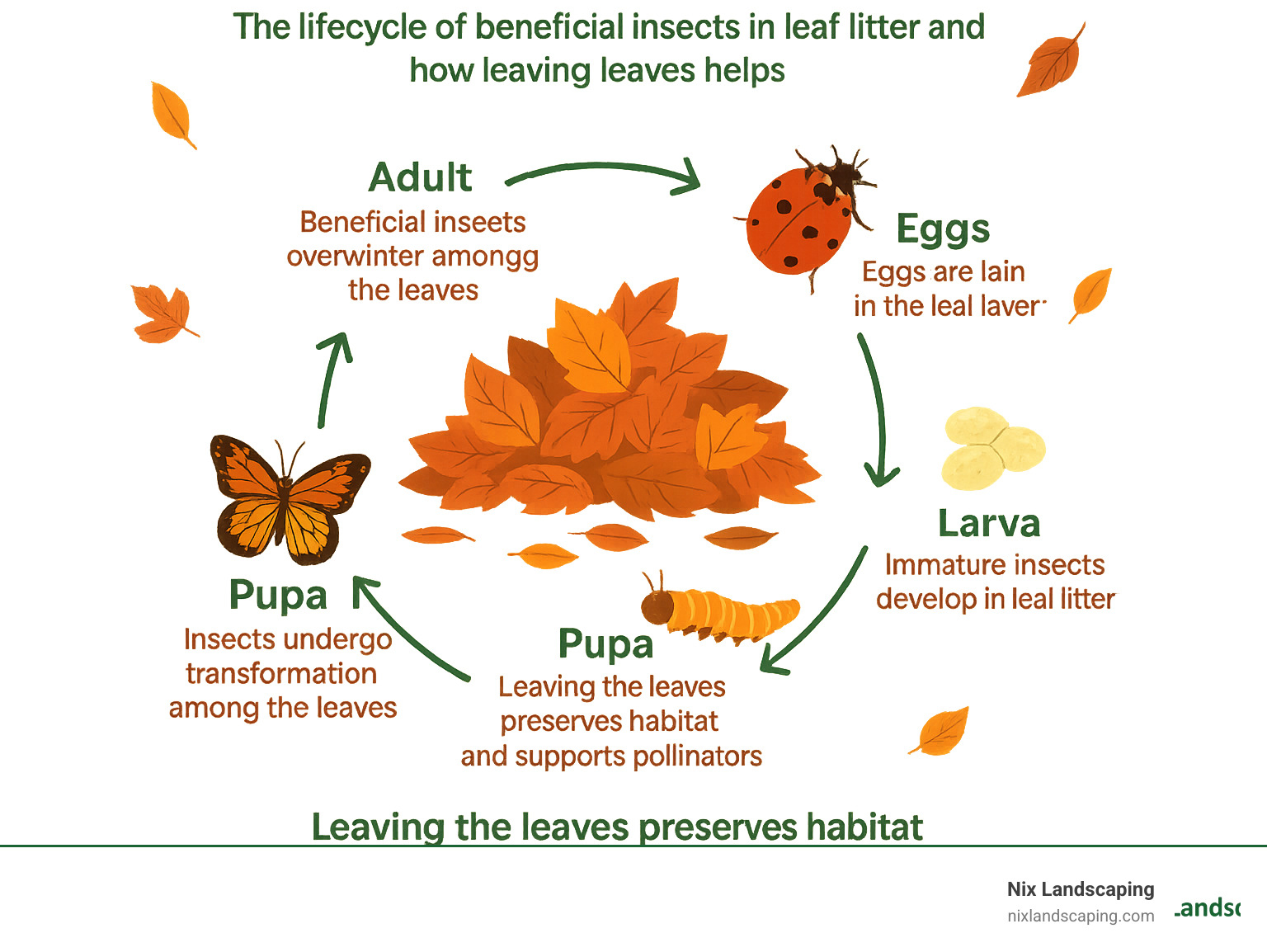
The “leave the leaves” movement has gained momentum in recent years, and for good reason. What we once considered “messy” is actually nature’s way of providing essential habitat and nourishment for countless creatures that keep our gardens healthy.
Working with Nature, Not Against It
Embracing ecological fall clean-up practices can significantly benefit local wildlife, improve soil health, and reduce yard waste, making your landscape more sustainable. It’s about finding the sweet spot between maintaining a beautiful yard and supporting the natural world around us.
Leaving Seed Heads for Wildlife:
Instead of cutting back every perennial, we often leave the seed heads of plants like coneflowers, black-eyed Susans, and ornamental grasses. These provide a crucial food source for birds throughout the winter months, changing your garden into a lively winter haven. There’s something magical about watching finches and sparrows feasting on seeds that would otherwise end up in the compost bin.
The sturdy stems of these plants also add beautiful architectural interest to your winter landscape. When frost covers the dried flower heads, they become natural sculptures that catch the light and create stunning silhouettes against the snow.
Creating Habitat:
Fallen leaves and standing plant material aren’t just “messy” – they’re actually providing vital shelter for overwintering insects, including beneficial pollinators like native bees and butterflies. Many caterpillars, which eventually become the butterflies and moths we love to see in our gardens, rely on leaf litter for protection during the colder months.
We often recommend leaving some areas undisturbed, or even creating small brush piles in inconspicuous corners of your property. These provide crucial refuge for small animals and insects that will emerge in spring to help pollinate your flowers and control pest populations naturally.
Natural Mulch and Soil Enrichment:
Leaves are nature’s mulch! When we mulch mow them into your lawn, or rake them into garden beds, they break down over time, enriching the soil with valuable organic matter and microorganisms. This natural process improves soil structure, increases its water-holding capacity, and provides nutrients for your plants, reducing the need for synthetic fertilizers.
The key is understanding which leaves to leave and which to remove. Only diseased leaves should be taken away from the landscape to prevent the spread of pathogens. Healthy fallen leaves are like a slow-release fertilizer that feeds your soil throughout the winter and into spring.
Reducing Yard Waste:
By leaving leaves in place as mulch or composting them, we significantly reduce the amount of yard waste sent to landfills. This simple change can make a powerful difference in our environmental impact and contribute to a more sustainable landscape. It’s one of those win-win situations where doing less work actually benefits both your garden and the planet.
While a perfectly “neat” garden has its appeal, striking a balance between tidiness and ecological support yields immense rewards. We often perform a thorough leaf clean-up in front beds along walkways for curb appeal, but may wait until spring for back beds, allowing nature to do its work. This approach not only supports biodiversity but often makes spring landscape preparation easier, as many dried stalks pull right up without repetitive pruning.
For more ways to integrate these ecological practices into your year-round care, explore our Garden Maintenance Tips page.
Frequently Asked Questions about Landscaping Fall Clean Up
After years of helping homeowners in Fishers prepare their yards for winter, we’ve heard just about every question you can imagine about landscaping fall clean up. Here are the ones that come up most often, along with honest answers from our experience in the field.
How much do I need to clean up? Is it bad to leave leaves on the lawn?
This is probably our most common question, and the answer depends on how many leaves we’re talking about. A few scattered leaves won’t hurt your grass at all – in fact, they’ll break down and add nutrients to the soil. But when you’ve got a thick blanket covering your lawn, that’s when problems start.
Heavy leaf cover blocks sunlight from reaching your grass and creates a damp environment that’s perfect for fungal diseases like snow mold. We’ve seen lawns that looked like they’d been smothered under a wet blanket come spring – not a pretty sight.
The best approach is to shred them with a mulching mower, which chops them into small pieces that decompose quickly and feed your soil. If that’s not possible, raking them into your garden beds or compost pile works great too. We always aim for that sweet spot where your lawn can breathe but you’re still getting the benefits of natural decomposition.
When is it too late to do a fall cleanup?
The ideal window is after most leaves have fallen but before the first heavy snowfall or ground freeze. Here in Indiana, that usually means we’re wrapping up major cleanup work by mid-December, though every year is different.
You can still tackle some tasks even when it’s cold, but everything becomes much harder once the ground freezes solid. We always tell our clients to prioritize irrigation winterization before the first hard freeze – that’s where you can face the most expensive damage if water freezes in your pipes.
Some lighter cleanup tasks can stretch into early winter if Mother Nature cooperates, but we’ve learned it’s much easier (and more comfortable) to get the heavy lifting done while the weather’s still decent.
Should I trim all my plants back in the fall?
Definitely not! This is one of those old-school gardening rules that we’ve moved away from as we’ve learned more about supporting wildlife and healthy ecosystems.
We do cut back plants that get mushy or are prone to disease – things like hostas, peonies, and phlox. Removing that decaying material helps prevent problems next year. But many perennials like coneflowers, sedum, and ornamental grasses provide winter interest and food for birds throughout the cold months.
It’s really about finding that balance between a tidy appearance and creating habitat for wildlife. We often clean up the front beds that are most visible while leaving some of the back garden areas more natural. Each plant gets evaluated individually – what’s best for its health, what’s best for the birds, and what fits with your overall landscape goals.
The key is understanding that a perfectly manicured garden isn’t necessarily a healthy one. Sometimes a little “messiness” is exactly what nature needs.
Let Us Handle Your Fall Cleanup for a Worry-Free Winter
As the leaves begin their final descent and winter’s chill approaches, you might be feeling a bit overwhelmed by everything that needs to be done. Don’t worry – you’re not alone! A thorough landscaping fall clean up involves many moving parts, from aerating your lawn and winterizing irrigation systems to protecting delicate plants and properly storing equipment.
The good news is that all this preparation truly pays off. When you take the time to properly prepare your lawn, gardens, and equipment now, you’re setting yourself up for success. Come spring, you’ll save countless hours of work and avoid many common problems that plague unprepared landscapes. Your grass will emerge greener, your perennials will bounce back stronger, and your tools will be ready for action.
But here’s the thing – you don’t have to tackle this massive undertaking alone. Many homeowners in the Fishers, IN area have finded the peace of mind that comes with professional help.
At Nix Landscaping, we understand that your time is valuable, and your landscape is an investment worth protecting. Our team brings years of experience to every landscaping fall clean up project, ensuring nothing gets overlooked. We handle everything from the detailed lawn preparation and garden bed maintenance to the technical aspects like irrigation winterization and equipment care.
What sets us apart is our personalized approach. We don’t believe in one-size-fits-all solutions. Instead, we assess your specific property, discuss your goals, and create a customized plan that works for your landscape and your budget. Whether you have delicate perennials that need special attention or mature trees requiring expert pruning, we tailor our services to meet your unique needs.
Our comprehensive seasonal cleanup services cover every aspect we’ve discussed in this guide. From the foundational lawn care that keeps your grass healthy through winter, to the careful balance of ecological practices that support local wildlife while maintaining your property’s beauty.
The best part? You can sit back and relax while we handle the heavy lifting. No more worrying about whether you’ve properly winterized your sprinkler system or wondering if you’ve cut back the right perennials. We take care of it all, giving you the confidence that your landscape is perfectly prepared for whatever winter throws its way.
When spring arrives, you’ll be amazed at how smoothly everything comes back to life. Your neighbors will wonder how your yard looks so much better than theirs – and you’ll know it’s because you invested in proper fall preparation.

