
Introduction
Ever noticed how a beautifully landscaped yard makes you slow down as you drive by? That’s the magic of thoughtful outdoor design – it doesn’t just catch the eye, it lifts your spirits. Investing in your landscape isn’t just about creating a pretty picture; it’s about crafting a space that improves your daily life while potentially boosting your home’s value by up to 15%.
As someone who spends most days changing ordinary yards into extraordinary outdoor retreats, I’ve seen how the right residential landscaping ideas can completely change how a home feels, both to visitors and the people who live there. A well-designed landscape offers the perfect blend of beauty and function – giving you places to relax, entertain, and reconnect with nature just steps from your door.
But great landscapes don’t happen by accident. They start with understanding your property’s unique characteristics – those sunny spots perfect for garden beds, shady corners ideal for woodland plants, and the natural flow of your outdoor space. Before digging into any project, take time for a thorough site survey. Walk your property at different times of day, noting sun patterns, existing features worth keeping, and areas that need improvement.
The payoff goes beyond just curb appeal. Spending time in your garden provides gentle exercise, reduces stress, and creates opportunities for family connection. Whether you’re looking to make a dramatic change or implement small improvements, thoughtful landscaping turns your outdoor space into a true extension of your home – one that reflects your personal style while working with your region’s unique growing conditions.
I’m Kyle Nix, owner of Nix Landscaping in Fishers, Indiana. For over a decade, my team and I have specialized in creating custom outdoor spaces that balance beauty, functionality, and sustainability. We understand the specific climate and soil challenges of our region and design landscapes that will thrive for years to come while requiring the level of maintenance that fits your lifestyle.
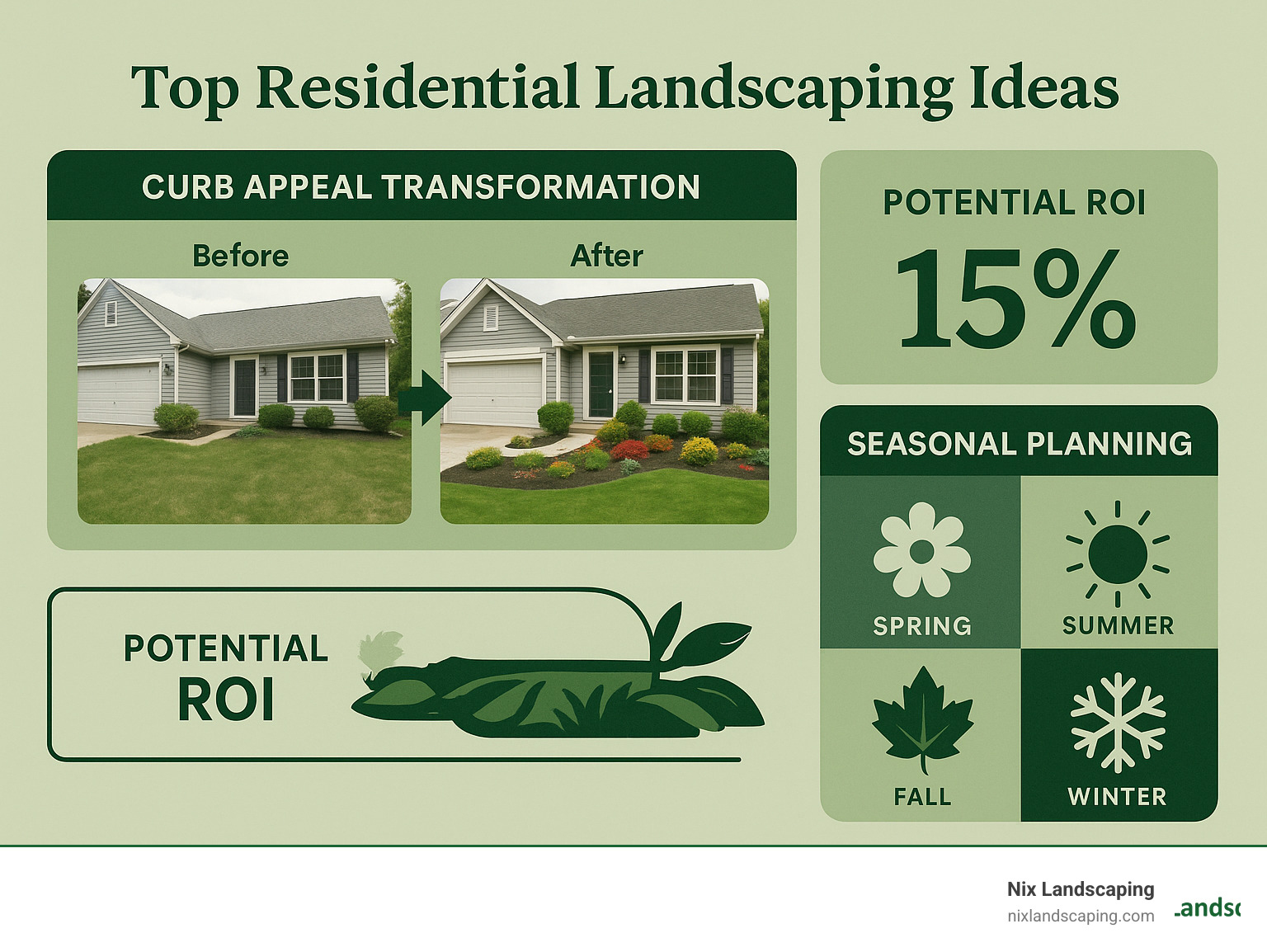
Ready to transform your outdoor space? Let’s explore some residential landscaping ideas that can turn your property into the envy of the neighborhood while creating a haven that you’ll never want to leave.
Residential Landscaping Ideas That Instantly Boost Curb Appeal
First impressions matter, and your home’s exterior is the first thing visitors and potential buyers notice. Well-executed front yard landscaping can speed up a home’s sale by as much as 6 weeks while adding significant value to your property.
I’ve seen it time and again with our clients – thoughtful landscaping is one of the most affordable ways to transform your home’s appearance. When we approach front yard designs at Nix Landscaping, we always begin with a comprehensive site survey. We’ll measure dimensions, note existing features, track sun patterns throughout the day, and even test your soil conditions. This crucial first step ensures we position every plant and hardscape element for maximum visual impact and healthy growth.
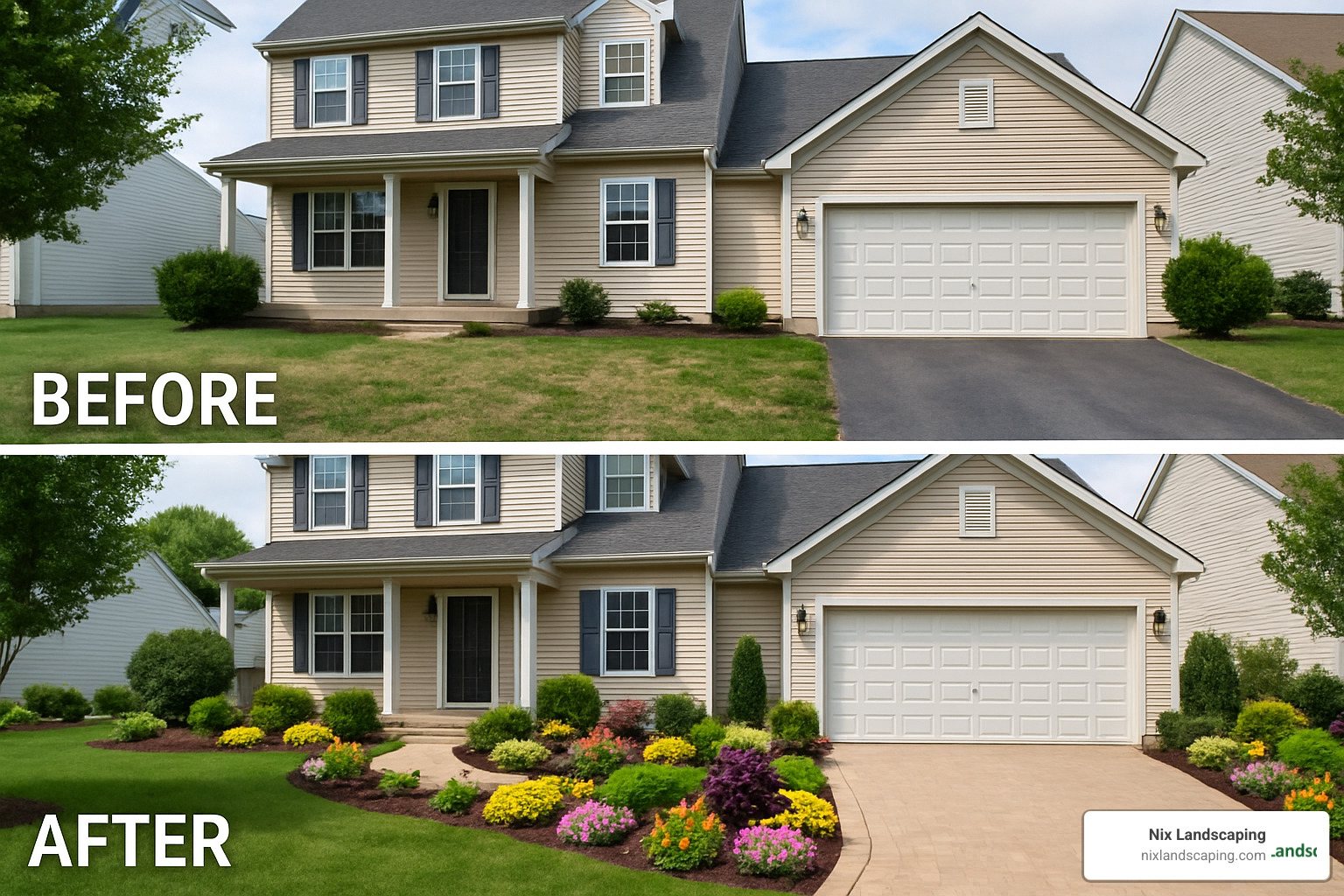
Front-Yard Flower Power residential landscaping ideas
Nothing says “welcome home” quite like vibrant flower beds framing your entryway. When planning your front yard flower displays, think about creating depth through layering – tall specimens at the back, medium heights in the middle, and low-growing varieties in front. This simple technique creates a natural dimension that draws the eye.
For year-round interest, we recommend selecting a thoughtful mix of early, mid, and late-season bloomers. In Indiana, this might mean spring tulips giving way to summer coneflowers, followed by fall asters. The goal is continuous color that keeps your landscape looking fresh regardless of the season.
Color theory plays a significant role too. Complementary colors (those opposite on the color wheel) create vibrant, eye-catching contrast. Think purple salvias against yellow coreopsis. For a more soothing effect, try analogous colors (those adjacent on the wheel) like blues and purples flowing together.
Don’t forget to incorporate pollinator-friendly plants in your design. Not only do they support our local ecosystem, but there’s something magical about seeing butterflies and bees bring your landscape to life. We’ve had clients tell us watching the wildlife has become their favorite part of their new garden!
For easier maintenance, consider incorporating mulch rings around specimen trees and shrubs. They suppress weeds, retain moisture, and create clean, defined edges that make your whole landscape look more polished.
Evergreen Anchors & Privacy Hedges
Think of evergreens as the reliable backbone of your landscape design. When flowering plants have faded and deciduous trees stand bare, these steadfast plants continue providing structure and visual interest throughout winter months.
Boxwoods offer clean lines that can be shaped into precise hedges or neat topiary, perfect for framing architectural features of your home. Yew varieties provide a darker green backdrop that makes flowering plants pop with color. And for those tight spaces where privacy is needed, arborvitae creates tall, narrow screens without taking up much ground space.
One of our clients in Fishers had us install a mixed evergreen border using different heights and textures. “We kept everything very simple on the exterior to allow nature to be center stage,” they told us after the project was complete. This approach creates a sophisticated look that doesn’t overwhelm the home itself.
Here’s a practical tip from our experience with local wildlife: white pines taste like candy to deer, whereas red pines are largely ignored. This simple plant selection insight can save you significant frustration and replacement costs if deer frequent your neighborhood.
Statement Entryways residential landscaping ideas
Your home’s entrance should feel inviting and unmistakable. A narrow concrete path doesn’t exactly roll out the welcome mat, so consider widening your front walk with broader pavers or natural flagstone. This immediately creates a more generous, welcoming approach to your home.
Framing your door with matching containers or architectural plants draws the eye right where you want it – to your entry. We love creating custom house-number planters that incorporate your address into the landscape design itself, making your home both distinctive and easy to find.
Low-voltage lighting along paths not only improves safety but creates magical nighttime appeal. There’s something warm and welcoming about coming home to a softly illuminated landscape that guides you to your door.
Don’t underestimate the charm of a small seating nook near your entry. A simple bench under a tree or a pair of chairs creates a place where neighbors can chat or where you can enjoy morning coffee while watching the world go by.
At Nix Landscaping, we’ve found that these residential landscaping ideas for your entryway create natural transitions from public to private space. They define your property while making guests feel immediately welcome – exactly the first impression most homeowners want to create.
Low-Maintenance Yard Makeovers
Let’s face it—not everyone dreams of spending their weekends pulling weeds or mowing lawns. The good news? Today’s residential landscaping ideas include plenty of beautiful, low-effort options that will have your neighbors thinking you’ve hired a full-time gardener.

Drought-Tolerant Plant Palettes
Water bills climbing? Indiana summers getting hotter? A drought-tolerant landscape might be your saving grace.
“In hot or dry climates, drought-tolerant landscaping is not just recommended—it’s essential,” I often tell my Fishers clients. “We’ve helped many homeowners transition to water-wise landscapes that thrive even during those brutal July heat waves.”
Xeriscaping has become our go-to approach for busy homeowners. By strategically minimizing lawn areas and incorporating drought-resistant plants, we create stunning landscapes that sip rather than gulp water. Clients are often surprised by how lush a water-wise garden can look!
Succulents have exploded in popularity, and it’s easy to see why. These architectural plants come in fascinating shapes and almost alien-like colors. Plus, their water-storing abilities mean they practically laugh at drought. I’ve seen entire front yards transformed with dramatic succulent arrangements that need watering just a few times a month.
For those craving a more traditional garden feel, Mediterranean-inspired landscapes offer the perfect compromise. Lavender, rosemary, and ornamental grasses create a sensory experience that’s both beautiful and practical. One client joked that her new drought-tolerant garden smells so good she’s considering bottling it as perfume.
There’s science behind the satisfaction these gardens bring, too. Research published in Nature suggests spending just 120 minutes weekly in natural settings significantly improves wellbeing. A thoughtfully designed drought-tolerant garden gives you this nature connection without the weekend-consuming maintenance.
Native & Perennial Combos
If you’ve ever envied those effortlessly beautiful gardens that seem to thrive on neglect, you’re probably looking at native plants. These hometown heroes have evolved over thousands of years to flourish in Indiana’s specific conditions.
Native plants practically take care of themselves once established. They’ve adapted to our local soil, rainfall patterns, and even insect pressures. This means you’ll spend less time watering, fertilizing, and spraying—and more time actually enjoying your outdoor space.
“My clients are always amazed when I tell them natives need almost no fertilizer,” shares ecologist Dr. Sarah Miller. “These plants have thrived here long before chemical fertilizers existed.”
Perennials offer exceptional bang for your buck, returning reliably year after year. Unlike annuals that need replacing each spring, established perennials like coneflowers, black-eyed Susans, and daylilies multiply over time. As one of my gardening clients put it, “They’re like compound interest for your garden—they just keep growing and dividing!”
The wildlife benefits are impossible to ignore, too. Native plant gardens become buzzing, fluttering ecosystems supporting local pollinators and birds. Many homeowners tell me watching butterflies visit their gardens has become a favorite morning ritual with their coffee.
Just starting out with native perennials? Check out our Beginner Gardening guide for step-by-step advice custom to Indiana’s unique growing conditions.
Mulch, Rock & Groundcover Hacks
The secret to a truly low-maintenance landscape often lies in what covers the ground. Strategic groundcover choices can dramatically reduce weeding time while enhancing your yard’s visual appeal.
Pine straw mulch has become my go-to recommendation for many Fishers properties. One large bale covers approximately 30 cubic feet—much more area than most wood mulches—and it breaks down slowly, gradually improving your soil. Its natural acidity makes it perfect around evergreens and acid-loving plants like azaleas.
For areas where the wind tends to send lighter mulches flying, river rock provides a permanent solution. “We switched from bark mulch to river rock after our mulch kept blowing into neighbors’ yards,” one relieved homeowner told me. “The rock stays put and provides a clean look year after year.” Plus, the varied colors and textures add visual interest even in winter.
Living groundcovers offer the best of both worlds—the weed-suppressing benefits of mulch with the beauty of living plants. Creeping thyme releases a wonderful fragrance when stepped on, while sedums create carpets of drought-resistant color. One client laughingly calls her ajuga groundcover her “automatic weed strangler” because it so effectively chokes out unwanted plants.
Proper installation of landscape fabric beneath rocks or mulch can further reduce maintenance needs by creating a physical barrier against weeds. Just be sure to use quality material—I’ve seen too many gardens ruined by cheap fabric that deteriorates within a year.
For more comprehensive maintenance strategies throughout the seasons, visit our guide on Yard Maintenance Ideas. We cover everything from spring cleanup routines to fall preparations that will keep your low-maintenance landscape looking its best with minimal effort.
Designing Outdoor Living Spaces for Relaxing & Entertaining
Today’s residential landscaping ideas go far beyond pretty gardens. Your outdoor space can become a true extension of your home—places where memories are made, stress melts away, and connection happens naturally.
Patio & Deck Zones
The magic of a great outdoor living space comes from thoughtful zoning. Think of your yard as a series of outdoor rooms, each with its own purpose.
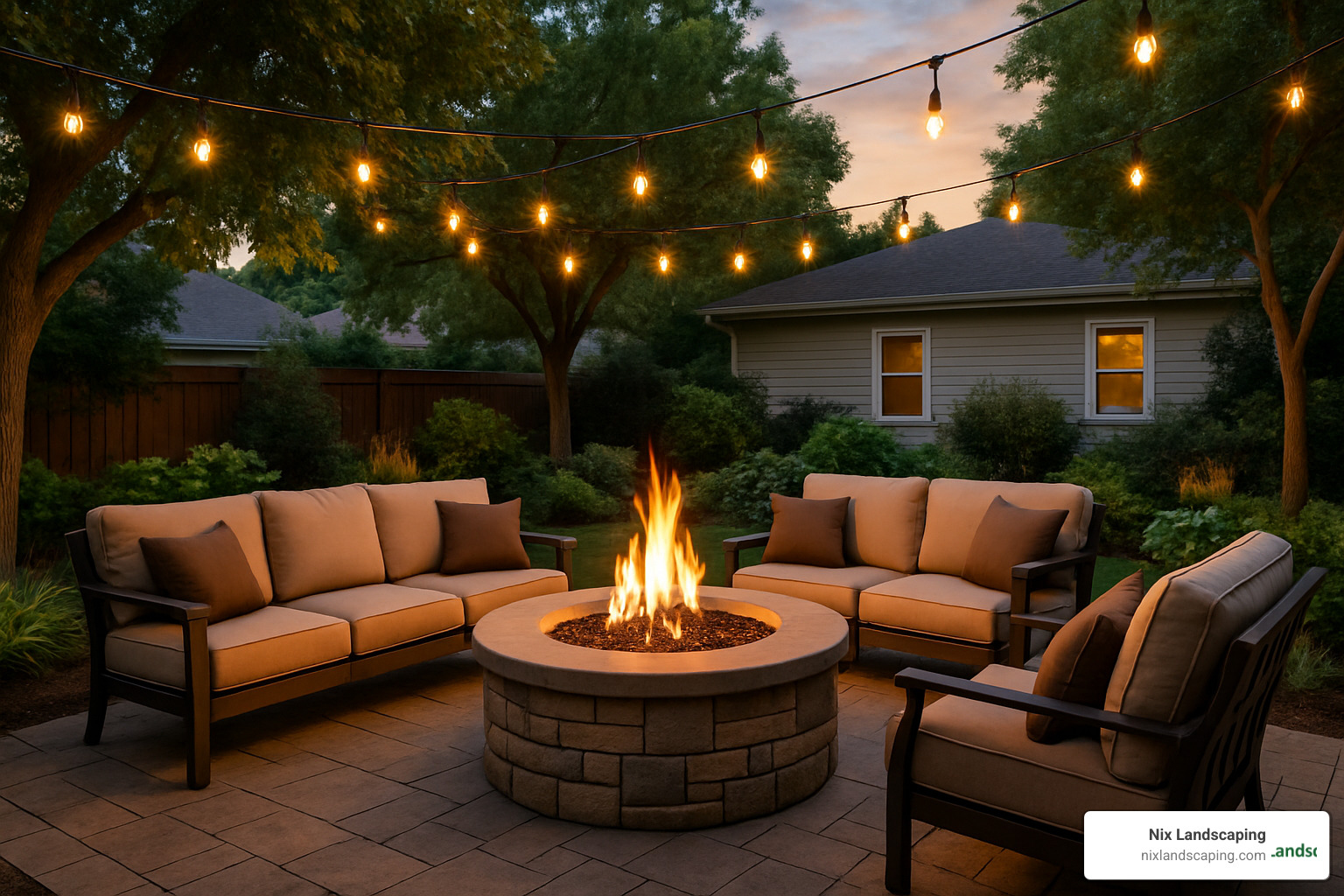
A dining area anchored by a weather-resistant table creates a natural gathering spot for family meals under the stars. Just a few steps away, a conversation pit centered around a fire feature invites lingering conversations that stretch long into evening. For pure relaxation, a lounge space with comfortable seating and shade options offers a perfect spot for afternoon reading or morning coffee.
“A sunken conversation area converted into a stone-lined pit naturally draws people together,” shares landscape designer Emily Johnson. I’ve seen this with clients who tell me their fire pit area has become the heart of family life during three seasons of the year.
Don’t underestimate the power of simple dividers to create these zones. Outdoor rugs instantly define a space, while strategically placed planters create natural flow patterns. A pergola overhead not only provides welcome shade but signals “this is a special place to gather.”
Want to see how we’ve transformed backyards into multi-functional retreats? Check out our Outdoor Living Space Design gallery for inspiration that might spark ideas for your own space.
Functional Hardscape Features
The backbone of any great outdoor living space is thoughtful hardscaping that blends beauty with practicality.
Seat walls have become one of our most requested features at Nix Landscaping. These low walls provide casual seating that never needs to be stored away, while neatly defining the boundaries of your space. For one Fishers family, we designed a curved seat wall that eliminated the need for eight additional chairs when hosting their extended family.
Built-in planters bring life and softness to stone and concrete elements. By integrating greenery directly into your hardscape design, you create a seamless transition between architectural and natural elements. Plus, these liftd planters are easier to maintain than ground-level beds—a win-win for beauty and practicality.
For sloped properties, retaining steps create usable flat spaces while managing erosion concerns. One client’s steep backyard was transformed into three terraced living areas, effectively tripling their usable outdoor space.
“Using the same material for both paving and seat walls creates a unified look,” I often tell clients during initial consultations. “When these elements echo materials from your home’s exterior, the result feels intentional and harmonious—like your outdoor space was always meant to be there.”
After-Dark Ambience
A thoughtfully lit landscape transforms as the sun sets, extending your enjoyment long into the evening hours.
Path lights serve the practical purpose of guiding safe movement through your yard, but they also create a magical corridor of warm welcome. Uplighting directed at specimen trees or architectural features creates dramatic shadows and highlights that aren’t visible during daylight hours—it’s like getting a completely different landscape after dark.
For pure magic, few things beat string lights draped overhead. They create an instant atmosphere of celebration and warmth that guests respond to immediately. And don’t forget water feature lighting—a simple underwater light can transform a daytime fountain into an evening showpiece.
“LED lights offer energy efficiency and longevity that older systems can’t match,” notes lighting designer Thomas Wilson. “And today’s smart systems let you control everything from your phone—dimming for intimate gatherings or brightening for outdoor dinner parties.”
The secret to great landscape lighting is balance—enough light for safety and function, but controlled and directed to create atmosphere without light pollution. Your neighbors will appreciate thoughtful fixtures that illuminate your beauty without shining into their windows.
At Nix Landscaping, we approach outdoor living spaces as an extension of your personal style. Whether you dream of entertaining large groups or creating a private sanctuary, we can help design a space that feels uniquely yours while functioning beautifully for your lifestyle.
Budget-Friendly & DIY Residential Landscaping Projects
Beautiful landscaping doesn’t have to break the bank. Many stunning residential landscaping ideas can be implemented on a modest budget, especially if you’re willing to contribute some sweat equity.
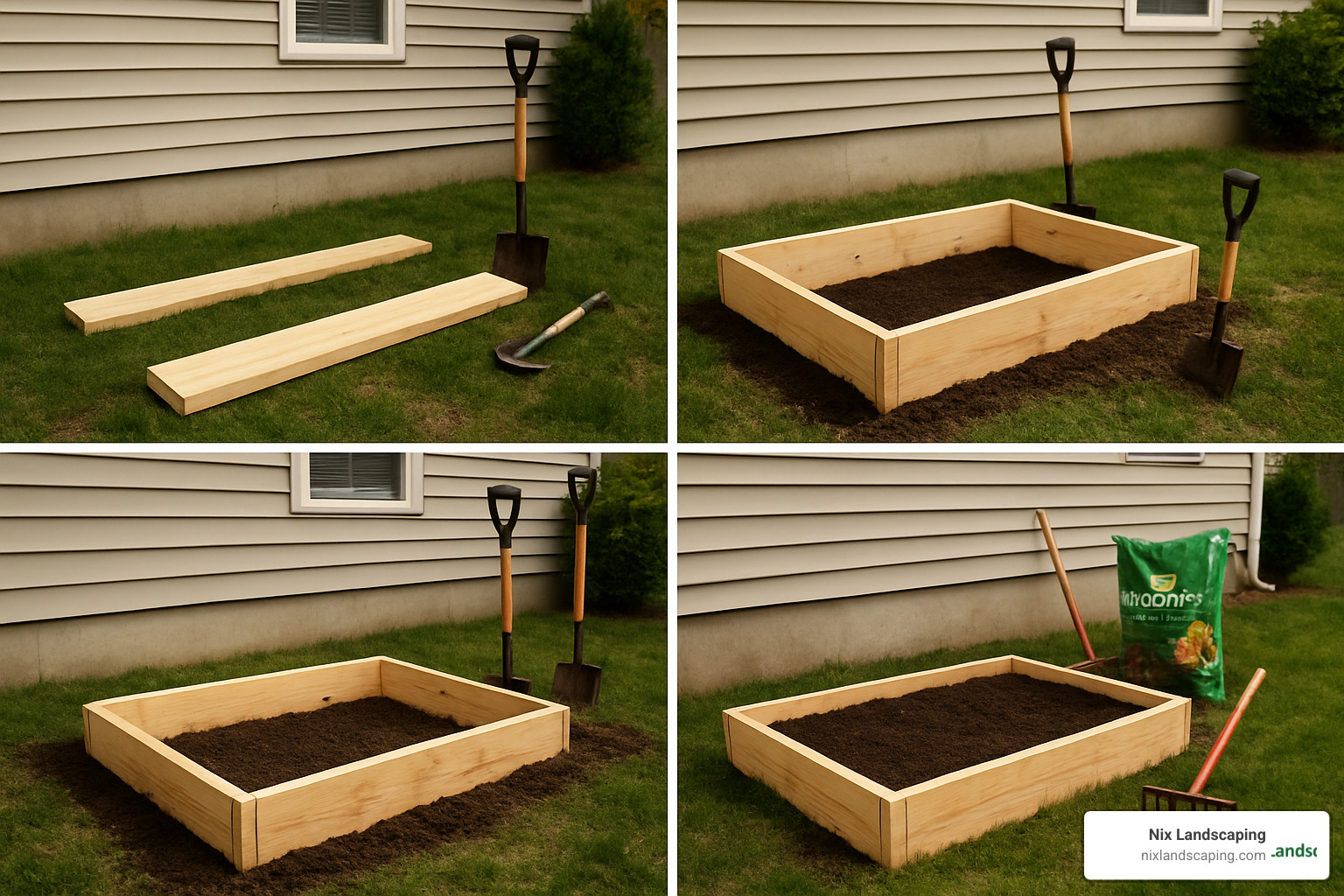
Weekend Projects Under $200
Transform your outdoor space without emptying your wallet! A simple gravel path can define garden circulation beautifully when edged with recycled brick or stone. One Fishers homeowner told us, “We converted old bricks into a garden path for a budget-friendly project. The weathered look actually improved our cottage-style garden design.”
Ready for evening gatherings? Many home improvement stores offer affordable kit fire pits that can be assembled in a single afternoon, instantly creating a focal point for outdoor entertaining. Pair this with a handcrafted cedar trellis to add vertical interest and support for climbing plants like morning glories or clematis.
“Changing your backyard into a fabulous outdoor retreat doesn’t have to be complicated,” says Kyle Nix. “Some of our clients’ favorite features started as simple weekend projects that evolved over time.”
For instant impact, try creating container gardens by grouping pots of different heights and styles. This approach gives you flexibility to rearrange as needed and experiment with plant combinations before committing to in-ground planting.
Plant Swaps & Bareroot Bargains
Smart gardeners know the secret to building an impressive landscape on a budget: community resources and timing. Join local gardening groups where members divide and share perennials – these community exchanges often yield healthy, locally-adapted plants for free.
“I received hostas, ferns, and ornamental grasses from relatives and supplemented with seed-grown annuals,” shared one budget-conscious gardener. This approach allows you to acquire a diverse plant collection while building connections with fellow garden enthusiasts.
Watch for county tree sales where conservation districts typically offer native tree and shrub seedlings for just $1-2 each. Though small at first, these plants quickly establish when properly cared for. Similarly, don’t overlook end-of-season sales when nurseries dramatically discount healthy plants to clear inventory.
For significant savings, one gardener advised: “Purchasing bareroot perennials online can significantly reduce cost compared to nursery-grown specimens, often at 50-75% savings.” These dormant plants establish quickly when planted at the right time and with proper care.
Already have established perennials? Consider division projects – splitting mature plants creates multiple new specimens from a single purchase. This works particularly well with daylilies, hostas, and ornamental grasses.
Smart Tech on a Budget
Technology can streamline your landscaping process without significant expense. Design apps like Home Outside allow you to visualize changes before lifting a shovel, helping avoid costly mistakes.
A digital garden journal on your phone helps track successes and challenges, creating a personalized guide to what works in your specific conditions. “I created vision boards from plant catalog cut-outs to plan my garden layout and bloom sequence before purchasing a single plant,” shared one creative homeowner. This approach helps visualize the final result while staying within budget.
Inexpensive moisture meters can prevent both over-watering (which wastes resources) and under-watering (which can kill plants), paying for themselves quickly in plant savings. And don’t underestimate the value of social platforms like Pinterest and Instagram, which provide endless inspiration without costing a dime.
At Nix Landscaping, we believe beautiful outdoor spaces should be accessible to everyone. We’re happy to suggest budget-friendly approaches or help you tackle projects in phases to spread costs over time. For more DIY inspiration and step-by-step guides, visit our DIY Garden Projects page where we share our favorite weekend changes.
Hardscaping Essentials: Patios, Paths & Retaining Walls
Hardscaping forms the backbone of any successful landscape, providing structure, function, and year-round appeal regardless of seasonal changes.
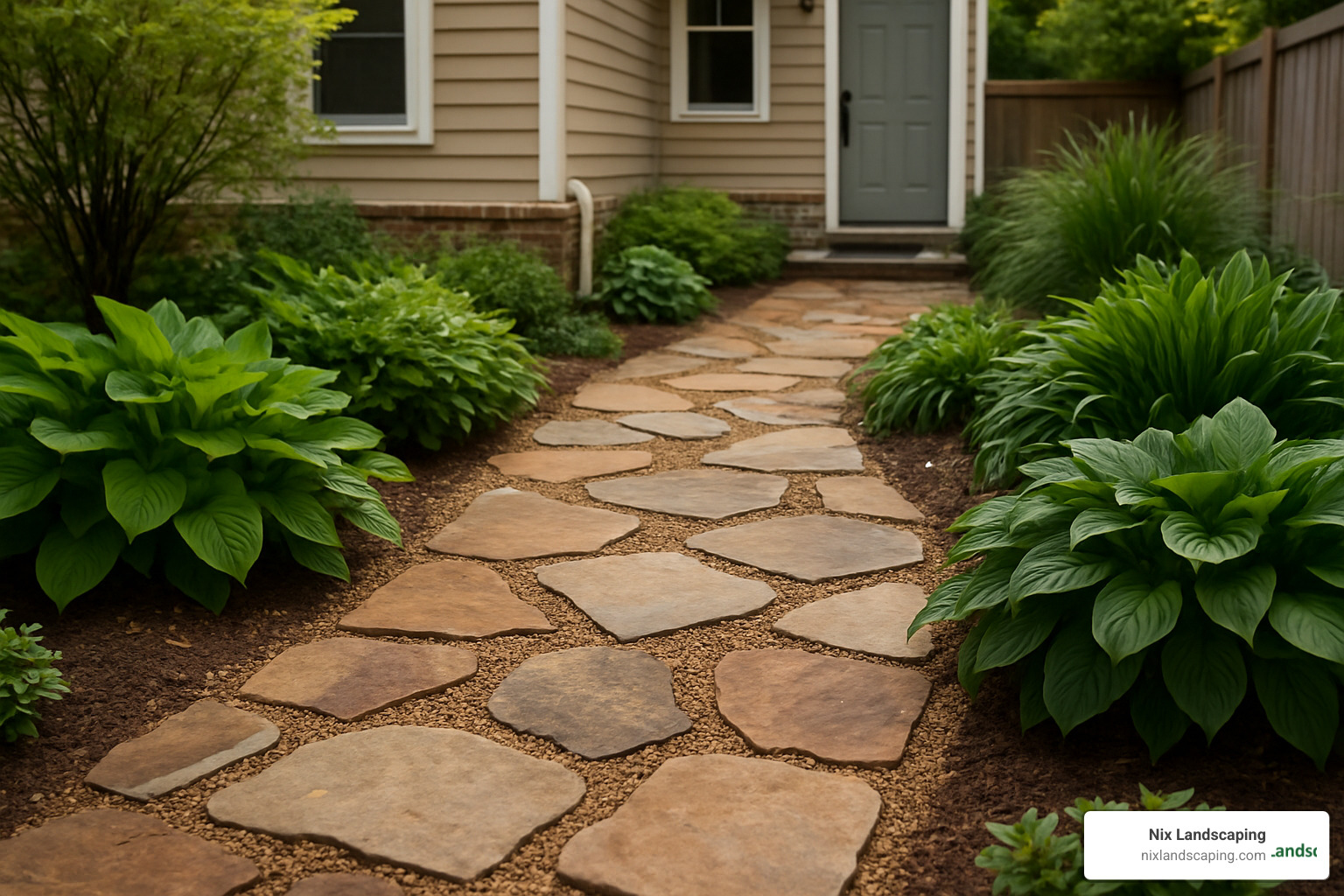
Choosing the Right Materials
The materials you select for your hardscaping dramatically impact both the look of your landscape and how much time you’ll spend maintaining it. I’ve seen countless homeowners fall in love with a particular stone or paver, only to find it wasn’t the best fit for their lifestyle or climate.
Flagstone brings natural beauty and organic charm to any space. Each piece has unique coloring and texture that creates a one-of-a-kind installation. However, be prepared for some ongoing care – these natural stones may shift over time and require occasional resetting, plus you’ll need to manage weeds that find their way between the stones.
Pavers offer consistency in both color and shape, making them perfect for more structured, formal designs. They’re generally easier to install than natural stone and come in a wide range of styles that can mimic everything from cobblestone to sleek modern surfaces.
Brick has a timeless, warm appeal that complements traditional architecture beautifully. There’s something inherently welcoming about a brick pathway leading to your front door. Plus, brick tends to age gracefully, developing character over the years rather than simply looking worn.
Gravel is your budget-friendly option that still delivers on style, especially in casual or Mediterranean-inspired gardens. It’s naturally permeable, allowing rainwater to soak through rather than run off, which is a big plus for environmental considerations.
“Stone creates a pleasing backdrop full of drama and elegance,” notes landscape architect Jennifer Davis. “When selecting materials, consider not just appearance but also how they’ll weather in your climate and the maintenance they’ll require.”
At Nix Landscaping, we help our Fishers clients balance their initial investment against long-term maintenance needs. For example, permeable pavers might cost more upfront but can save headaches down the road by reducing drainage issues and potential water damage to your property.
Elevating Slopes with Retaining Walls
That sloped yard that’s been giving you fits? It might actually be a design opportunity in disguise. A thoughtfully constructed retaining wall can transform an awkward incline into one of your landscape’s most striking features.
Boulder tiers create a naturalistic look that blends beautifully with the surrounding landscape. We often incorporate flowering plants between the rocks to soften the appearance and add seasonal color. One of our clients in Fishers described her boulder wall as “looking like it’s always been there” – exactly the effect we were aiming for.
Drainage fabric is the unsung hero behind every successful retaining wall. Without proper drainage, water pressure can build up behind your wall and eventually cause it to fail. This invisible component is absolutely essential, especially in our Indiana climate where freeze-thaw cycles put extra stress on hardscaping.
Planting pockets strategically placed within retaining walls help the structure blend with your landscape while providing unique planting opportunities. Trailing plants like creeping phlox or sedums can cascade over the edges, softening the hard lines of the stonework.
“Layering stones adds depth and dimension on sloped yards or flower beds,” explains Kyle Nix. “We recommend incorporating planting pockets within retaining walls to soften their appearance and integrate them into the overall landscape.”
Before starting any retaining wall project, be sure to check your local building codes. Walls over a certain height typically require permits and professional engineering to ensure safety. For complex projects, our Landscaping Patio Contractors team can handle everything from design to permitting to construction.
Integrating Water & Fire Features
Nothing creates a focal point quite like the elemental contrast of water and fire features. These sensory elements transform ordinary outdoor spaces into memorable retreats that engage multiple senses.
Small ponds bring life to your landscape – literally! Even modest water features attract birds, beneficial insects, and other wildlife. The gentle sound of water creates a peaceful backdrop that helps mask road noise and neighbor sounds. One client told me that sitting by her small pond after work had become her favorite stress-reliever, better than any meditation app.
Cascading fountains deliver many of the benefits of a pond with significantly less maintenance. The sound of moving water creates an instant sense of tranquility, while the visual movement draws the eye and creates interest. Plus, modern fountain designs range from sleek and contemporary to charmingly rustic, complementing any landscape style.
Fire bowls have become the modern alternative to traditional fire pits, functioning as sculptural elements even when not in use. They create natural gathering spots where conversations flow more easily – something about flickering flames seems to encourage sharing and connection. As one homeowner put it, “Our fire bowl is where the phones stay in pockets and real talking happens.”
Sensory focal points that combine both water and fire create truly dramatic effects that can lift even the most simple backyard. Imagine the dancing reflection of flames on water as twilight settles over your outdoor gathering – it’s pure magic.
“A simple birdbath or a small bubbling fountain can improve the ambiance of any yard,” notes water feature specialist Michael Chen. “The sound of moving water masks traffic noise and creates a sense of tranquility.”
When planning these features, we always consider practical matters alongside aesthetics. Solar-powered pumps can reduce operating costs for water features, while recirculating systems minimize water usage – important considerations for both your wallet and the environment. And safety is always paramount, especially with fire features or ponds in households with small children or pets.
| Material | Initial Cost | Maintenance Level | Lifespan | Best For |
|---|---|---|---|---|
| Concrete | Low-Medium | Low | 25+ years | Modern designs, budget-conscious projects |
| Flagstone | High | Medium | Lifetime | Natural, organic designs with character |
The right hardscaping creates the framework that allows your entire landscape to shine. Whether you’re looking to solve practical problems like erosion or drainage, or simply wanting to create more usable outdoor living space, thoughtful hardscaping is the key to a landscape that’s both beautiful and functional.
Sustainable & Eco-Friendly Landscaping Practices
Today’s homeowners are increasingly drawn to residential landscaping ideas that do more than just beautify their property—they want outdoor spaces that contribute positively to the environment while reflecting their personal values.
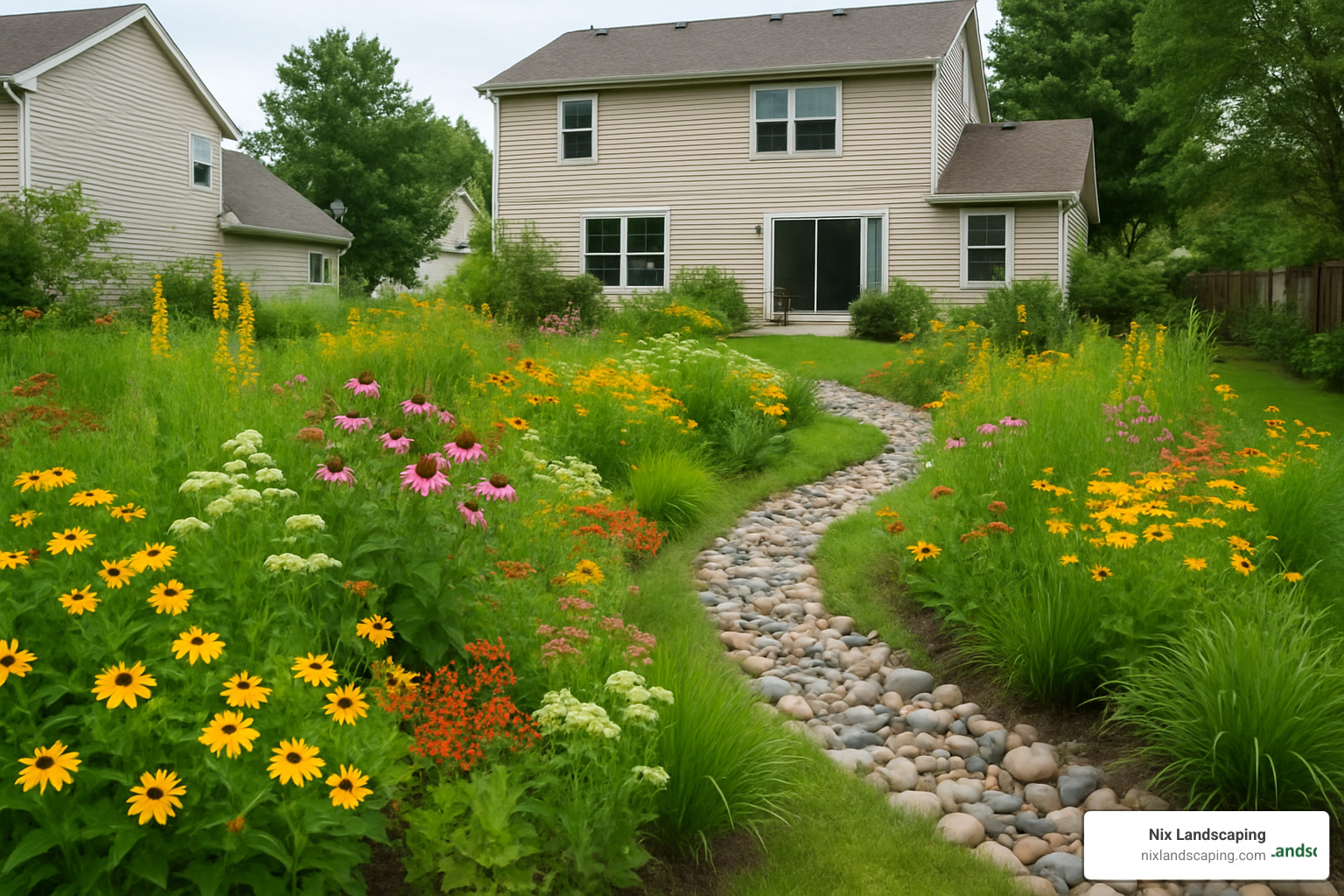
Rainwater Harvesting & Smart Irrigation
Water is precious, and thoughtful conservation strategies can benefit both the environment and your monthly utility bills. I’ve seen how incorporating rain gardens can transform problem areas in a yard. These specially designed depressions capture runoff and allow it to slowly percolate into the soil, turning what might have been a soggy mess into a thriving ecosystem.
“We designed a dry creek bed that doubles as a drainage solution,” shared one of our Fishers homeowners. “During heavy rains, it channels water away from the foundation, while in dry periods, it serves as an attractive landscape feature with river rocks and drought-tolerant plants.”
Rain barrels offer another practical solution for collecting roof runoff. Many of our clients are surprised by how much water they can harvest from even a moderate rainfall. This stored water becomes liquid gold during dry spells, perfect for keeping garden plants happy without turning on the tap.
For those looking to maximize efficiency, drip irrigation delivers water directly to plant roots, dramatically reducing evaporation and waste. When paired with smart controllers that adjust watering schedules based on weather conditions and soil moisture, you can cut water usage by up to 50% while maintaining a lush landscape.
At Nix Landscaping, we always conduct thorough site assessments to identify natural drainage patterns. Working with your property’s existing characteristics rather than fighting against them saves both money and future headaches.
Pollinator & Wildlife Gardens residential landscaping ideas
Creating habitat for beneficial creatures isn’t just good for the environment—it brings your garden to life in the most literal sense. One spring morning, I watched a client’s face light up as she spotted the first monarch butterfly visiting her newly planted milkweed. These moments of connection with nature are priceless.
Butterfly host plants like milkweed for monarchs and parsley for swallowtails support complete life cycles, not just feeding adult butterflies but nurturing the next generation. Paired with bird-friendly shrubs that provide both protective shelter and nutritious berries, your landscape becomes a sanctuary for feathered visitors year-round.
Even small additions like insect hotels—structured habitats for beneficial insects—can help control garden pests naturally. One client told me her tomato harvest doubled after adding a simple bee house and insect habitat near her vegetable garden.
“A property in Fishers planted 550 native trees to convert a scruffy pasture into a biodiverse habitat,” notes conservation specialist Amanda Lee. “Within just three years, they documented over 30 bird species and numerous beneficial insects.”
Don’t forget about water sources! Simple bird baths provide essential hydration for wildlife, especially during hot summer months. I recommend placing them where you can view them from a favorite window—the wildlife activity becomes better than television.
For maximum impact, consider dedicating even a small portion of your landscape to native plant communities. Even modest meadow strips or woodland edge plantings can significantly boost biodiversity while reducing maintenance needs.
Lawn Alternatives & Carbon-Smart Choices
The perfect green carpet of grass has been the American dream for decades, but traditional lawns require significant resources to maintain. Many of our clients are now embracing smarter alternatives that still provide beautiful, usable spaces.
No-mow fescue varieties naturally stay shorter and require less frequent cutting, saving both time and fuel. For those who still want the look and feel of a traditional lawn, micro-clover lawns offer impressive benefits—they’re drought-resistant, stay green longer, and naturally add nitrogen to the soil without chemical fertilizers.
Ground covers like creeping thyme or sedum can replace grass in low-traffic areas, creating carpets of color that choke out weeds naturally. One client replaced their difficult-to-mow slope with a sedum garden that now requires virtually no maintenance while providing year-round interest.
“We replaced half our front lawn with a native plant garden,” shared an environmentally conscious homeowner in Fishers. “Not only did our water bill decrease by 30%, but we now enjoy watching goldfinches and hummingbirds visit regularly. The neighbors stop to chat about it all the time, which has been an unexpected social bonus!”
Making carbon-smart choices extends to your equipment too. Switching from gas-powered to electric lawn tools reduces emissions and noise pollution. Many of our clients appreciate the quiet operation of modern battery-powered equipment—no more disturbing the neighborhood peace on Saturday mornings!
For comprehensive sustainable landscape design that balances ecological benefits with aesthetic appeal, explore our Backyard Landscape Ideas that incorporate eco-friendly practices while still creating spaces your family will love to use.
At Nix Landscaping, we believe that sustainable choices don’t mean sacrificing beauty or function. In fact, the most harmonious landscapes are often those that work with nature rather than against it, creating outdoor spaces that will thrive for years to come with minimal intervention.
Frequently Asked Questions about Residential Landscaping Ideas
What are the hottest residential landscaping ideas right now?
When clients ask me about current trends, I always smile because landscaping is constantly evolving. Right now, I’m seeing homeowners fall in love with creating true outdoor rooms – spaces that feel as comfortable and functional as indoor living areas, just with the added benefit of fresh air and natural beauty.
Many families are also embracing edible landscaping, blending beautiful ornamentals with productive plants that provide fresh herbs and vegetables right outside their door. There’s something deeply satisfying about serving a salad with ingredients you harvested minutes before dinner.
The formal, manicured look is giving way to more naturalistic plantings that mimic meadows and woodland edges. These looser designs not only look beautiful but also support more wildlife and often require less maintenance – a win-win in my book!
Smart technology has definitely entered the garden, with irrigation systems you can control from your phone and lighting that can be programmed for different moods or occasions. I’ve even had clients install robotic mowers that quietly keep their lawn trimmed without any effort on their part.
One trend I’m particularly happy about is the focus on multi-season interest. Gone are the days when gardens looked spectacular for two weeks in spring and then faded into the background. Today’s thoughtful designs offer something beautiful to enjoy year-round, from spring blooms to summer textures, fall color, and winter structure.
“Every yard should be as unique as the homeowner’s personality,” I often tell my clients at Nix Landscaping. “While trends provide inspiration, the most successful landscapes reflect the specific needs and preferences of the people who use them daily.”
How much should I budget for a complete residential landscape?
This is probably the question I hear most often, and it’s also one of the trickiest to answer without seeing a specific property. The range can be quite wide depending on your goals and property size.
As a general guideline, many homeowners invest about 10% of their home’s value in landscaping. This might sound substantial, but quality landscaping can increase property values by up to 15%, making it one of the few home improvements that can actually pay for itself over time.
If you’re working with a professional designer, you’ll typically invest between $2,000 and $8,000 for the design services, depending on the complexity of your project and the level of detail needed. This investment often saves money in the long run by preventing costly mistakes and creating a cohesive plan.
The installation phase is where costs vary most dramatically. Hardscaping elements like patios, walls, and driveways represent the largest expenses but also provide the structural backbone that will last for decades. Plant material costs depend on size, variety, and quantity, with mature specimens commanding premium prices.
Many of our clients at Nix Landscaping opt for phased implementation, spreading larger projects over 3-5 years. We typically recommend starting with major hardscaping and infrastructure (drainage, irrigation), then adding trees and structural shrubs, and finally incorporating perennials and seasonal elements. This approach makes the budget more manageable while still working toward a cohesive final result.
How do I start if I’m a complete beginner?
First, take a deep breath! Everyone starts somewhere, and creating a beautiful landscape is a journey, not a race. I’ve helped hundreds of beginners transform their yards, and I always recommend starting with observation.
Spend time in your yard at different times of day, noting where the sun falls, where water collects after rain, and which views you want to highlight or screen. Take photos of your property through the seasons to understand how light and conditions change. This simple step will give you valuable insights before you spend a penny.
Next, think about how you want to use your outdoor space. Do you dream of entertaining friends around a fire pit? Creating a peaceful retreat for morning coffee? Growing vegetables for your family? Having a safe play area for children or pets? Your priorities will guide your decisions.
Start small rather than tackling everything at once. Choose a single area – perhaps the front entry or a patio area – and focus on making it beautiful and functional. Success in this first project will build your confidence for larger undertakings.
Understanding your soil is crucial for plant success. Most county extension offices offer affordable soil testing services that will tell you your soil type and pH, helping you select plants that will thrive rather than struggle.
Even if you’ll implement your landscape over several years, creating a master plan ensures that each phase contributes to a cohesive whole. This doesn’t have to be elaborate – even a simple sketch showing major features and planting areas will help guide your decisions.
“Map sun and shade patterns in your yard before selecting plants,” advises garden coach Emily Wilson. “This simple step prevents the common mistake of putting sun-loving plants in shady spots where they’ll struggle.”
Community resources can be invaluable for beginners. “I attended free workshops at our local extension office and joined a neighborhood garden club,” shared one new homeowner in Fishers. “The advice from experienced gardeners saved me from costly mistakes.” At Nix Landscaping, we also offer consultations specifically designed to help new homeowners understand their property’s potential and limitations.
Gardens evolve over time, and there’s joy in the process. Even professional landscapers like myself are constantly learning and experimenting. The most beautiful landscapes are those that develop gradually with care and attention to the unique characteristics of both the property and the people who call it home.
Conclusion
Creating your dream landscape is a journey, not a destination. The best residential landscaping ideas evolve over time as you learn more about your property, your preferences, and the plants that thrive in your specific conditions. It’s about building a personalized outdoor space that reflects who you are while working with nature’s rhythms.
At Nix Landscaping, we’ve found that the most successful outdoor changes begin with a thoughtful master plan. This doesn’t mean you need to implement everything at once – in fact, a step-by-step approach often yields better results. We love sitting down with homeowners to map out a vision that can unfold over seasons or even years, allowing your landscape to mature naturally and your budget to stretch further.
Many of our clients tell us that breaking their landscaping dreams into manageable phases has made the process enjoyable rather than overwhelming. Starting with the structural elements like patios and pathways creates the bones of your landscape, while plants can be added gradually to fill in the picture. As one Fishers homeowner shared, “Having a plan kept us focused, even though we implemented it over three summers. Each phase felt like a celebration!”
Maintenance is another crucial piece of the puzzle. Even the most stunning landscape design will falter without appropriate care. Our single-point maintenance approach means you’ll work with the same team who designed and installed your landscape – professionals who understand the intention behind every plant and hardscape element. This continuity ensures your outdoor space matures exactly as envisioned.
What truly sets the Nix Landscaping difference apart is our local expertise. We understand Indiana’s unique climate challenges, from summer heat waves to winter freezes. We know which plants thrive in our clay soils and which hardscape materials stand up to our seasonal temperature swings. This regional knowledge translates into landscapes that look beautiful and perform beautifully year after year.
Whether you’re dreaming of a complete property makeover or looking to improve a specific area, our team brings the creativity, technical skill, and genuine care needed to make your outdoor vision a reality. From that first site survey through design, installation, and ongoing care, we’re with you every step of the way.
Ready to transform your outdoor space with residential landscaping ideas custom to your lifestyle? Explore our full-service landscaping options or reach out to schedule a friendly, no-pressure consultation. Your ideal landscape isn’t just a possibility – it’s waiting to happen.

