
The Complete Guide to Retaining Wall Finishing Options
Retaining wall finishing options? Here’s a quick answer to help you decide:
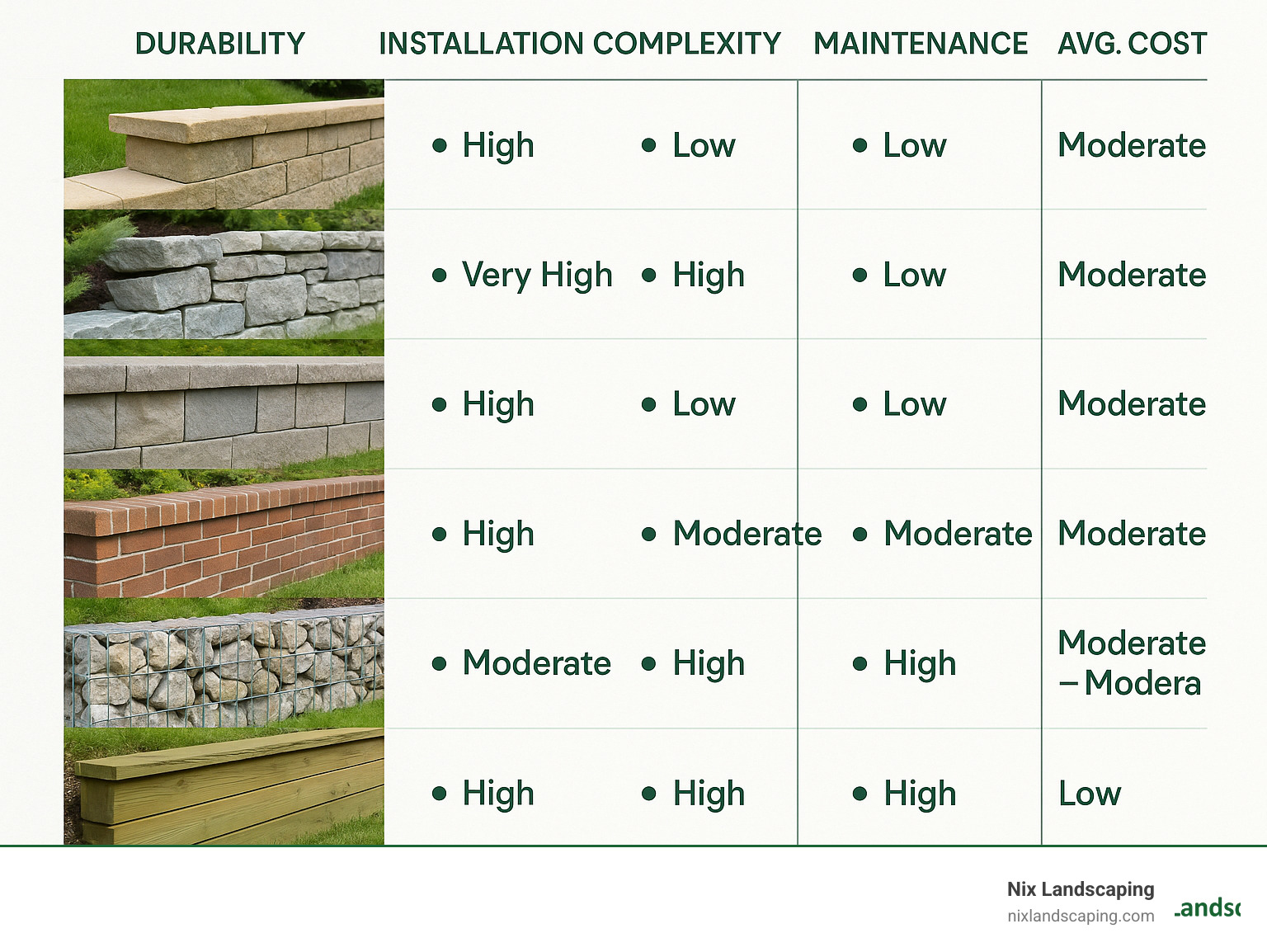
| Finish Type | Best For | Durability | Cost |
|---|---|---|---|
| Capstones | All wall types | High (20-30% longer wall life) | Moderate |
| Natural Stone | Upscale landscapes | Very High (50-100 years) | High |
| Concrete (stamped/textured) | Versatility & cost-effectiveness | High | Low-Moderate |
| Brick Veneer | Classic aesthetics | High | Moderate |
| Gabion | Drainage & fast installation | High | Low-Moderate |
| Timber | Rustic appeal | Moderate (15-20 years) | Low |
| Corten Steel | Modern design | High | Moderate-High |
A well-finished retaining wall does more than just hold back soil—it transforms your landscape into a visual masterpiece while extending the wall’s lifespan. The right finish can increase your property value, reduce maintenance needs, and provide that perfect finishing touch to your outdoor space. Whether you’re dealing with a sloped yard or simply want to add dimension to your landscape, the finishing options for your retaining wall can make all the difference between a purely functional structure and a stunning landscape feature.
When considering your options, think about how the finish will complement your home’s architecture, withstand your local climate conditions, and fit within your budget. The best finishes not only look great but also protect your investment by adding a protective layer against moisture, freeze-thaw cycles, and general wear.
I’m Kyle Nix, owner of Nix Landscaping in Fishers, Indiana, and I’ve helped hundreds of homeowners transform their outdoor spaces with expertly designed and finished retaining walls. My years of experience with retaining wall finishing options have taught me that the right finish not only improves aesthetics but significantly extends wall longevity and reduces long-term maintenance costs.
Basic Retaining wall finishing options? vocab:
– Affordable retaining wall options?
– Best plants for retaining walls?
– Retaining wall drainage solutions?
Retaining Wall Finishing Options? Material-by-Material Breakdown
When homeowners in Fishers and nearby Indiana communities ask me about retaining wall finishing options, I always explain that a good finish serves two important purposes. First, it creates that wow-factor for your landscape. Second, it protects your wall from the elements. Think of it as both the beauty and the armor of your retaining wall. Let’s walk through the options I’ve found work best in our Indiana climate:
Concrete & Block: Answering “Retaining wall finishing options?” for modern builds
Concrete and block finishes have become my go-to recommendation for modern homes throughout Indiana. They’re incredibly versatile and give you a lot of bang for your buck.
Stamped concrete lets us create patterns that look just like natural stone or brick, but at a fraction of the cost. My clients love that we can match colors to their existing landscape features. For a more textured look, split-face blocks offer that rough, natural appearance that works beautifully in contemporary designs.
Many DIY-minded homeowners appreciate interlocking block systems that fit together without mortar. They’re straightforward to install and usually come with matching capstones for a finished look.
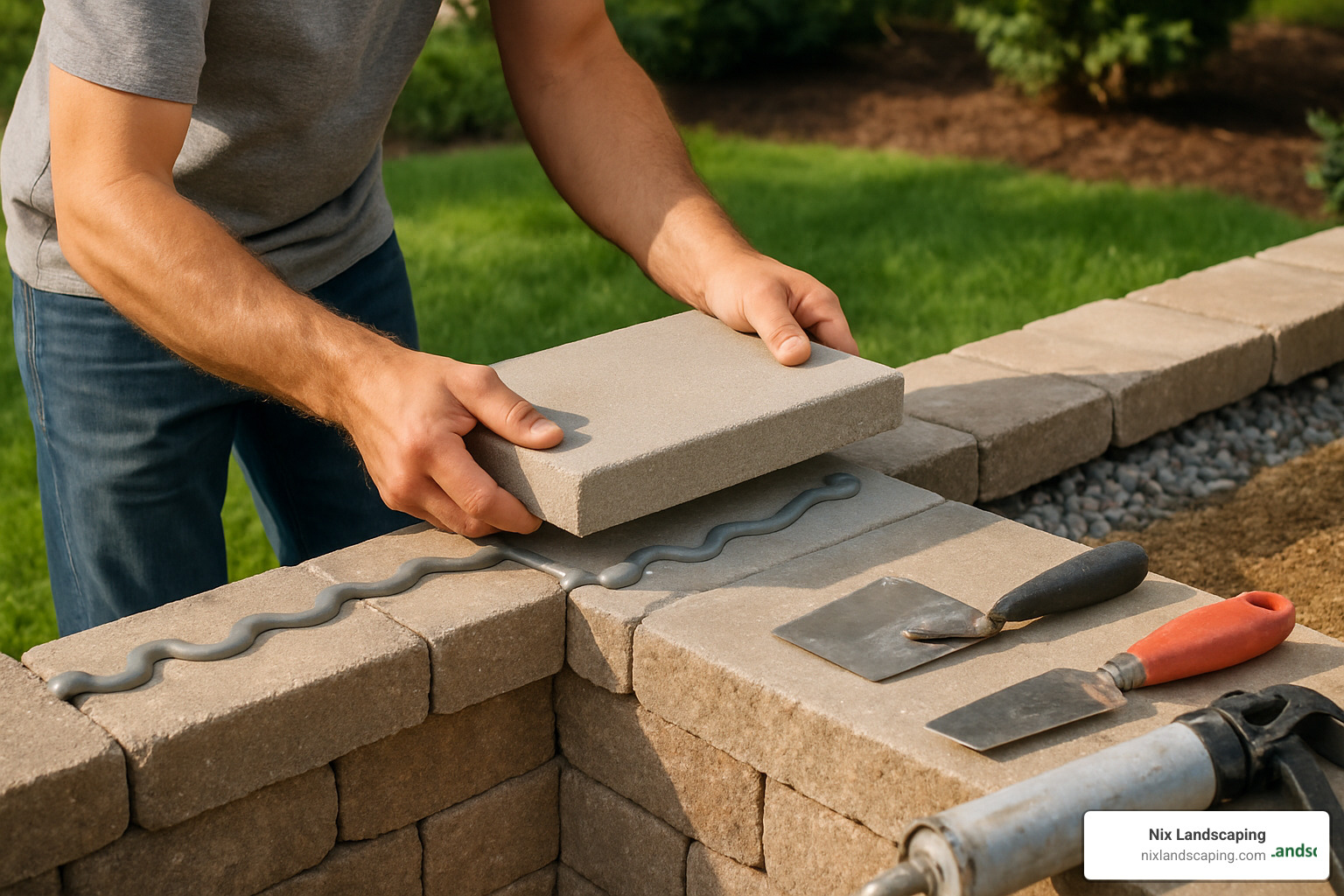
Speaking of which, don’t underestimate the importance of capstones (also called coping). These specialized top pieces aren’t just decorative—they’re functional too. In our Indiana winters, properly installed capstones can extend your wall’s life by 20-30% by directing water away from the wall and preventing freeze-thaw damage.
For long-term protection, I recommend concrete sealers to guard against moisture, stains, and sun damage. In our climate, you’ll want to reapply every 3-5 years to keep everything looking fresh.
If you’re watching your budget but still want something attractive, concrete block walls with decorative capstones offer the best value. More info about affordable walls
Stone & Masonry: Timeless takes on “Retaining wall finishing options?”
There’s something special about natural stone that just can’t be replicated. When installed correctly, stone finishes can last 50-100 years in our Indiana climate.
Dry-stack stone walls have that beautiful rustic charm that feels like they’ve been part of the landscape forever. This method uses carefully selected stones fitted together without mortar. It takes skill (trust me!), but the drainage is excellent and the look is distinctive.
For a more formal appearance, mortared stone provides clean lines and extra stability. I often recommend this approach for front yards where you want a more polished look.
Many of my clients love how brick accents can tie a stone wall into their brick home. These small touches create visual harmony across your property.
If natural stone is beyond your budget, stone veneer gives you the same look at a lower cost. It’s a thin layer of stone (natural or manufactured) that we apply to a structural wall.
To protect the top of any masonry wall, coping stones are a must. These flat stones cap the wall and often include a slight overhang to direct water away from the face.
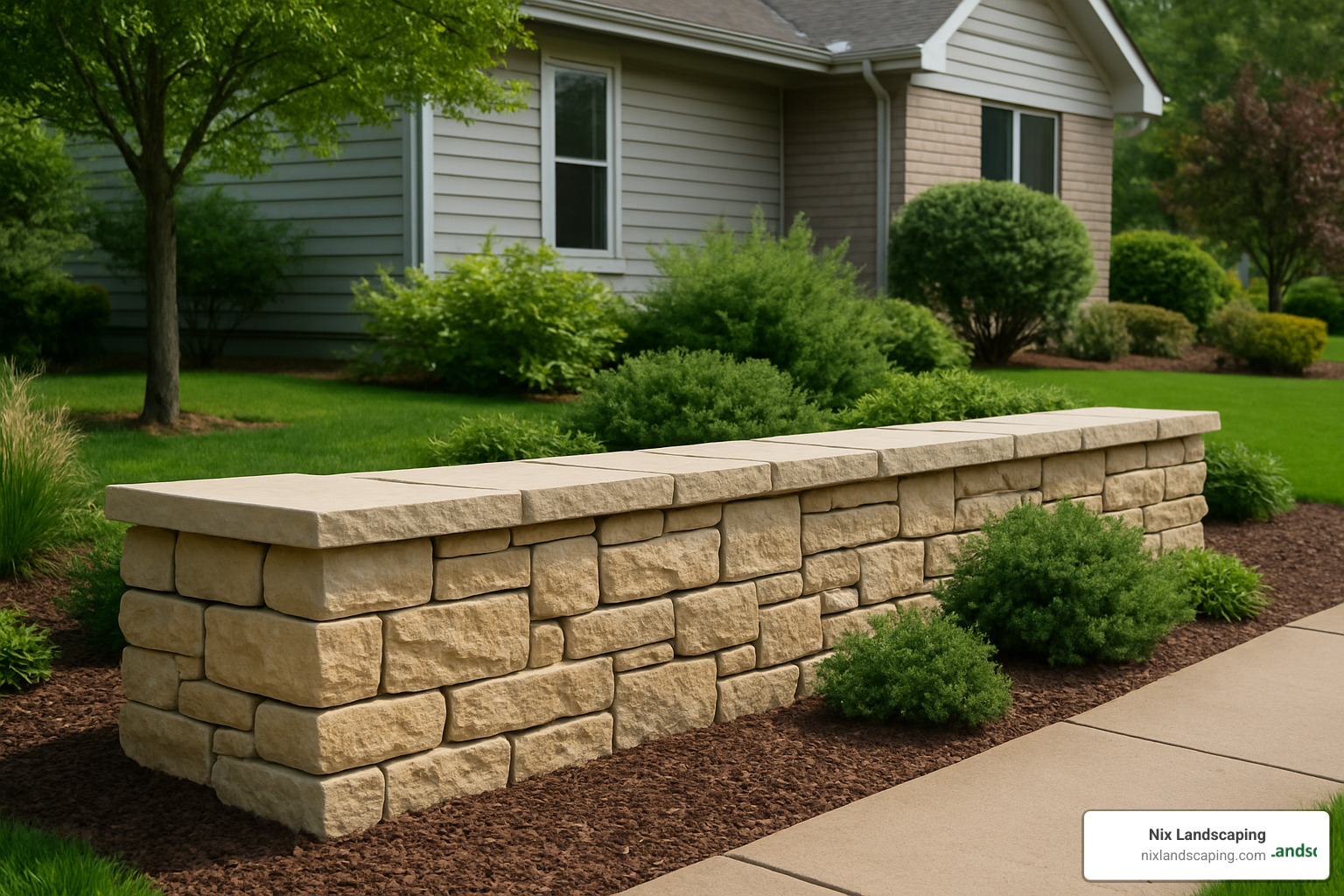
In my years working with Indiana homes, I’ve found that locally sourced limestone and sandstone handle our seasonal changes better than imported stones. Plus, there’s something special about using materials native to our region.
Timber & Steel Finishes
For homeowners looking for something different, timber and steel offer distinctive options that can make your landscape stand out.
Pressure-treated timber works wonderfully for creating a rustic feel, especially in wooded settings. With proper installation and treatment, these walls typically last 15-20 years. I recommend marine-grade preservatives for extra protection during our humid Indiana summers.
For an eco-friendly option with character, recycled railway sleepers bring history and charm to your garden. They’re perfect for cottage gardens or casual landscapes, and I love that they give new life to materials that might otherwise go to waste.
In recent years, I’ve installed more Corten steel walls than ever before. Also called weathering steel, Corten develops that gorgeous rust-colored patina over time that actually protects the metal. It’s perfect for modern landscapes where you want a bold, architectural statement.
Once your Corten steel develops the perfect patina, we can apply rust sealants to prevent the rust from transferring to adjacent surfaces while preserving that beautiful color.
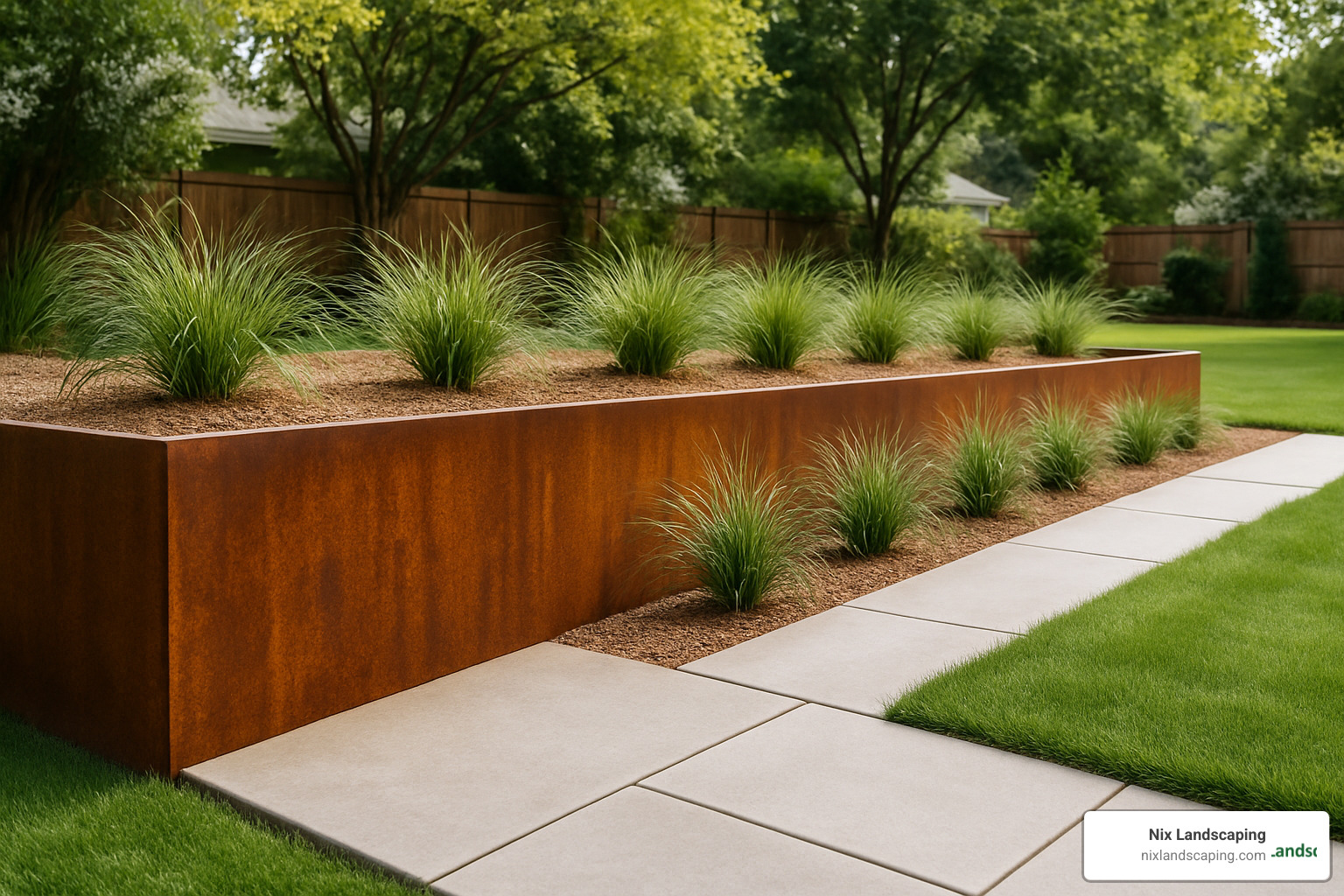
I’ve noticed that steel finishes, particularly Corten, have really caught on in Fishers over the past few years as more homeowners accept contemporary design elements in their outdoor spaces.
Gabion & Living Walls
For those who want retaining wall finishing options that blend structure with nature, gabion and living walls offer creative solutions that I’m excited to see gaining popularity.
Wire mesh baskets form the foundation of gabion walls. These steel cages can be filled with various materials – from uniform stone for a formal look to mixed river rock for something more natural. What’s great about gabion walls is their excellent drainage and quick installation – we can build them up to 30% faster than traditional masonry walls.
The magic happens when we incorporate green facings by creating soil pockets in the wall face. Over time, plants establish and cascade down, softening the structure. For easier maintenance, planter pockets built into the top or within the wall itself give you accessible spots for herbs or seasonal flowers.
I always encourage my Indiana clients to choose native plants for living walls. They’re adapted to our specific climate conditions and typically require less maintenance once established. Plus, they support our local ecosystem.
Gabion and living walls create a beautiful bridge between hardscape and landscape elements, perfect for properties where you want to blend structure with nature. More info about best plants
Creative Improvements & Modern Trends
When homeowners ask me about retaining wall finishing options?, I always get excited to share how today’s walls can go beyond basic function to become true landscape features. Gone are the days when retaining walls were just utilitarian structures!
The most eye-catching retaining walls now incorporate distinctive wall caps that make a bold statement. These caps often use contrasting colors or materials to create a visual exclamation point on your wall design. For families with children or those who love outdoor entertaining, bullnose edging provides a softer, rounded profile that’s both safer and more inviting when people inevitably use your wall as impromptu seating.
One of my favorite trends we’re implementing for Fishers homeowners is integrated lighting. Recessed LED fixtures tucked under capstones or within the wall face create magical evening ambiance while improving safety around steps and level changes. The solar options have become remarkably reliable in recent years, even with Indiana’s variable sunshine.
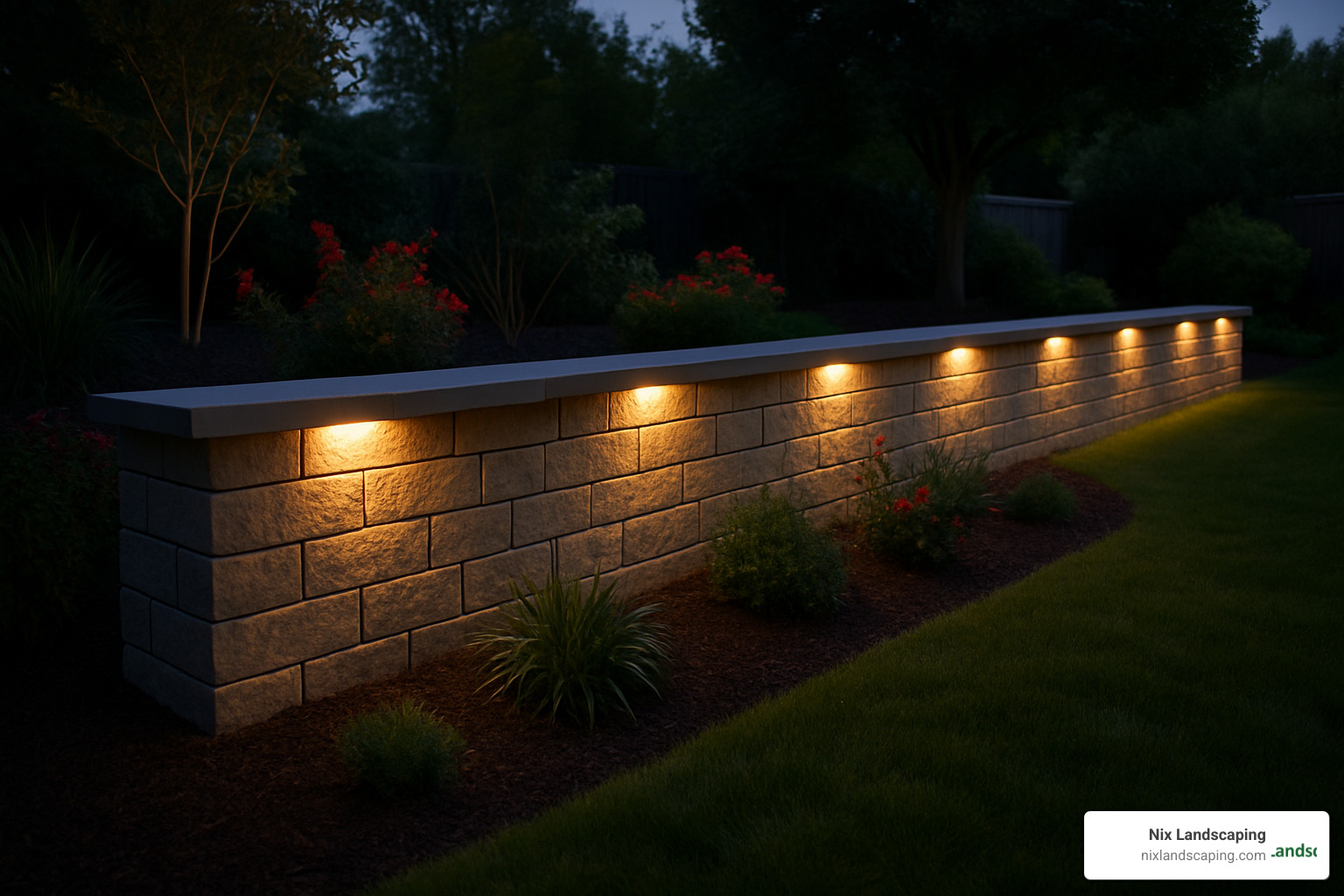
Built-in seating has become incredibly popular, especially for properties with limited space. By widening portions of your wall or adding seat-depth caps, your retaining wall pulls double-duty as a patio seating area. Pair this with incorporated steps that flow naturally with your landscape, and suddenly your wall becomes part of the journey through your outdoor space rather than just a boundary.
For the artistically inclined, walls can become canvases for expression. We’ve helped clients incorporate everything from simple mosaic accents to custom murals that reflect their personalities. Mixed material finishes also allow for creative expression – imagine a primarily concrete block wall with natural stone accents strategically placed to draw the eye or complement your home’s architecture.
Sustainability is no longer just a buzzword in landscaping. Our clients increasingly request retaining wall finishing options? that include recycled content blocks, locally-sourced natural materials (which reduce transportation impacts and support Indiana businesses), and permeable designs that help with water management. Many Fishers homeowners are even integrating their retaining walls with rain gardens for better stormwater control, which is particularly valuable in developments with drainage challenges.
What’s really taken off in central Indiana is the blending of hardscape and softscape elements – walls that incorporate both structural elements and living components. These hybrid designs solve grading challenges while creating habitat value with native plantings. The EPA’s research on sustainability confirms that these integrated approaches provide multiple environmental benefits beyond just erosion control.
The most successful wall projects we complete don’t look like afterthoughts – they appear as if they were always meant to be part of the landscape design. Whether you prefer sleek modern lines or rustic natural materials, today’s retaining wall finishing options? can be custom to create exactly the impression you want for your outdoor space.
Prep, Application & Long-Term Care
Getting your retaining wall finishing options? right isn’t just about picking pretty materials—it’s about proper installation and care that keeps your wall looking great for decades. At Nix Landscaping, we’ve seen beautiful walls fail prematurely because someone skipped these crucial steps.
Surface Preparation
Before applying any finish to your retaining wall, we always start with a clean slate. Think of it like painting your house—you wouldn’t slap new paint over dirt and peeling old paint, right? We thoroughly clean existing walls with pressure washing to remove dirt, algae, and anything else that might prevent good adhesion.
Cracks aren’t just unsightly—they’re warning signs. We repair any structural issues using specialized masonry epoxies for concrete walls or proper mortar for stone walls. Skipping this step is like putting a bandaid on a broken arm—it might look covered up, but the problem keeps getting worse underneath.
For many finishes, especially painted or stained ones, we apply specific primers to ensure proper bonding. This extra step might seem tedious, but it’s the difference between a finish that lasts 5 years versus 15 years in our Indiana climate.
Application Techniques
Ever seen a beautiful wall where the capstones started shifting after just one winter? That’s usually because someone used the wrong adhesive. We only use high-grade, waterproof flexible masonry adhesives specifically designed to handle our freeze-thaw cycles. The few extra dollars spent on quality adhesive saves thousands in repairs later.
Those clean, precise cuts you see on professionally finished walls don’t happen by accident. We use wet masonry saws for precision cuts, especially important when working with curved walls or creating custom patterns. It’s like the difference between cutting hair with scissors versus a lawnmower—the right tool makes all the difference.
The most beautiful wall finish in the world won’t matter if water builds up behind your wall and pushes it over. Drainage is non-negotiable in our book. We install proper drainage pipe and aggregate behind every wall we build to prevent water pressure buildup. More info about drainage
Long-Term Maintenance
Even the best retaining walls need some TLC to stay looking their best. UV-resistant sealers are like sunscreen for your wall—they protect against sun damage and water penetration. In our Indiana climate, we recommend reapplication every 3-5 years, ideally in fall before winter sets in.
Our Midwest winters can be brutal on masonry. That’s why we ensure all capstones have a slight slope—usually about 5 degrees is perfect. This prevents water from pooling on top and then freezing, which can crack even the sturdiest materials.
I always tell my Fishers clients to do a quick wall check each spring when they’re starting their garden work. Look for any new cracks, shifting sections, or drainage issues. Catching these early can save you from major repairs down the road. It’s like going to the dentist—a little prevention beats major surgery later!
Different finishes require different maintenance approaches. Natural stone might need occasional repointing of mortar joints, while timber walls benefit from a fresh coat of preservative every few years. When we install your wall, we’ll provide specific care instructions custom to your chosen finish.
Frequently Asked Questions about Retaining Wall Finishing Options?
What finish lasts longest in harsh Midwest winters?
If you’ve spent even one winter in central Indiana, you know how brutal our freeze-thaw cycles can be on outdoor structures. After installing hundreds of retaining walls throughout Fishers and surrounding areas, I’ve seen that natural stone finishes with proper capstones and drainage consistently outlast other options in our Midwest climate. These walls often serve families for 50-100 years when properly installed.
Concrete block walls with quality capstones are also excellent performers, typically giving homeowners 30+ years of service when installed correctly. The secret to longevity in our Indiana winters isn’t just about the material, though—it’s about the installation details that many contractors overlook.
Your wall needs proper drainage behind it (this is non-negotiable), quality capstones with enough overhang to direct water away from the face, a slight forward lean in the design, and footings that extend below our frost line. I’ve seen beautiful walls fail in just 5-10 years because someone skimped on drainage, regardless of how premium the finish was.
How do I DIY a finish without sacrificing strength?
Many of our Fishers clients are handy homeowners who want to tackle smaller retaining wall projects themselves. If that’s you, I’d recommend starting with the right equipment—invest in or rent a quality masonry saw for those clean, professional-looking cuts, especially for capstones.
Safety should be your priority—always wear eye protection, gloves, and a dust mask when cutting any stone or concrete materials. Your lungs will thank you later!
Don’t cut corners on adhesives. The products you’ll find at big box stores often aren’t designed for our Indiana weather extremes. Look specifically for professional-grade masonry adhesives rated for outdoor freeze-thaw conditions.
For DIY-friendly projects, interlocking block systems with matching capstones are your best friend. They’re designed to be assembled without mortar while maintaining structural integrity, and can reduce your labor time by about 30% compared to traditional methods.
Whatever you do, please don’t skip the drainage components. Even for walls under 3 feet tall, proper drainage aggregate and pipe systems make the difference between a wall that lasts decades and one that fails after the first harsh winter. More info about building
Are eco-friendly finishes more expensive?
This is one of those “it depends” answers that clients don’t always love to hear, but it’s honest. While some sustainable options might have higher upfront costs, they often provide better value over time.
Recycled materials like reclaimed brick, stone, or timber can actually cost less than new materials while adding unique character that new products can’t match. There’s something special about incorporating materials with history into your landscape.
When we look at the total life-cycle cost, more durable finishes like natural stone might cost more initially but require far less maintenance and essentially no replacement costs over decades of service. The cheapest option today isn’t always the most affordable in the long run.
Living walls with native plants have become increasingly popular around Fishers, and while they require some initial establishment care, they typically need less ongoing maintenance than highly manicured options once established. Plus, they provide habitat value that traditional walls simply can’t offer.
In my experience working with Indiana landscapes, gabion walls using locally-sourced stone hit that sweet spot of environmental friendliness, reasonable cost, and excellent durability. They drain beautifully (crucial for our climate), install quickly, and age gracefully with minimal maintenance needs.

Conclusion
When it comes to retaining wall finishing options?, choosing the right finish isn’t just about aesthetics—it’s about protecting your investment, boosting your property value, and creating a landscape feature that will stand the test of time with minimal maintenance.
For our Fishers neighbors and clients throughout central Indiana, I’ve seen how the right wall finish can transform an ordinary yard into something extraordinary. After installing hundreds of retaining walls in our area, I’ve learned that success comes down to a few key principles.
First, always respect our local climate. Indiana’s freeze-thaw cycles can be brutal on masonry and concrete, so selecting materials that can handle these temperature swings is crucial. Natural stone and quality concrete blocks with proper capstones have consistently outperformed other options in our region.
Budget considerations are important, but I encourage homeowners to think long-term. That premium finish might seem expensive today, but when it’s still looking beautiful 20 years from now while a cheaper option would have needed replacement, the math becomes clear. The most expensive wall is always the one you have to build twice!
Your retaining wall should feel like it belongs in your landscape. We take time to ensure the finish complements your home’s architectural style and works with existing hardscape elements. A beautiful wall that looks out of place rarely satisfies in the long run.
Even the most durable finishes benefit from some regular attention. A simple annual inspection in spring can catch minor issues before they become major problems. Most walls need sealer refreshed every few years, and planted walls need occasional pruning and weeding.
Perhaps most importantly—and I can’t stress this enough—never compromise on drainage. In my years of repairing failed walls built by others, inadequate drainage is the culprit in about 80% of cases, regardless of how beautiful the finish was initially.
At Nix Landscaping, we understand Indiana soil conditions, weather challenges, and how different materials perform over time in our specific environment. This local knowledge allows us to recommend the perfect retaining wall finishing options? for your unique situation and ensure proper installation techniques.
Our portfolio showcases projects throughout Fishers and surrounding communities where you can see how different finishes weather and age in our Indiana climate. Some of our earliest walls are now over a decade old and still looking fantastic—the ultimate test of quality design and installation.
Whether you’re dreaming of a simple, functional wall to manage a slope or envisioning a dramatic multi-tiered landscape feature with integrated lighting and seating, the right finish makes all the difference between ordinary and extraordinary.
Ready to transform your landscape with a beautifully finished retaining wall that will look great for years to come? Let’s talk about your project. More info about retaining wall services

