
The Dual Purpose of Retaining Walls with Seating Areas
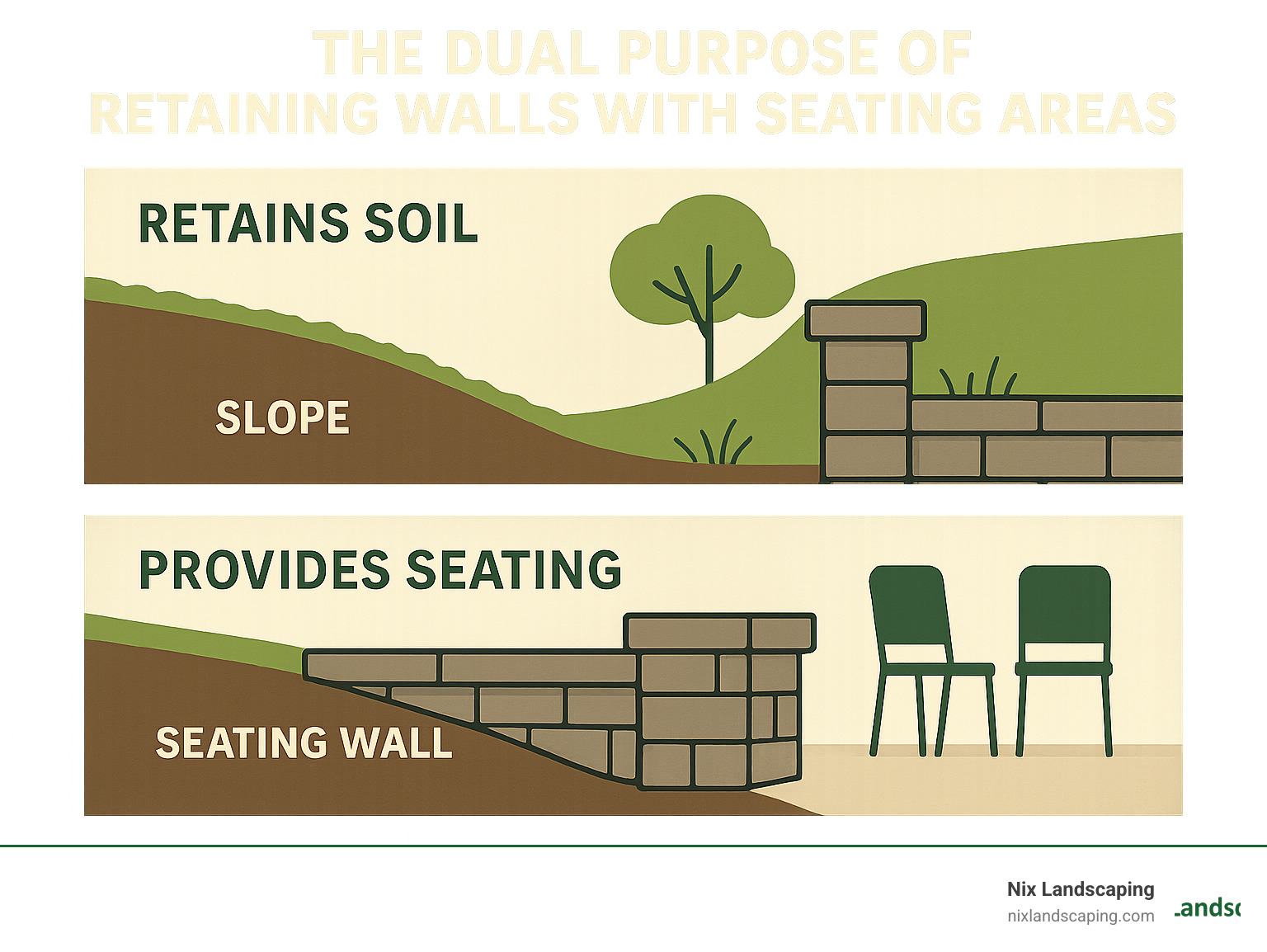
Are you wondering, what is a retaining wall with seating area? These innovative structures are gaining popularity for good reason. They are practical landscape features that double as comfortable seating.
Here’s what a retaining wall with seating area typically involves:
- Structural Purpose: A wall built to hold back soil on a sloped landscape, preventing erosion and creating level, usable spaces.
- Integrated Seating: A built-in bench, ledge, or cap designed for people to sit on comfortably.
- Dual Functionality: It combines the need for earth retention with the desire for permanent, attractive outdoor seating.
“Putting up walls can be a good thing,” says Joe Raboine, director of Belgard Residential Hardscapes. This sentiment perfectly captures the essence of these dual-purpose designs. They transform otherwise unused or challenging sloped areas into inviting zones for relaxation and entertainment.
As the owner of Nix Landscaping, I’ve helped countless homeowners transform their outdoor spaces with functional designs like a retaining wall with seating area?. My expertise lies in crafting high-quality hardscapes that combine beauty with practicality, just like these versatile structures.
Key Retaining wall with seating area? vocabulary:
Why Combine a Retaining Wall with a Seating Area?
At Nix Landscaping, we believe the secret to a great outdoor space is smart, multi-functional design. Combining a retaining wall with a seating area is a clever move for any backyard, especially for our clients in Fishers, IN, with sloped or underused areas. These retaining wall with seating area? structures are space-efficient, create seamless aesthetics, are cost-effective, offer amazing durability, provide year-round seating, and increase property value. It’s no surprise that built-in seating is a top trend in outdoor living, according to the American Society of Landscape Architects. A well-designed seating wall is a permanent, beautiful, and practical addition to your home.
The Benefit of Functional Versatility
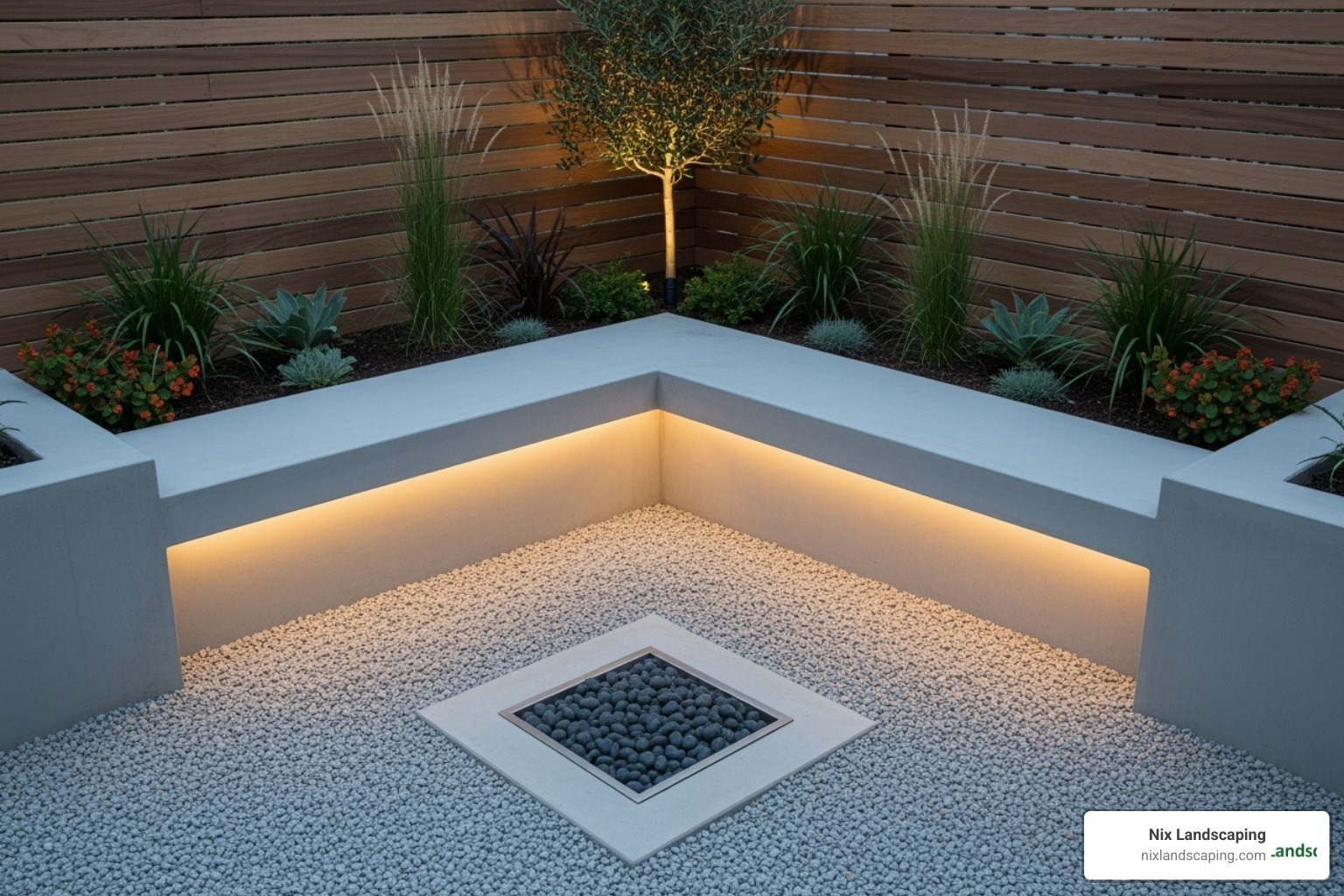
A retaining wall with seating area? does more than just hold back soil. These versatile walls can:
- Define outdoor rooms: They carve out cozy spots for dining or relaxing without bulky furniture.
- Add seating without clutter: Keep your patio looking neat and organized.
- Double as a safety barrier: A seat wall can secure a raised patio, often meeting building codes for railings while keeping the view open.
- Create informal gathering spots: They offer a natural place for spontaneous chats or quiet moments in the garden.
A Seamless and Permanent Design Element
A retaining wall with seating area? blends effortlessly into your landscape, creating a polished, unified look that boosts curb appeal. Unlike patio furniture, this built-in seating is a natural part of your hardscape. It’s wonderfully low-maintenance—no more hauling cushions inside during rain or replacing worn-out chairs. This permanent and durable solution stands strong against the elements, enhancing your Hardscape design for decades.
Ready to explore how we can lift your outdoor living space? Take a peek at our insights on More info about Outdoor Living Space Design.
Inspiring Design Ideas for Your Seating Wall
Let’s explore creative ways to use a retaining wall with seating area? in your outdoor space. We’ve helped many homeowners in Fishers transform their yards with these versatile structures. Whether you have a small patio or a sprawling backyard, there’s a seating wall design that will complement your space and lifestyle.
Around the Fire Pit
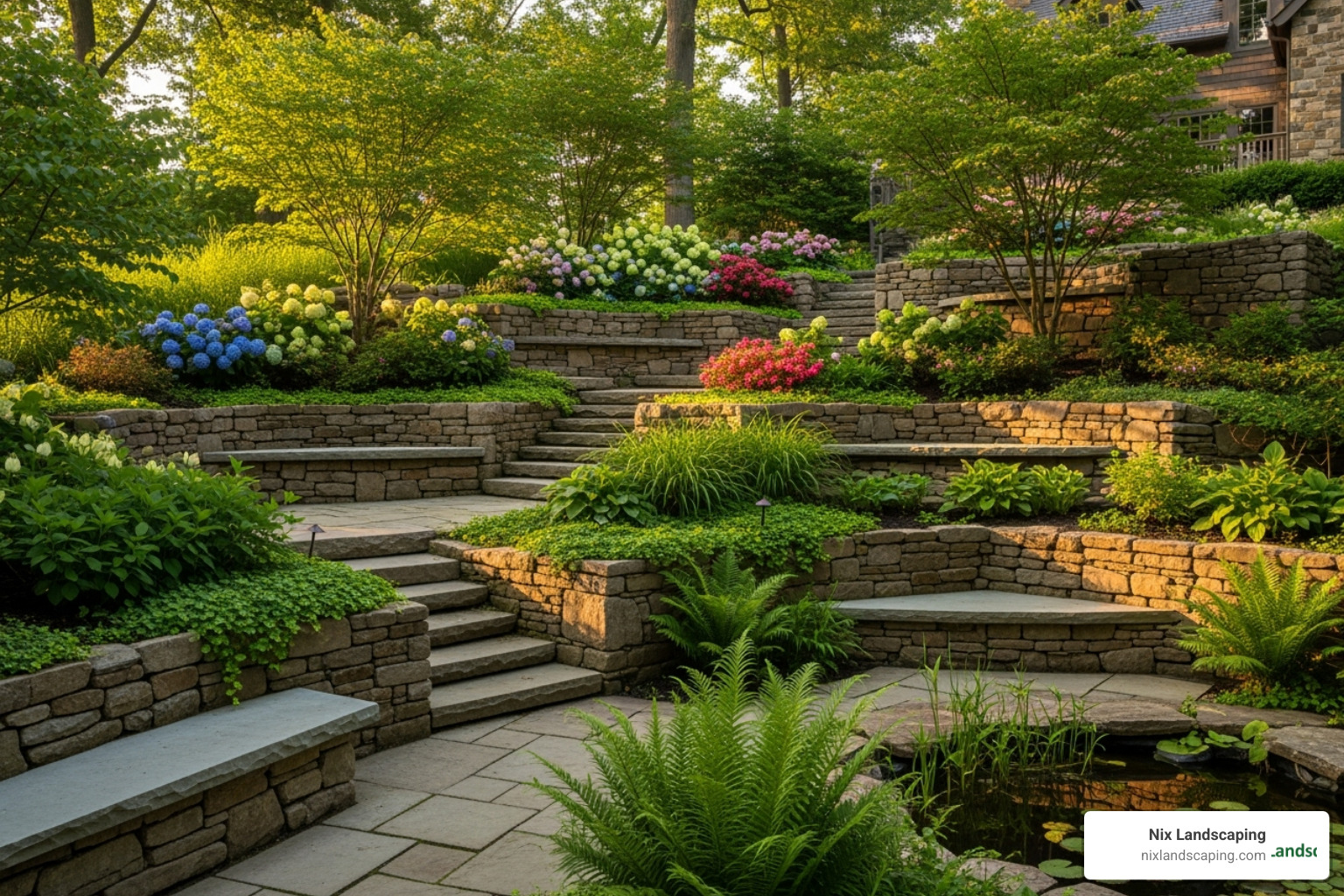
A retaining wall with seating area? makes gathering around a fire pit even more special. Curved walls encourage conversation, while L-shaped walls work well with rectangular fire features. The stone or concrete mass reflects heat, making chilly evenings more comfortable, and you’ll never run out of seating for guests. Here a retaining wall doubles as seating with a backrest. This design creates the perfect social atmosphere for sharing stories under the stars.
For more ideas on creating the perfect outdoor gathering space, check out our More info about Custom Patios.
Along the Patio or Deck
Using a seating wall to frame your patio space is a smart design move. It defines the perimeter while keeping the center open, making even small patios feel larger. For a raised deck or patio, a seating wall is an attractive alternative to traditional railings, meeting safety requirements while providing seating. It helps maximize your usable area and gives guests a convenient place to perch.
Learn more about incorporating seating walls into your patio design at our More info about Patio Landscape Design page.
Terraced Garden Walls
Turn challenging slopes into stunning features with terraced seating walls. These walls leverage existing slopes to create multiple levels, each with its own purpose. You can build multi-level seating for different views and incorporate planters for vertical gardens, adding color and softening the hardscape. This will create a cascading effect that adds movement to the overall design, turning an unusable slope into a beautiful focal point.
Poolside Perches
A retaining wall with seating area? around a pool serves multiple purposes. It helps soften the pool edges for a more natural transition to the landscape. Unlike furniture, this built-in seating is durable and permanent. These walls also make pool areas safer and more inviting by defining edges and providing comfortable spots to sit without taking up deck space. As landscape professionals note, A sitting wall can help create a softer edge around a pool, making the entire area feel more integrated and welcoming.
Key Design & Material Considerations for a Retaining wall with seating area?
When designing a retaining wall with seating area?, the details make a big difference in comfort and longevity. Getting these key points right ensures you’ll love your new space for years to come.
Essential Dimensions for a Comfortable Retaining wall with seating area?
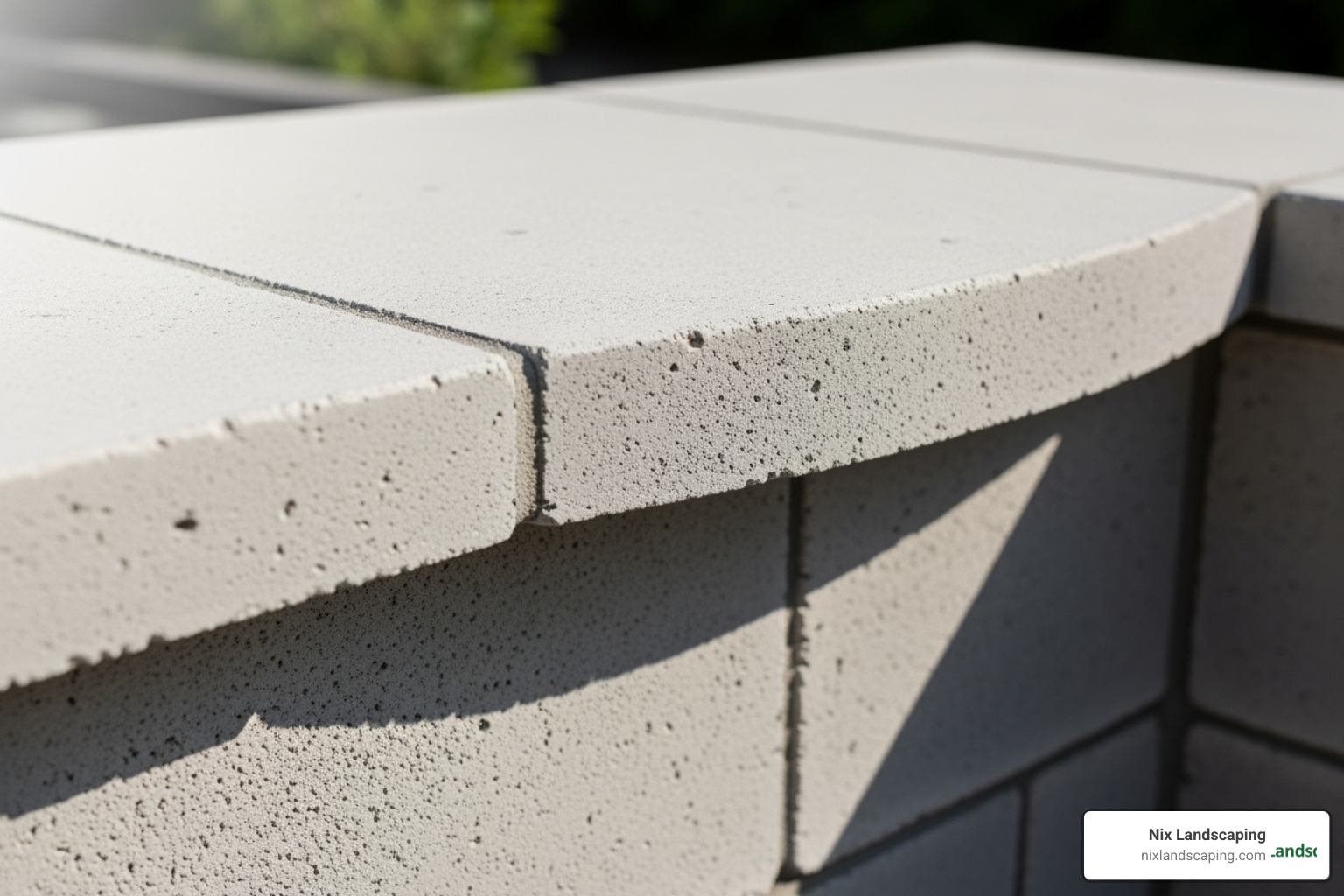
For comfortable and useful seating, we follow key measurements:
- Seat Height: We aim for 18 inches. This standard height allows most adults to sit comfortably with their feet flat on the ground.
- Seat Depth: The top of the wall should be at least 12 inches wide to provide adequate support.
- Cap Thickness: The cap should be at least 2 inches thick for a solid feel.
- Cap Overhang: An overhang of 1.5 to 2 inches on each side helps direct rainwater away from the wall face and gives a finished look.
For the cap material, we avoid rough or bumpy surfaces like certain flagstones or sandy mortar joints that can be uncomfortable or snag clothing. Comfort and safety are paramount.
Choosing the Right Shape and Materials
The shape of your retaining wall with seating area? should match your outdoor space’s style. Straight walls offer a clean, modern look, while curved walls create a softer, more inviting feel, especially around a fire pit. As one expert points out, “The shape of your sitting wall should also be taken into consideration.”
When it comes to materials, each has its own look, feel, and maintenance needs. Here’s a comparison of popular options:
| Material | Cost | Durability | Style | Maintenance |
|---|---|---|---|---|
| Concrete Pavers | Moderate | High | Super versatile, from modern to classic | Easy to care for; just clean now and then. You can seal them to keep their color bright. |
| Natural Stone | High | Very High | Timeless, rustic, neat, or modern | Very low care; just clean now and then. This stuff is tough, often stronger than brick! |
| Wood | Low | Moderate (short) | Warm, natural, rustic, or sleek modern | High maintenance! You’ll need to seal or stain it often. It can rot, warp, or get bug damage, especially if not treated. But good treatment can make it last longer. |
| Gabion Walls | Low-Moderate | High | Industrial, modern, rustic, unique | Low care; just clear out any debris. They’re made from wire cages filled with rocks, which makes them pretty affordable and easy to shape, even into curves. Great for DIY! |
Other popular materials include:
- Brick offers classic charm and is a mid-range cost option between stone and concrete.
- Concrete Blocks are often the most budget-friendly choice, providing a strong, lasting base for a clean, modern look.
- Stucco can be applied over a block base for a smooth, poured-concrete appearance, ideal for modern designs.
Want to dive deeper into material choices? Head over to our page for More info about Retaining Wall Ideas for Backyard.
Building Your Seating Wall: DIY vs. Hiring a Professional
Building a retaining wall with seating area? is an exciting project, but it requires serious consideration about whether to tackle it yourself or hire a professional. These structures must handle significant forces from soil and water, and their structural integrity is critical. Add in local building codes and the need for comfortable seating, and you have a project that often demands expertise.
The Basic Construction Process
Understanding the construction process is helpful whether you DIY or hire a pro. It begins with thorough site preparation, including marking out the exact dimensions. A foundation trench is dug 4-6 inches deep and filled with concrete to create a solid base. A gravel base is added on top for drainage and stability. Next, the courses are built using your chosen material, ensuring each piece is level and secure. Backfill and drainage are critical; gravel is placed behind the wall, and drainpipes or weep holes are installed to prevent water buildup. Finally, the cap installation completes the project, ensuring the seating surface is level, secure, and has the proper overhang.
For more detailed construction insights, check out our More info about How to Build Retaining Walls.
When to Call a Professional
Most retaining wall with seating area? projects benefit from professional installation, as DIY errors can be costly to fix. Consider hiring a pro for:
- Walls over 3 feet high: Walls over three feet high may need frost footings, reinforcement, and drainage systems that require engineering knowledge, like rebar and geogrid.
- Significant slopes: Steep or unstable ground requires expertise in soil conditions and grading to prevent shifting or failure.
- Poor soil conditions: Expansive clays need specific solutions to prevent movement that could compromise the wall.
- Permit requirements: In Fishers, IN, certain walls need official approval. A professional can handle the paperwork.
Professional installation ensures longevity and increases your property value. While simple projects can be DIY-friendly, the complexity of most seating walls makes professional expertise a wise investment for long-term performance.
Frequently Asked Questions about Retaining Wall Seating
We get a lot of great questions about adding seating to an outdoor space using a retaining wall. Here are some of the most common questions we hear, along with our expert answers.
How much does a retaining wall with a seating area cost?
The cost of a retaining wall with seating area? varies based on several factors:
- Materials: Natural stone is typically the most expensive, while options like concrete blocks, wood timbers, or gabion walls are more budget-friendly.
- Size and Complexity: A long, tall, or curved wall will cost more than a simple, straight one due to increased labor and materials.
- Labor Costs: Professional installation is an investment in quality and longevity. Costs vary by location and site complexity.
- Site Accessibility: Difficult-to-access yards can increase labor costs.
- Foundation and Drainage: Proper footings and drainage are essential for a durable wall and are part of the overall investment.
For a detailed estimate for your home in Fishers, IN, we recommend a professional consultation. For more information on budgeting, visit our More info about Cost of Retaining Wall Installation.
How do you maintain a seating wall?
The great news is that a retaining wall with seating area? is surprisingly low-maintenance. To keep it in top shape:
- Regular Cleaning: Brush or wash the seating surface to remove dirt and leaves.
- Debris Removal: Keep the area behind the wall clear to ensure proper drainage.
- Check for Cracks: Periodically inspect for cracks or bulging. Small cracks can be repaired, but larger issues may require professional assessment.
- Reseal the Surface: For stone or concrete, applying a water-resistant sealer every few years protects against moisture and staining.
- Maintain Drainage: Ensure weep holes or other drainage systems remain clear and functional.
With minimal care, a well-built sitting wall will provide enjoyment for years.
What is the best material for a Retaining wall with seating area?
There isn’t one single “best” material for a retaining wall with seating area?. The ideal choice depends on your budget, desired style, and maintenance preference. Each option offers unique benefits:
- Concrete Pavers: Versatile, durable, and available in many styles.
- Natural Stone: Timeless, highly durable, and offers a premium look.
- Wood: Provides a warm, natural feel but requires more maintenance.
- Gabion Walls: A unique, modern, and affordable option with excellent drainage.
- Brick: Offers classic charm and durability.
- Concrete Blocks (with or without Stucco): A budget-friendly and strong option, perfect for modern designs.
The best material is the one that fits your vision, budget, and landscape. At Nix Landscaping, we can help you select the perfect fit for your project.
Conclusion: Transform Your Landscape with Functional Seating
A retaining wall with seating area? is a smart investment in your home and lifestyle, combining functionality with beauty. It transforms sloped areas into inviting, usable spaces, boosting property value and creating seamless outdoor “rooms.” This durable, low-maintenance seating can be enjoyed year-round, whether it’s framing a fire pit, patio, garden, or pool. With thoughtful design and the right materials, a seating wall will improve your outdoor living for years to come.
Here at Nix Landscaping, we help homeowners in Fishers, IN, bring these solutions to life. Our team specializes in personalized design and meticulous installation, crafting stunning, functional spaces that fit your vision and needs.
Ready to transform your yard? Explore our custom Retaining Walls services to get started.

