
Why Spring Yard Cleanup Sets Your Property Up for Success
Spring yard cleanup is your yard’s fresh start after months of winter dormancy. Just as your home needs spring cleaning after being shuttered up all winter, your outdoor space needs attention to prepare for the growing season ahead.
Essential Spring Yard Cleanup Tasks:
- Remove debris – Clear fallen branches, leaves, and winter accumulation
- Prepare your lawn – Rake, aerate, and overseed bare spots
- Clean garden beds – Remove dead foliage and redefine edges
- Prune strategically – Trim damaged branches and shape shrubs
- Apply fresh mulch – Suppress weeds and retain moisture
- Clean hardscapes – Power wash patios and inspect walkways
The key is timing. Wait until temperatures consistently exceed 50°F for several days to protect beneficial insects that overwinter in your yard debris. Starting too early can compact waterlogged soil and harm your lawn’s recovery.
A proper spring cleanup removes dead plants, prevents disease, and creates the foundation for a thriving landscape. It’s also your chance to spot winter damage before it becomes a bigger problem.
As Kyle Nix, owner of Nix Landscaping in Fishers, Indiana, I’ve guided countless homeowners through successful spring yard cleanup changes that set their properties up for a season of healthy growth and improved curb appeal. My hands-on experience has taught me that the right approach in spring makes all the difference for your yard’s health and beauty throughout the year.

Spring yard cleanup terms explained:
Timing is Everything: When to Start Your Spring Cleanup
When the first warm days hit Fishers, it’s tempting to rush your spring yard cleanup, but starting too early can do more harm than good.
The magic number to remember is 50°F. Wait until temperatures stay above this mark for about seven straight days before you begin. Your soil needs time to recover from winter. It’s likely still thawing and waterlogged, and working on it causes soil compaction, squeezing air from root zones and hindering your lawn’s ability to breathe and absorb nutrients.
The 50°F rule also protects beneficial insects like native bees and ladybugs, which overwinter in fallen leaves and plant stems. Disturbing them too early can be devastating. When temperatures consistently hit 50°F, these insects emerge to help your garden thrive by pollinating plants and eating pests.
Temperature cues are more reliable than calendar dates. While our Fishers frost dates offer a guideline, every spring is different. Trust the thermometer. Patience is an investment. Waiting a few extra weeks means healthier soil, thriving insects, and a stronger foundation for the growing season.
For more guidance on getting your timing just right, check out our Spring Yard Cleanup Tips.
The Ultimate Spring Yard Cleanup Checklist

A thorough spring yard cleanup moves from the ground up. Your yard has four main areas needing attention: your lawn, garden beds, trees and shrubs, and hardscapes. Let’s walk through each step.
Reviving Your Lawn for a Lush Season
Your lawn is the carpet of your outdoor space and needs TLC after winter.
Raking away debris is your first mission. Matted leaves and twigs can harbor fungal diseases like snow mold and suffocate grass. A thorough raking lets your lawn breathe.
Dethatching may be necessary if the spongy layer between grass and soil is over half an inch thick, as it blocks water and nutrients.
Core aeration is a game-changer for lawns with heavy foot traffic or compacted soil, creating pathways for air, water, and nutrients to reach the roots.
Overseed bare patches by adding topsoil and grass seed; keep them watered for thick growth that crowds out weeds.
For the first mow of the season, set your mower high (3 to 3.5 inches for Fishers’ cool-season grasses) and ensure your mower blades are sharp. Dull blades tear grass, making it vulnerable to disease.
For more insights custom to our local growing conditions, check out our Fishers Lawn Care services.
Prepping Garden Beds for Abundant Growth
Your garden beds need a spring awakening to bring color and texture to your landscape.
Clearing away dead foliage and spent perennial stems makes way for new growth. Be gentle, as new shoots may be emerging.
Weeding is easier in spring when roots are shallow. Removing them now prevents them from multiplying later.
Redefining bed edges with a sharp spade creates a polished, professional look.
Soil testing reveals your soil’s pH and nutrient levels, helping you provide what your plants need. Kits are available at garden centers.
Adding compost improves soil structure, retains moisture, and feeds plants. Work it gently into the top few inches of soil.
For ongoing garden care throughout the season, explore our Garden Maintenance Tips.
Pruning Trees and Shrubs for Health and Beauty
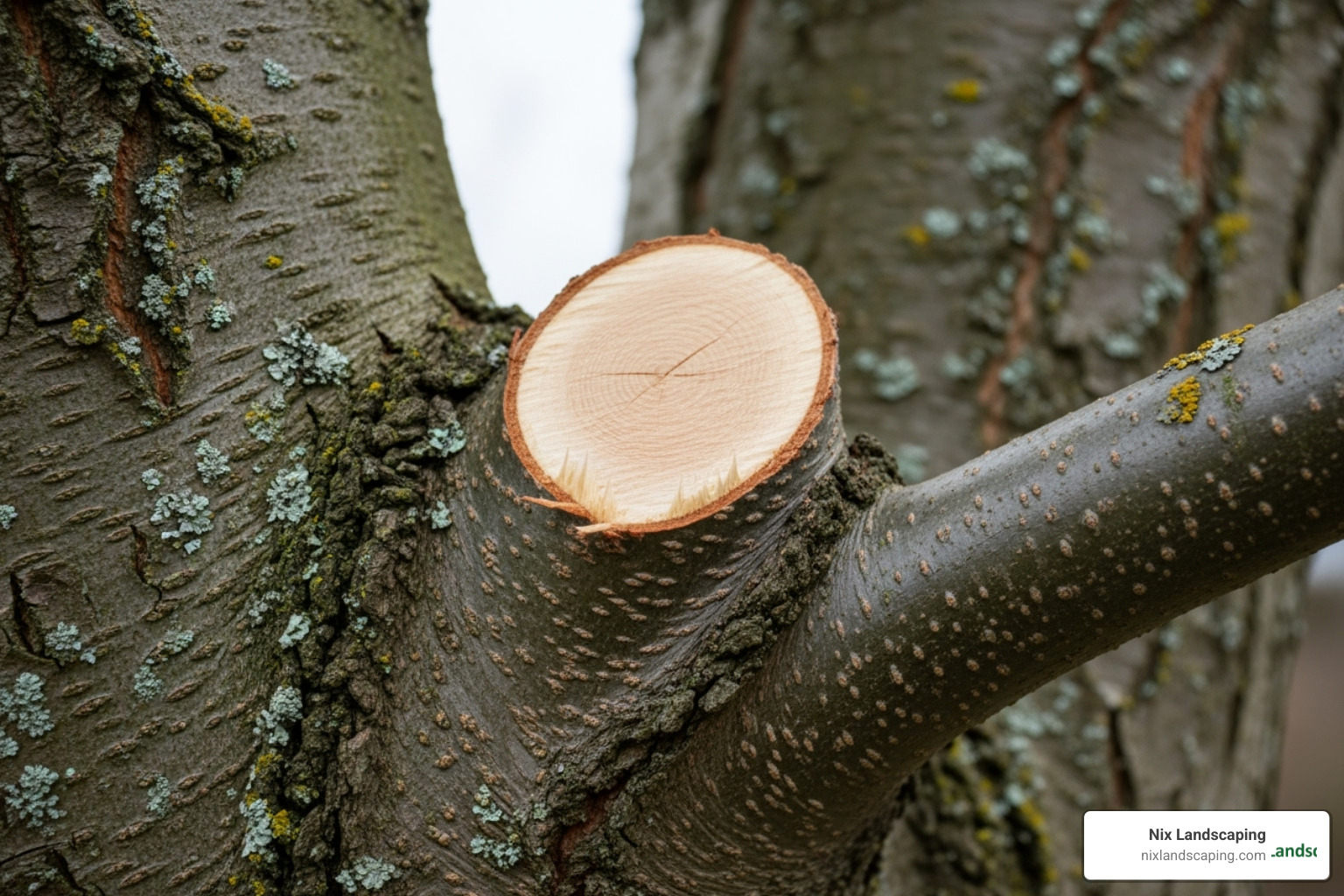
Proper pruning keeps plants healthy and shapely. Start by removing any dead or damaged branches from winter storms. Make clean cuts just outside the branch collar to help the plant heal and prevent disease.
Timing is critical. For spring-flowering shrubs like forsythia and lilacs, wait to prune until after they bloom to avoid cutting off this year’s flowers.
Summer-flowering shrubs like butterfly bush bloom on new growth, so prune them in early spring to encourage more flowers.
When shaping hedges, use hand pruners to allow light and air into the plant’s interior, resulting in fuller, healthier growth.
For professional hedge trimming that keeps your shrubs healthy and beautiful, visit our Fishers IN Hedge Trimming page.
Finishing Touches: Mulch and Hardscapes
These final steps pull everything together.
Fresh mulch retains moisture, suppresses weeds, and provides a finished look. Apply a 2- to 4-inch layer, keeping it away from plant stems and tree trunks to prevent rot.
Power washing patios and walkways removes winter grime. Use a gentle setting to clean without causing damage and remove slippery algae or moss.
Inspect your fences and other wooden structures for winter damage. Making small repairs now prevents larger issues. Wait for consistent 50°F+ temperatures before staining or painting.
A well-maintained landscape includes beautiful hardscapes that complement your plantings. Learn more about our Patios and Paving services.
Gearing Up: Essential Tools and Eco-Friendly Strategies
Preparing for spring yard cleanup requires the right gear and a plan to work with nature, not against it.
Your Essential Spring Yard Cleanup Toolkit
Using the wrong tools is frustrating. Before you start, gather what you need. Your essential toolkit should include a spring-tine leaf rake, sturdy garden gloves, a wheelbarrow, bypass pruners, loppers, and a handsaw. You’ll also need a prepared lawn mower, a string trimmer, an edger, a shovel, a trowel, and a hose or pressure washer.
Tool maintenance is key: clean, sharpen, and lubricate tools before you start so they’ll work better and last longer. Consider battery-powered equipment as a quieter, emission-free alternative to gas tools that requires less maintenance.
An Insect-Friendly Approach to a Healthier Yard
That picture-perfect, completely cleaned-up yard might not be the healthiest. A truly thriving landscape supports the beneficial insects that make your garden work.
Delaying cleanup for pollinators is necessary, as many beneficial insects like native bees and butterflies overwinter in plant stems and leaf litter. Rushing to clean up evicts them too early.
Instead of clearing everything, leave some leaf litter in garden beds as habitat. If it’s smothering plants, move it to a compost pile.
When you cut back perennials, create habitat with plant stems by leaving 8-12 inch stubble. You can also bundle the cut stems and hang them on a fence for native bees.
Be mindful about mulching timing. Wait until the soil warms and dries out to avoid trapping emerging beneficial insects.
Avoiding pesticides is easier when you realize many “pests” are food for beneficial insects. If you must use pest control, choose targeted, eco-friendly options over broad-spectrum sprays.
This gentler approach to spring yard cleanup creates a healthier backyard ecosystem with stronger plants and fewer pest problems. For more insights on attracting these garden helpers, check out Learn how to attract beneficial bugs.
Pro Tips for a Flawless Finish
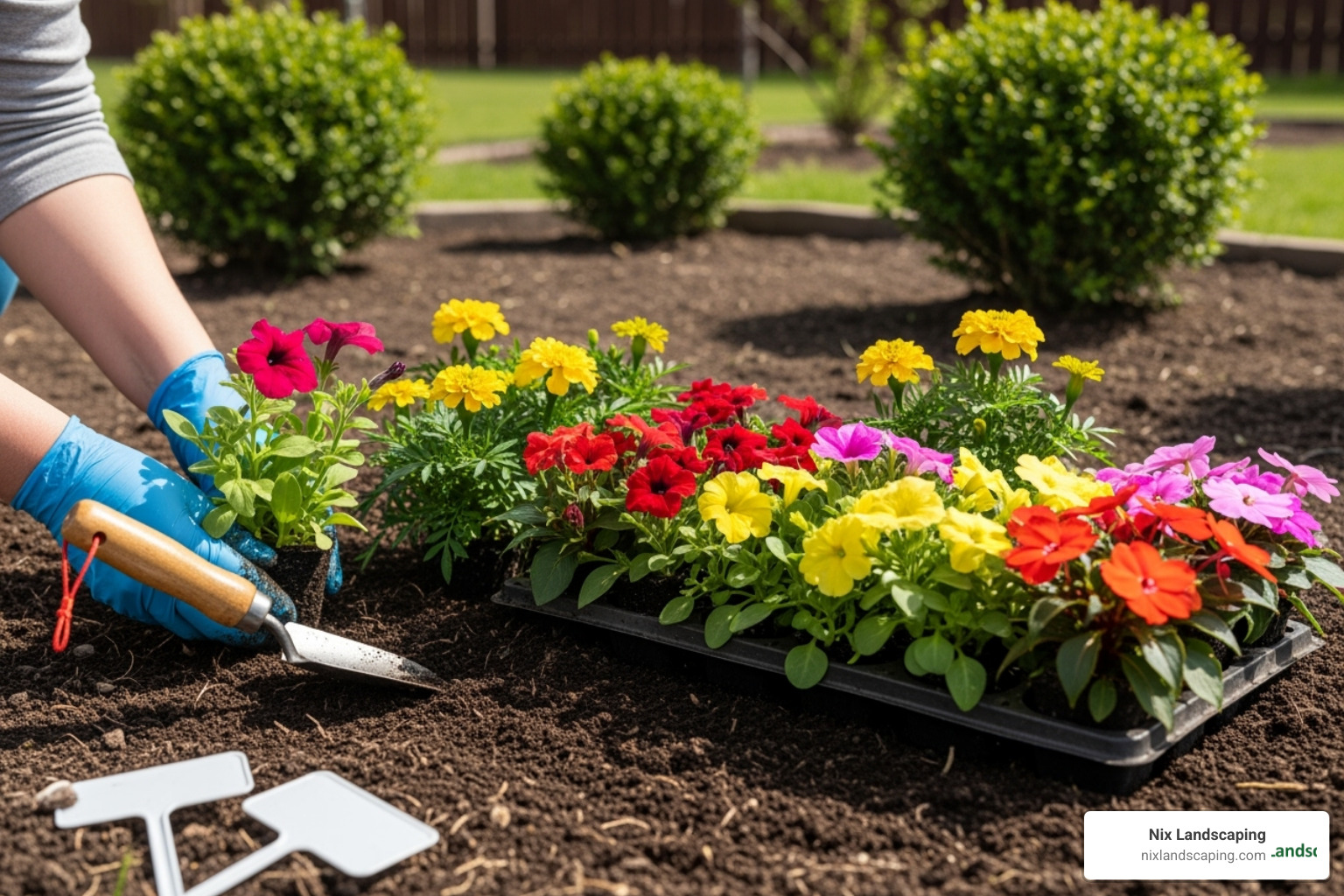
After the heavy lifting of your spring yard cleanup, these finishing touches will make your yard spectacular. These professional strategies prevent problems and add eye-catching details.
Smart Pest and Weed Control
Successful pest and weed management is about prevention. This approach, called Integrated Pest Management (IPM), uses smart timing and targeted strategies to keep your yard healthy without harsh chemicals.
Crabgrass prevention starts in spring. Apply pre-emergent herbicides when soil temperatures reach 55-60°F (typically March in our Fishers area) to stop seeds from sprouting. Missing this window means battling established weeds all season.
Before spraying, identify common pests to ensure they’re actually harmful. Simple changes, like removing standing water from planters or gutters, can solve many problems by eliminating breeding grounds for mosquitoes.
Adding Instant Color and Life
Add vibrant color to your landscape with plants that can handle unpredictable spring weather.
Cool-season annuals like pansies, violas, and snapdragons tolerate light frosts and provide gorgeous early color. Plant them as soon as the soil is workable.
Spring is also a great time for dividing perennials like hostas and daylilies that have become crowded. It’s an easy way to get new plants to fill bare spots.
Container gardening adds flexible color to patios and walkways. Mix annuals, perennials, and herbs for beautiful arrangements.
Planning for continuous bloom means selecting plants that flower at different times, ensuring color from spring through fall.
For inspiration on creating stunning outdoor spaces, explore our Front Yard Garden Ideas.
Common Spring Yard Cleanup Mistakes to Avoid
Avoiding these common spring yard cleanup mistakes saves time, money, and frustration.
- Starting too early: Working on wet soil causes compaction, and rushing harms beneficial insects.
- Scalping the lawn: Cutting grass too short stresses it and invites weeds. Mow high for the first few cuts.
- Pruning at the wrong time: Prune spring-blooming shrubs after they flower. Prune summer-bloomers in early spring.
- Forgetting to edge: Crisp lines between the lawn and beds create a professional look.
- Over-fertilizing: This can cause weak growth. A soil test tells you exactly what your yard needs.
Frequently Asked Questions about Spring Cleanup
After helping hundreds of homeowners in Fishers with their spring yard cleanup, I’ve noticed the same questions come up. Here are the answers to help you make the best decisions for your property.
When should I consider hiring a professional for spring cleanup?
While there’s satisfaction in DIY yard work, sometimes hiring a professional is the smart choice. Consider it if you’re facing:
- Time constraints: A thorough cleanup can take several weekends. An experienced crew can often complete it in a day or two.
- Physical limitations: Extensive raking, hauling, and lifting take a toll. Hiring a pro prevents sore backs and injuries.
- Lack of proper equipment: Tasks like core aeration or power washing require specialized tools that are expensive to rent.
- Large properties: Extensive lawns, garden beds, and trees can quickly become overwhelming.
- Tasks requiring professional expertise: Major tree pruning or dealing with significant winter damage benefits from a trained eye for safety and plant health.
- A desire for professional results: For that crisp, magazine-worthy look, a professional’s experience and attention to detail are hard to match.
What’s the fastest way to clean up yard debris?
Speed comes down to strategy. Work section by section rather than randomly, so you can see your progress. A leaf blower paired with a large tarp is a secret weapon; blow debris onto the tarp and drag it, which is much faster than raking and bagging. Have your tools ready before you start to maintain momentum, and compost yard waste to speed up disposal while creating valuable soil amendment.
Is it better to mulch or bag grass clippings in the spring?
Mulching wins almost every time. Those clippings are free fertilizer, returning nitrogen and other nutrients to the soil. This reduces your need for chemical fertilizers and helps retain moisture.
There are a few exceptions where bagging makes sense. If your lawn has weeds that have gone to seed, bagging prevents them from spreading. Also, if your grass has grown too long or is wet, bagging prevents the thick clumps from smothering the lawn.
The key is mowing regularly so clippings are small. When in doubt, mulch—your lawn will thank you.
Set Your Yard Up for Success This Season
There’s something deeply satisfying about admiring a freshly cleaned yard—that’s the magic of a proper spring yard cleanup. When you invest in thorough preparation, you’re creating the foundation for healthy growth all season. Every task gives your plants the best possible chance to thrive.
The improved curb appeal is immediate and dramatic. A well-maintained property with clean edges, fresh mulch, and a neat lawn glows with care and brings a sense of pride.
Most importantly, this work creates an enjoyable outdoor space that becomes a natural extension of your home. Your yard transforms from a chore into a sanctuary.
A thorough cleanup sets the stage for the entire year. Problems you address now won’t become bigger headaches in July, and plants that get a good start will reward you with months of beauty.
At Nix Landscaping, we’ve seen how the right spring approach makes all the difference. Our team is dedicated to personalized design and maintenance focused on your specific needs. Whether you tackle the work yourself or trust it to professionals, the investment you make this spring will pay dividends all season long.
Ready to take your outdoor space to the next level? Explore our comprehensive landscaping services and find how we can help you achieve the yard of your dreams this spring and beyond.

